
When a traumatic event occurs, the nervous system initiates a fight-flight or freeze response, with the goal to keep us safe and out of danger. This is a normal, innate survival reaction that is activated when we feel under threat or unsafe.

When trauma is intense or repeated, and the trauma cycle is not completed in the nervous system, our responses can become chronic, disrupting the body’s equilibrium and homeostatic baseline. The constant shock to the system not only mobilise the nervous system to take action, it also activates the neuroendocrine (hormonal) system and immune system. Over time this can lead to wear and tear on your body, lowering HRV levels and damaging your allostatic load (how easy you repair and recalibrate from stress response).
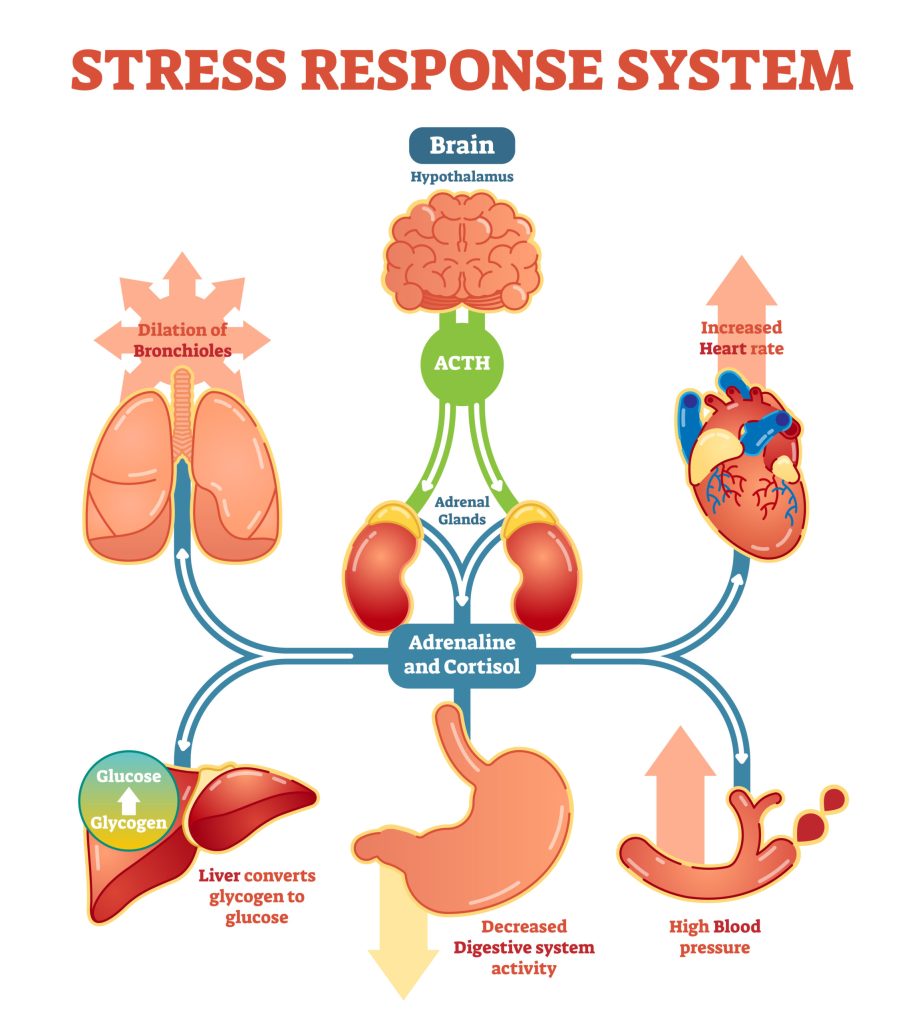
Here lies an internal environment perfect for dis-ease to grow in…. damaged cells and high zombie cells count, poor gut microbiome, high cortisol levels, imbalanced PH levels, high blood glucose levels, to name a few. What is the result? These can manifest in numerous physical symptoms such as
- Insomnia and restlessness
- Cardiovascular disease
- High blood pressure and elevated blood glucose levels
- Thyroid problems which can lead to Type 2 Diabetes
- Digestive issues such as IBS and low microbiomes count (leading to alterations in the secretion of serotonin)
- Autoimmune issues e.g. leading to Rheumatoid Arthritis, Fibromyalgia, Crohn’s Disease
- Reproductive issues, such as problems with libido, infertility
- High inflammation and chronic pain
- Allergies
- Migraines
These all represent the profound interconnectedness of our mind and body axis.
Nothing is separate.
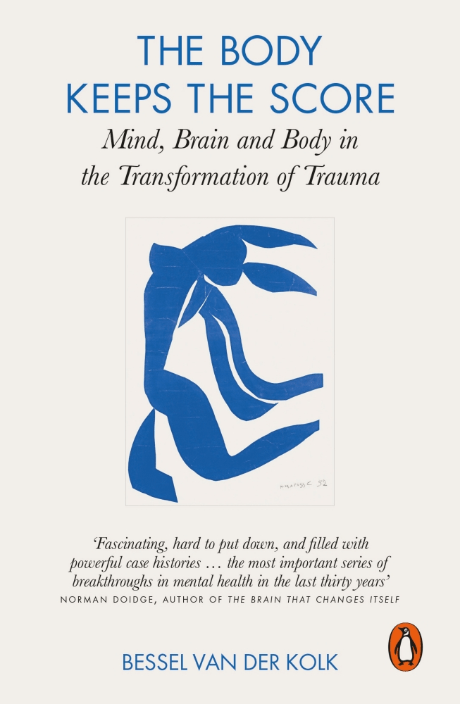
This leads us to an essential concept, the Body Keeps the Score, as termed by Dr Bessel Van Der Kolk, a renowned psychiatrist and researcher in the field of trauma and its effects on the body and mind. He has contributed significantly to the understanding of how trauma is stored in the body and how it can impact an individual’s well-being.
Dr Van Der Kolk states that trauma is stored within the body – viscerally, neurally, somatically, in our cells, and in our connective tissue. His research is rooted in the idea that traumatic experiences can become embedded in the body’s physiological responses, even if the conscious mind doesn’t recall the specific details of the trauma. This concept challenges the traditional belief that memory is solely a function of the brain and conscious recollection.
The body remembers the trauma that incurred, vis neuroception and interoception, even when the conscious mind cannot recall it. For this reason, we must address both the bridge between the mind (cognitive) and body (somatic) in order to heal from trauma. We need to regulate our nervous system, re parent our cells, somatically discharge the old energetic imprints, so that we can create a healthier homeostatic baseline that feels safe, secure, connected, calm and at peace. We need to reconnect with our bodies, and modulate our responses to stress. Over time, and through repetition, we can rewire how the brain reacts to stress and mitigate any physical impacts of periods of stress/pain.
Here are some key points about how the body can “remember” trauma when the conscious mind may not:
- Implicit Memory: Trauma can be stored as implicit memory, which is a type of memory that doesn’t require conscious effort to recall. It is non-verbal. This is different from explicit memory, where you consciously remember events, facts, and details. This is declarative memory. Implicit memory involves the body’s reactions, emotions, and sensations associated with an event. It runs on ‘neuroception’, which is outside conscious awareness. Even if the explicit memory of the trauma is fragmented or unclear, the body can react strongly to triggers or situations that subconsciously and unconsciously remind it of the traumatic experience.
- Sensations and Body Responses: Trauma can trigger strong bodily sensations and responses. For example, survivors of trauma might experience heightened startle responses, racing heartbeats, shallow breathing, or muscle contraction and tension when encountering triggers associated with the traumatic event. These bodily responses are often a result of the body’s implicit memory of the trauma, even if the conscious mind doesn’t recall the specific event itself. The implicit memory is stored viscerally in our cells, fascia and connective tissue. The nuclei in our cells proliferate in response to any stress. These extra nuclei are not lost subsequently, not unless the energy is somatically discharged. They are retained in distinct muscle fibres, essentially waiting to be reactivated and reinacted. Stressors including triggers, where we move into trauma responses, activate these nuclei.
- Neurobiological Changes: Traumatic experiences can lead to changes in the brain and nervous system. The amygdala, a part of the brain responsible for processing emotions and threat detection, can become hypersensitive after trauma. This can lead to an exaggerated “fight or flight” response in situations that might not objectively warrant such a reaction. Additionally, the body’s stress response system can become dysregulated, contributing to ongoing physical and emotional symptoms.
- Dissociation: In response to overwhelming trauma, individuals might experience dissociation, where they mentally and emotionally disconnect from the event. This can lead to fragmented memories and a sense of detachment from the experience. While the explicit memory might be inaccessible, the body’s sensations and reactions can still be triggered by reminders of the trauma.
- Body-Centered Therapies: Dr Van Der Kolk and other trauma experts (e.g. Dr Gabor Mate, Dr Peter Levine) have explored body-cantered therapies to address the impact of trauma on the body. Techniques such as Vagus Nerve Toning and Somatic Experiencing aim to help individuals process and release stored traumatic energy from the body. These therapies recognise that trauma is not just a cognitive experience but also a somatic embodied one.
In essence, Dr Van Der Kolk’s work suggests that traumatic experiences are not limited to the conscious mind’s ability to remember events. Trauma can be imprinted in the body’s physiological responses, and healing often requires addressing these bodily imprints through specialised therapeutic approaches.
 Firefly Somatics™
Leave a Reply