
Trauma is the experience of and emotional response to intense and severe psychological, neurobiological and physiological distress as a result of exposure to overwhelming experiences of (but also subject to witnessing) adverse and life-threatening incidents that feel beyond a person’s control.
When we experience trauma, whether it is primary or secondary, type 1 or 2, acute complex or chronic, it causes a psychodynamic injury to the brain, body and spirit. What happens within you, is systematic, visceral and psychosomatic Its very nature and transformation effects all layers of the psyche (See Peter Levine, 2015; Gabor Mate, 2018; Evette Rose, 2013)
This is why my approach to guiding souls is psycho and somatic. We cannot separate the brain and body, they are a unity. Healing from systematic overwhelm is a gradual process of learning how to identify but detach from emotions (which are merely energy patterns in motion, induced by the dorsal vagal nerve in the gut), to feel them, to hold space for them, process them in a safe manner, to feel the discomfort, to accept and love them, to connect to them as they are all part of you and your human existence.
Rather than avoiding the pain, dissociating and flighting, we deep dive into the shadows of the psyche. We allow the inner child to speak, to be fully seen and heard. In doing this we energetically and somatically release old ways of coping. The nervous system can shift out of a sympathetic response. Stress hormones can decrease. The vagus nerve can signal safety. Our cells, organs and muscles can relax
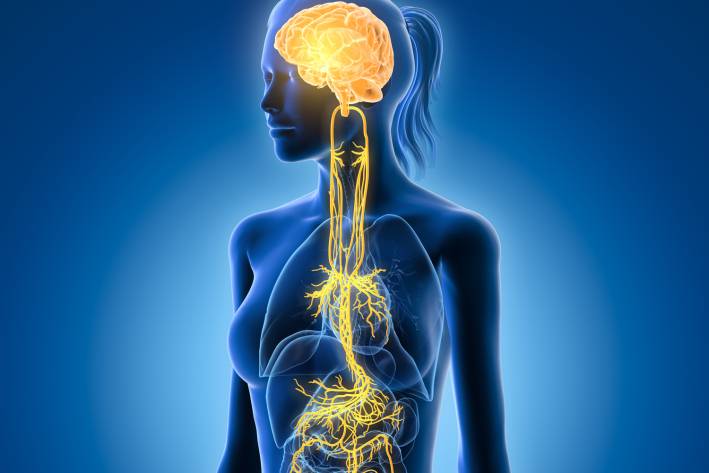
Through nervous system regulation we can create improved internal environmental conditions in relation to our bodily responses in the present moment. Through regulation we also implement a process of Neuroplasticity.
Neuroplasticity, referring to the science of how the autonomic nervous system changes, proves that the nervous system has an extraordinary capacity to form and reorganise neuronal synaptic connections.
In the practise of Neuroplasticity, we are able to overcome old subconscious and unconscious limitations and fire up new connections where we can reach our highest potential.
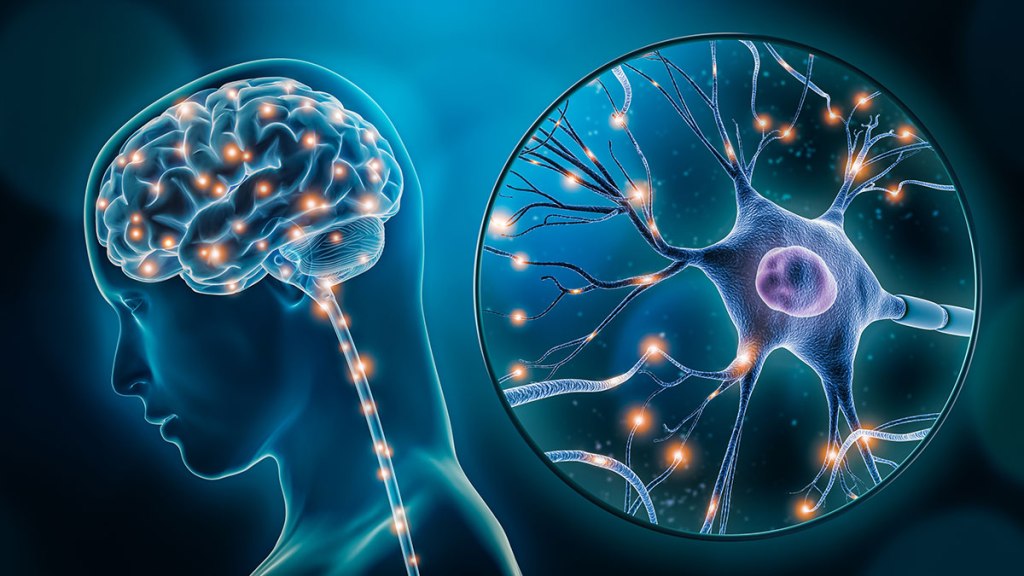
However, to leverage the principles of neuroplasticity, we need to engage in regular repetitions of novel exercises within a condensed timeframe. This is the integral when it comes to healing the nervous system. This is why my coaching programme is a minimum of 4 months commitment. It takes, neuroscienctifically, a minimum of 100 days to see neuronal changes in the nervous system, which can eventually become ‘Autonomic’, over time with a slow and steady integration process
A scattered approach simply won’t cut it. If you are serious about healing your nervous system, working in an intensive time condensed block is needed to see real results. Working directly with The Vagus Nerve is that exact portal to achieve those results

In order to prune away at old neural connections and fire up new ones, through the scientific principles of neuroplasticity, there needs to be:
👉🏽 Specificity: a specifically designed psychosomatic protocol tailored to the needs of your nervous system and the capacity at which it’s currently functioning. There is a sequence to follow, according to the principles of Polyvagal theory (shown below)

👉🏽 Repetition: we’re habitual beings; we are what we repeat. Neural pathways are fired synaptically through repetition. To dissipate old programming and wire in new conditions, there needs to be a systematic routine implemented to teach the cells and signal new electrical information. A protocol needs to be sat into daily. I usually recommend min 30-40 min Vagal Nerve Activation 1-2 times daily for clients, for a minimum of 3 to 4 mon
A neuroplasticity tool I like to use is Recall to Reprocess. Recalling traumatic events in a safe space while the vagus nerve is stimulated, and reframing the traumatic event, can alter how the brain and nervous system perceives and responds to them. Through recalling followed by reframing the event we can form new neural pathways to energetically process the traumatic memories and imprint new and more desirable memories. The brain and nervous system does not know the past to present, imagination to reality, so we can ‘trick’ the system into believing different more desirable outcomes.

Through vagal toning exercises and somatic based approaches we can then help to rebalance and recalibrate the nervous system. Via the portal of the vagus nerve we can bring the nervous system out of trauma response, shift out of hypo or hyperarousal, frozen or shut down state, and navigate it towards a more regulated state. This helps to create new and healthier patterns of neuronal activity
Other effective neuroplasticity protocols I implement with clients include:
👉🏽Vagus Nerve Activation for inducing acetylcholine, relaxing neural hormones, which induces somatic processing and neural releasing
👉🏽Coherent Diaphragmatic Breathing for vagal nerve stimulation
👉🏽Inducing theta brain waves to process subconscious memories
👉🏽HRV tracking for sleep recovery: sleep plays an important role in dendritic growth in the brain. Dendrites are the growths at the end of neurons that help transmit information from one neuron to the next. Strengthening these connections stimulates greater brain plasticity
👉🏽Daily exercise: can prevent neuron loss in areas of the hippocampus (involved in memory), while other studies have shown that exercise plays a role in new neuron formation in this same region.
👉🏽Hot & Cold therapy for “shock” exposure: shock proteins induced via exposure aids NS resilience & increases allostasy
👉🏽Supplements aimed at cellular healing eg b12, omega 3s, magnesium
👉🏽Exposure to nature for amygdala desensitisation
👉🏽Nutrition: If you want enhanced neural pathways, an enhanced diet is key, one that isn’t inflammatory ie high sugar, caffeine
“We either live with intention or exist by default”. When it comes to Neuroplasticity, intention is integral. Otherwise our default neural developmental patterns remain active. What is your intention? Are you living by default, in a state of programming and fear?
 Firefly Somatics™
Leave a Reply