
If the Nervous System is chronically dysregulated, Vagal Tone is weak, Allostasis is low, and the Immune System is therefore comprised, your body is under constant states of arousal and alertness. If you are systematically stuck in cyclical episodes of emergency, your cells will feel like they are under attack and signal the release of various neuro chemicals as a response to the threat to ones survival.
To address the underlying problem, and reset, we need to work directly with the Parasympathetic Nervous System in order to calm the internal system and bring everything back into balance. Your Vagus Nerve is the main modulator of your PNS, and serves as a bi-directional highway from gut to brain, as well as an anti-inflammatory agent. Vagus Nerve Healing helps to reduce arousal states, mast cell activation, histamine release, inflammation and other neurobiological issues. Through the Vagus Nerve we can regain a healthier, more balanced, regulated homeostasis

However, when working with years of conditioned states and internal wiring that is completely misaligned, we have to start with the immediate baseline at which you are currently operating at.
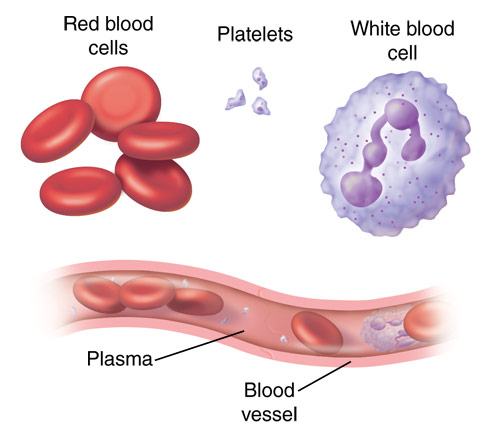
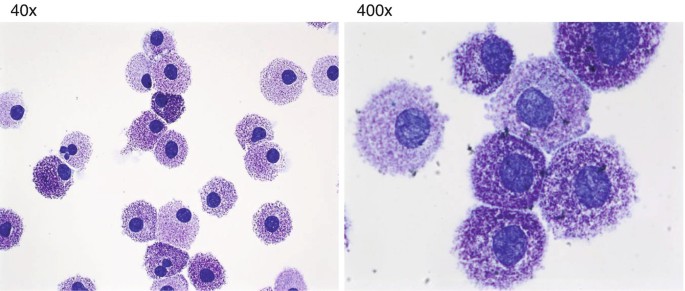
For those with weakened immunity, this may mean high levels of Mast Cell Activation and Histamine in the body’s plasma. Plasma is the liquid portion of our blood. This includes our red and white blood cells and platelets, which are suspended in the plasma as they move throughout the body. Blood plasma is about 92% water based, but serves several important functions in our bodies. Blood plasma for instance carries all parts of the blood through your whole circulatory system.
But what is Histamine?
It is a central nervous system neurotransmitter and is a chemical that your immune system releases. It can trigger an inflammatory ripple response. It is known to be a mediator of “wakefulness” and its activity is essential to maintain wakefulness, alertness, and reaction time.
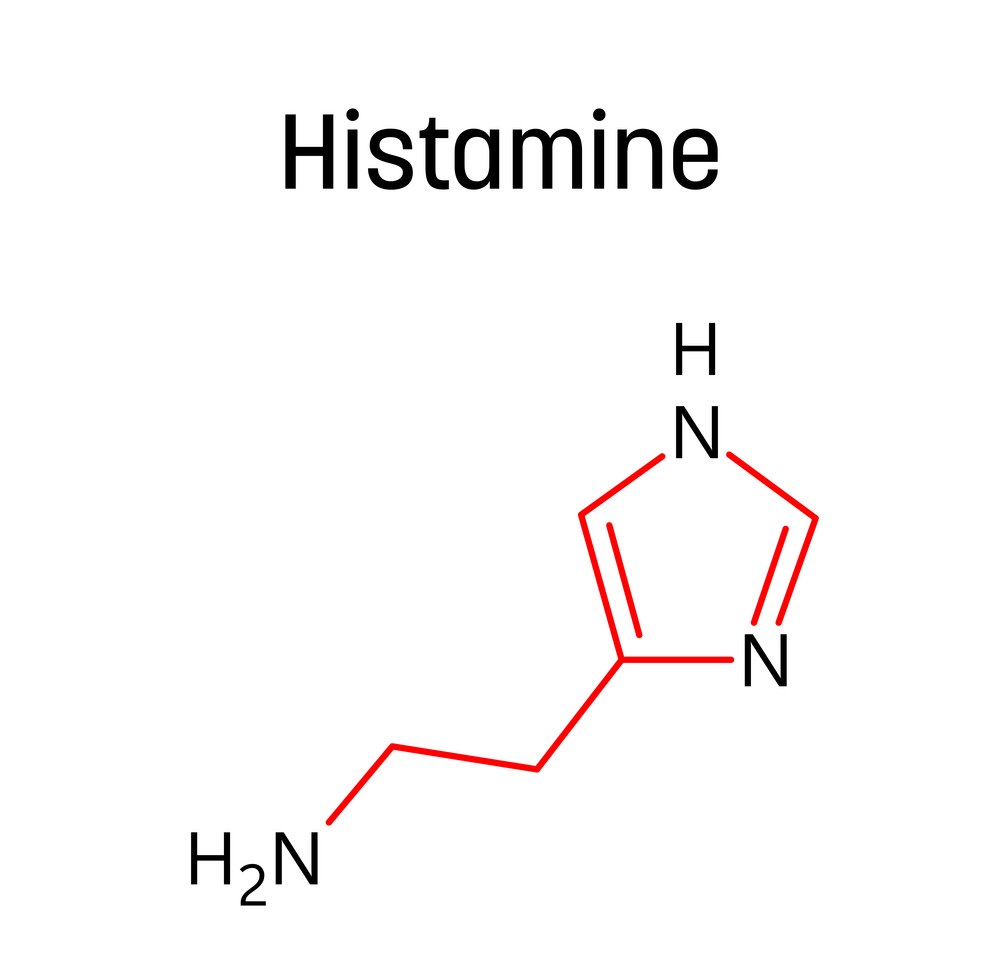
It holds other important functions, such as fighting off allergens as part of your immune response; it’s a chemical messenger between brain and body; it promotes stomach acid releasing to aid digestion (e.g. Hydrochloric acid); and helps sexual function including libido.
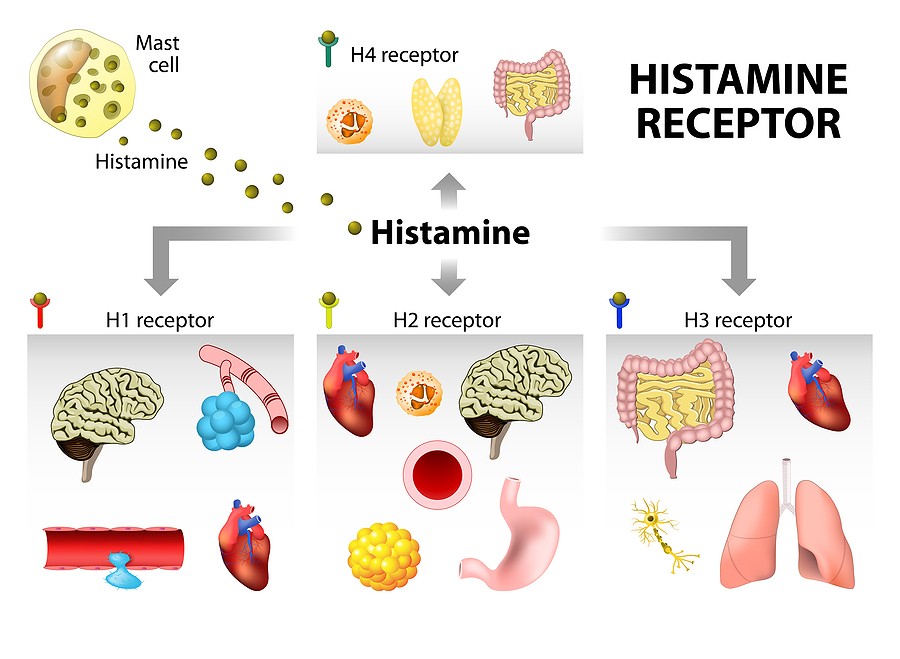
While it helps to regulate your sleep-wake cycle and cognitive function, it can cause allergy symptoms such as itching, redness and hives.
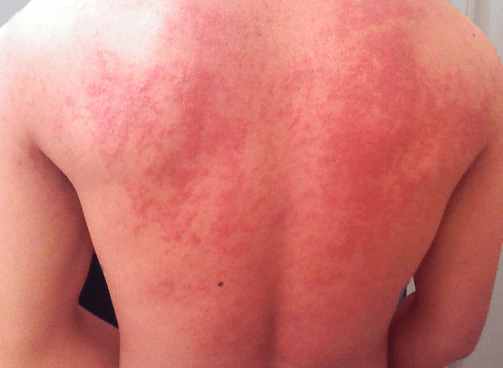
Hives usually develop when there is a reaction that activates immune cells in the skin called mast cells (see below). These are allergy cells responsible for immediate allergic reactions. When activated, these mast cells release natural molecules and chemicals, one being: histamine. This is what causes itching, redness, rashing, and swelling of the skin in an area, i.e., what we identify as a hive. Histamine acts on many different parts of the body by dilating blood vessels and increasing capillary permeability. This can cause your skin to become very red and inflamed looking. In other words, it causes what looks like an “allergic reaction”.
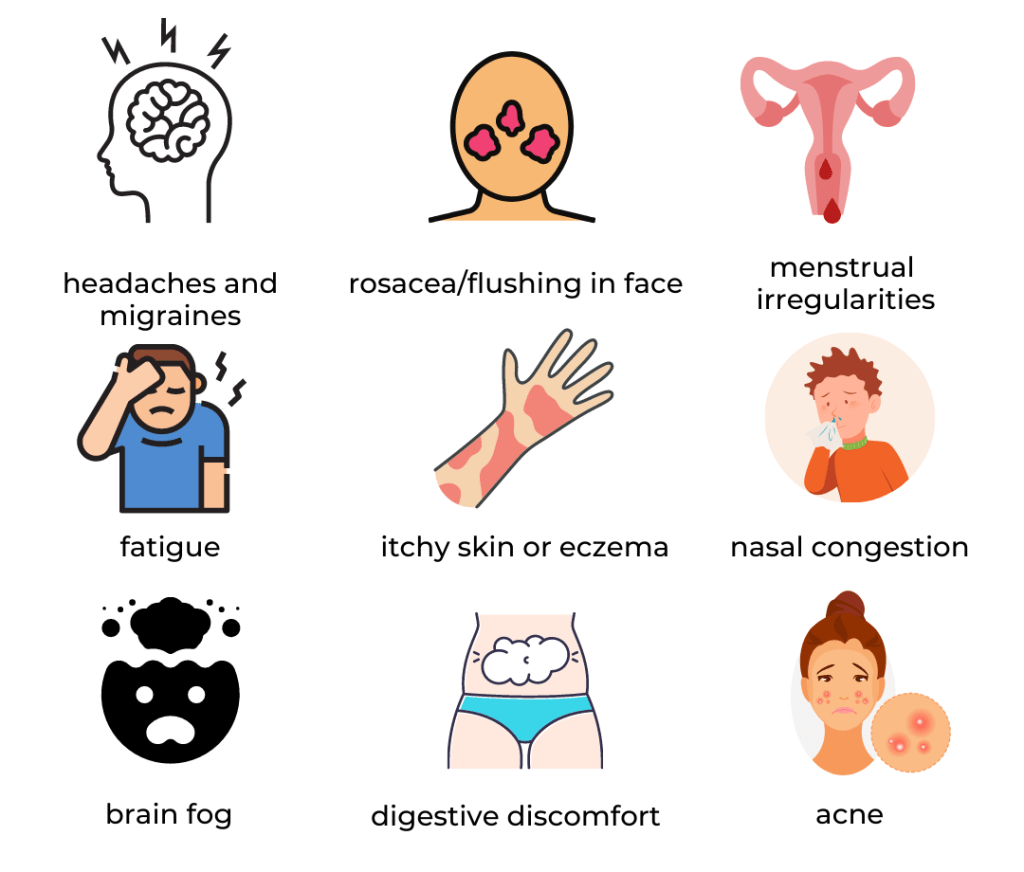
In normal circumstances, when histamine reaches its target cell it gets removed/destroyed quickly. The small intestine and colon send what’s known as Diamine Oxidase (DAO) enzymes to prevent histamine access from any foods that would naturally increase it internally. If any histamine passes the DAO, an enzyme known as histamine-N-methyltransferase (HNMT) will kill them in the gut lining. If your gut is damaged due to cyclical stress states, this hosts bigger issues. For instance, if the activity of these enzymes is inadequate or compromised, not all histamine will be destroyed or removed from the system. This then leads to histamine intolerance which essentially results in excess histamine that is left to enter the bloodstream and your cells. Intolerance to Histamine can look like abdominal pain, diarrhoea, headaches, fatigue, hives, puffy eyes, sinus issues, menstrual problems, heart palpitations, low blood pressure, to name a few.
Hives will usually worsen at night. The reason being, the cells responsible for releasing histamine are sensitive to our circadian rhythms. Your system is winding down for the night too, and is beginning to enter rest, recovery and regeneration mode. We undergo the most of our cellular healing in sleep state, so symptoms can flare up.
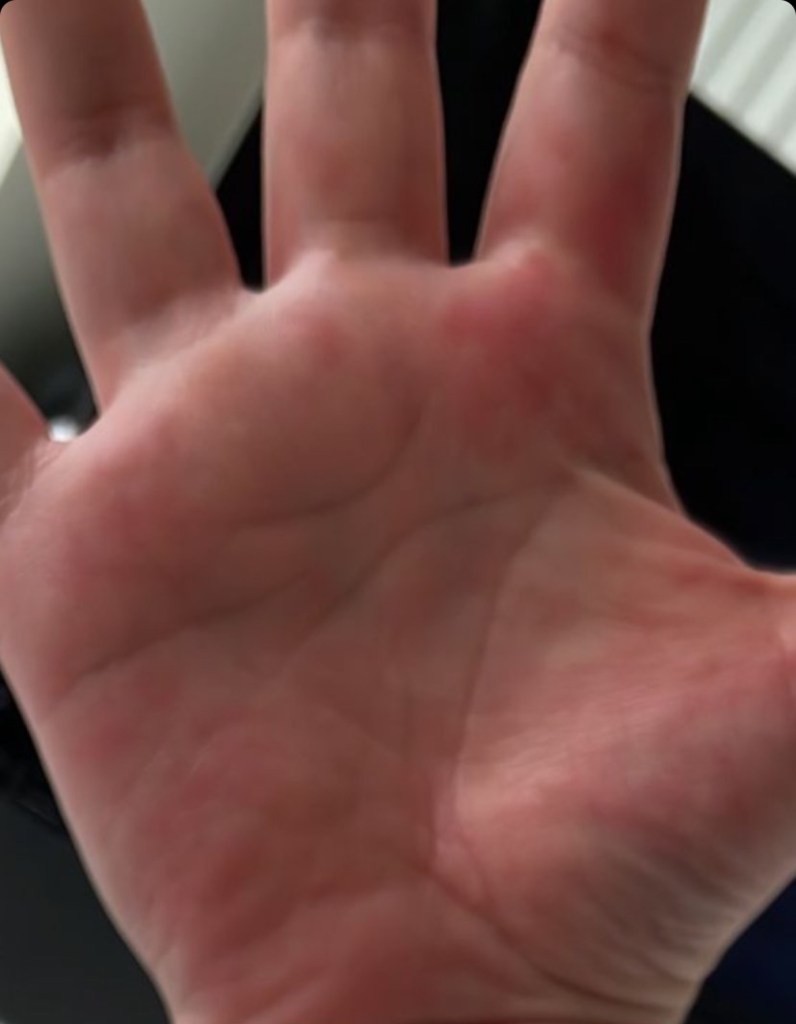
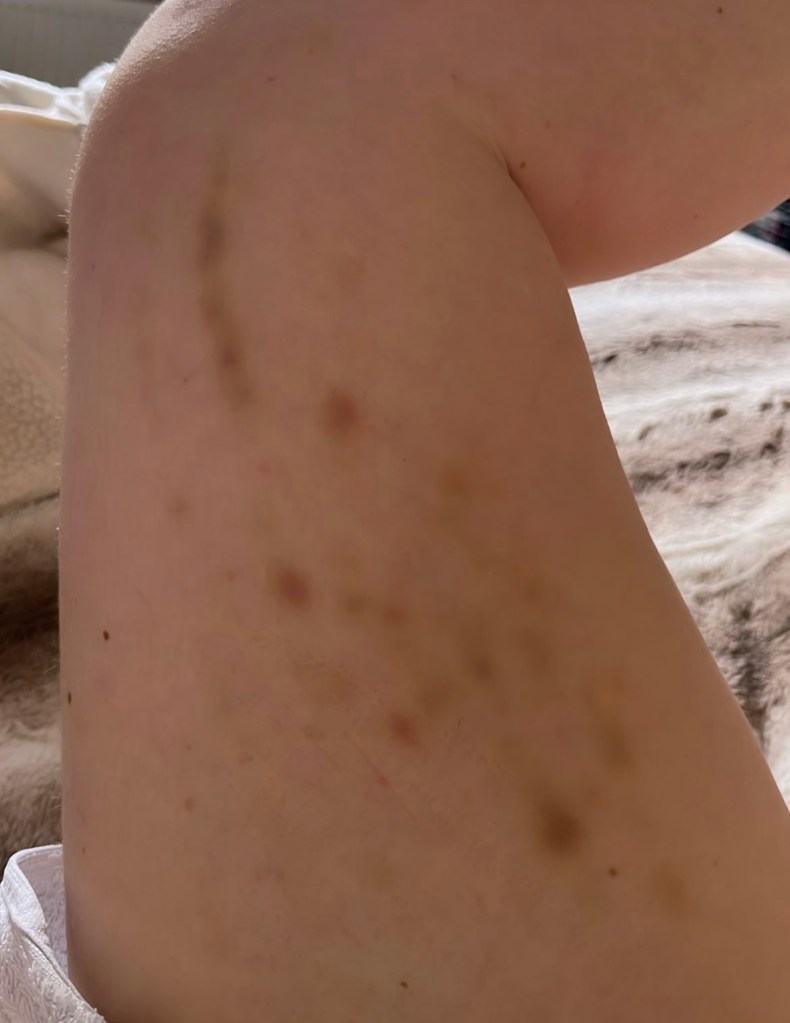
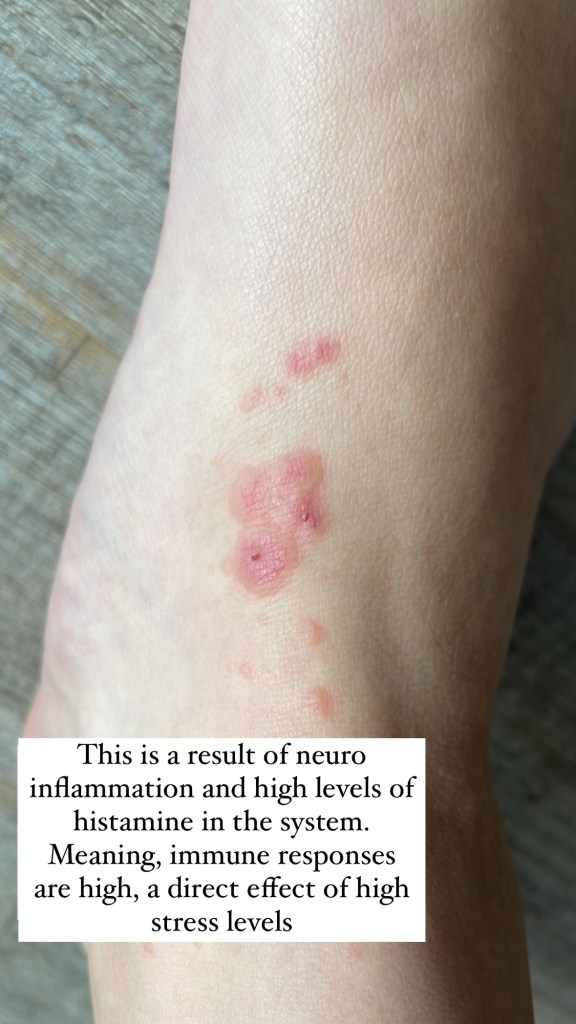
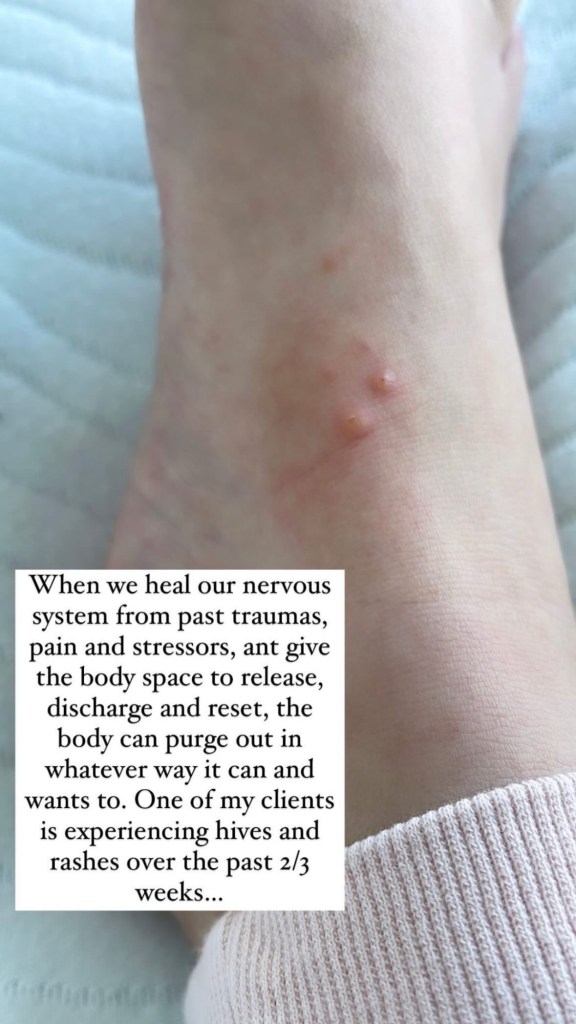
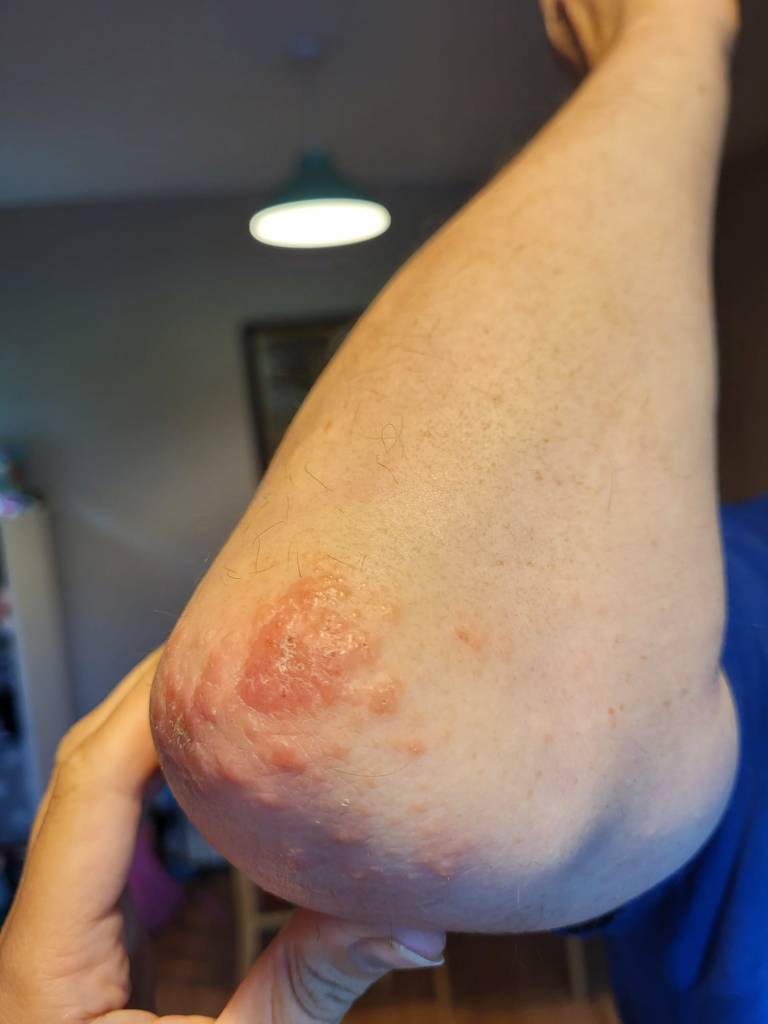
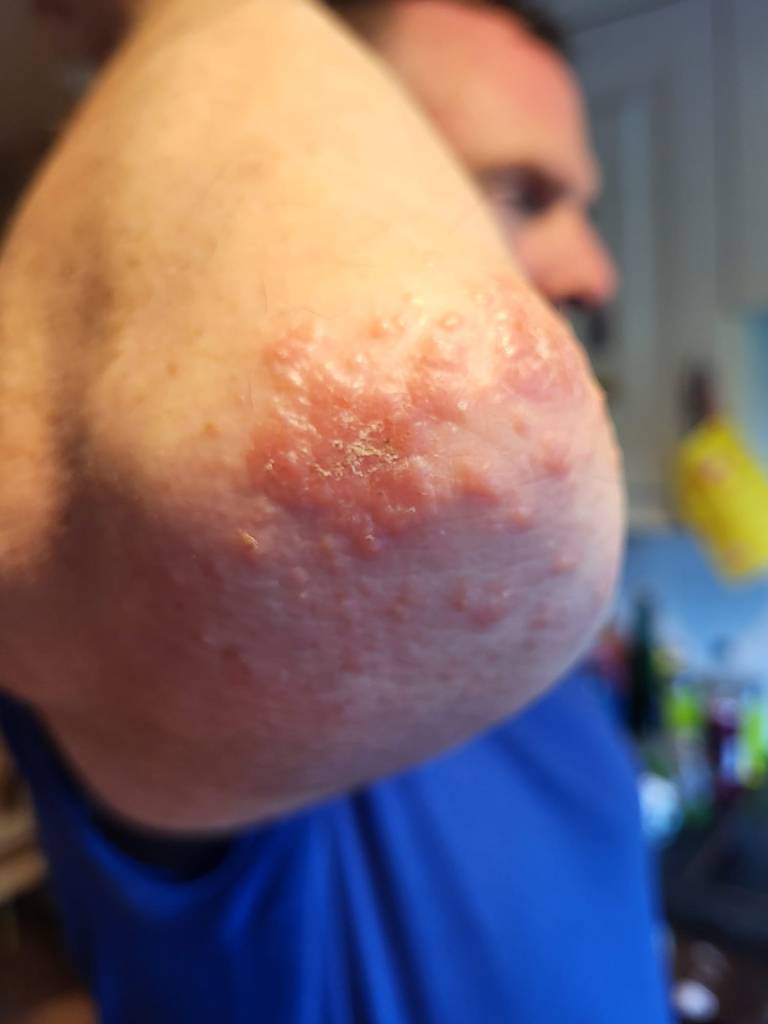
I have noticed that the appearance of hives are very common amongst clients with Autoimmune Diseases and those with weakened immunity. If you view the photos below, you will see images and feedback from clients with immunity issues who followed Firefly Somatics™ Vagus Nerve Mastery Protocol, and began to experience break outs due to high levels of histamine in the system. This is all VERY safe, and is actually positive feedback from the internal system. Things ‘get messy’ before they get clear, and the Vagus Nerve will bring up what is lying dormant as a means to heal and regulate your system.

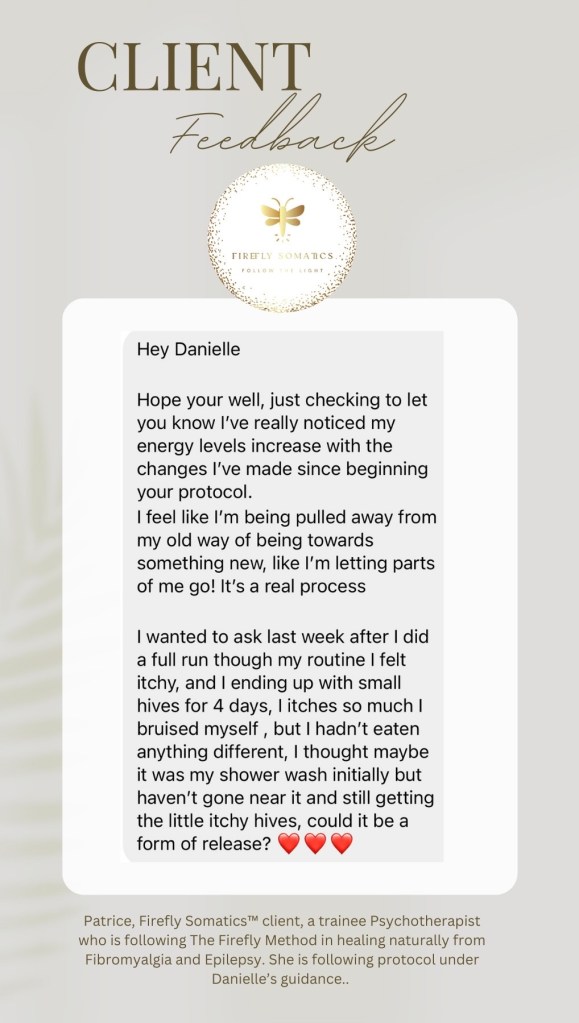
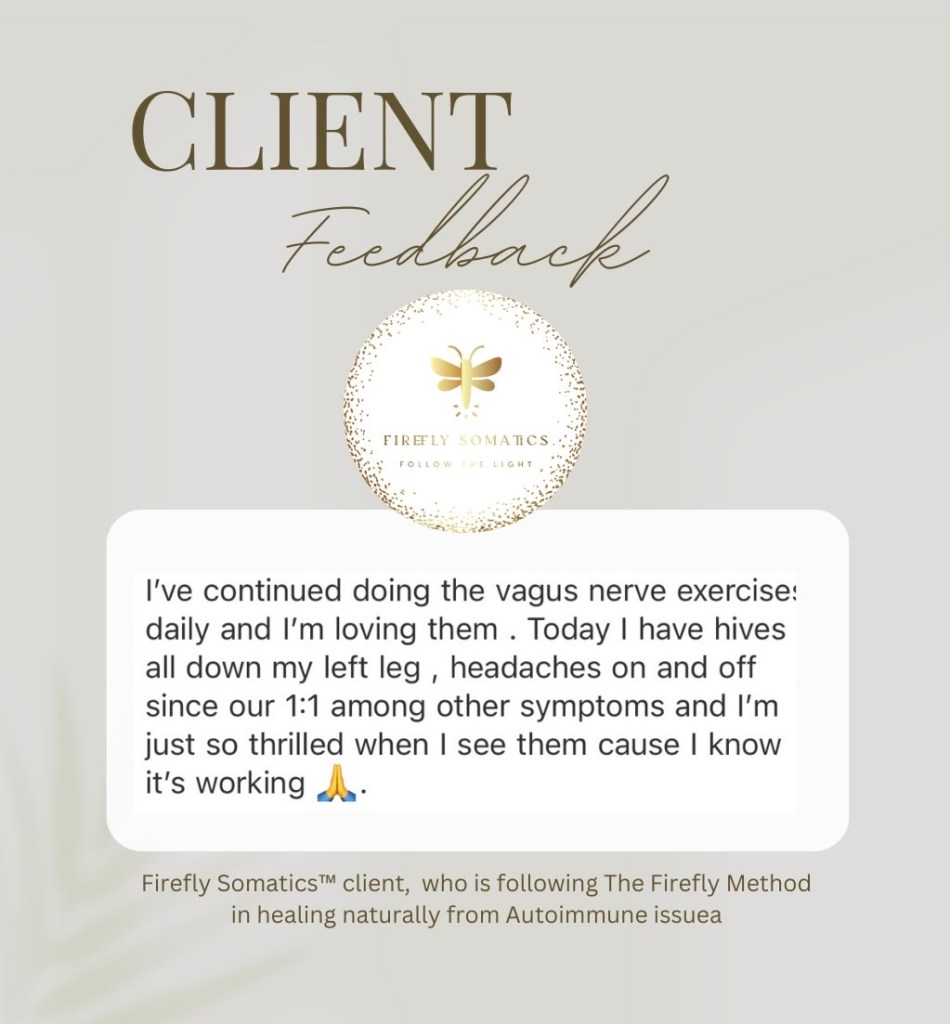
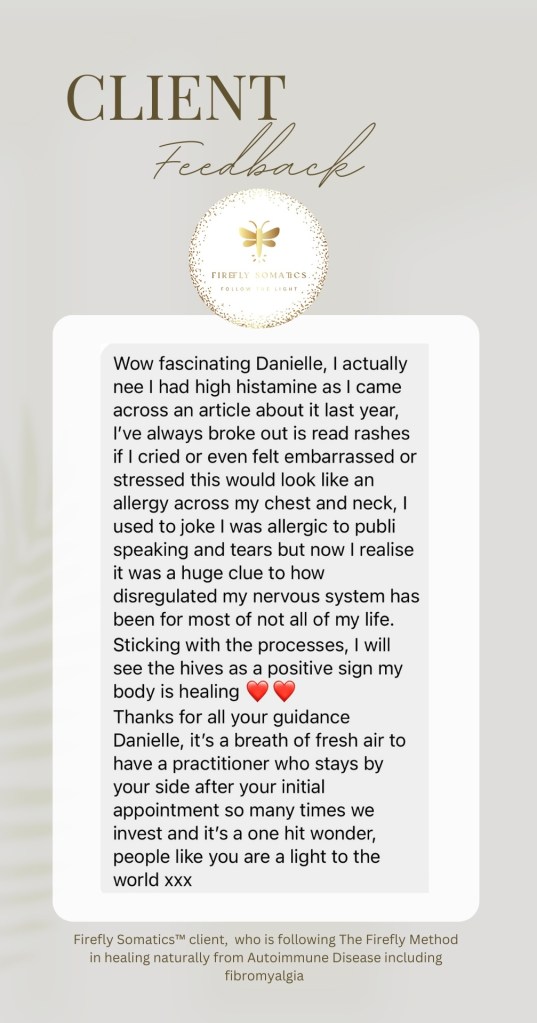
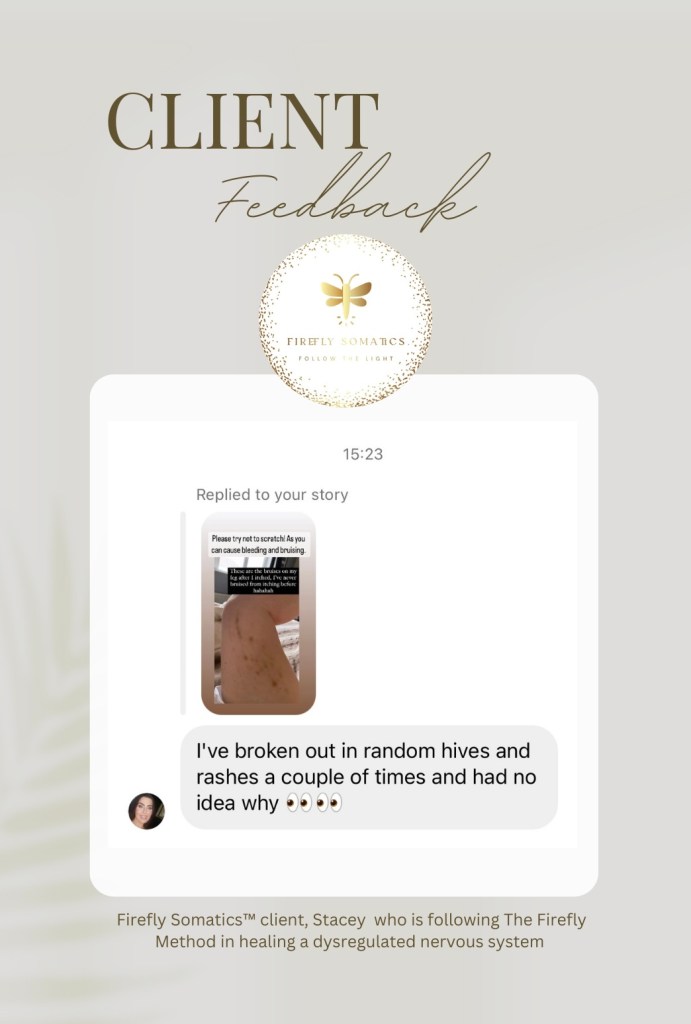

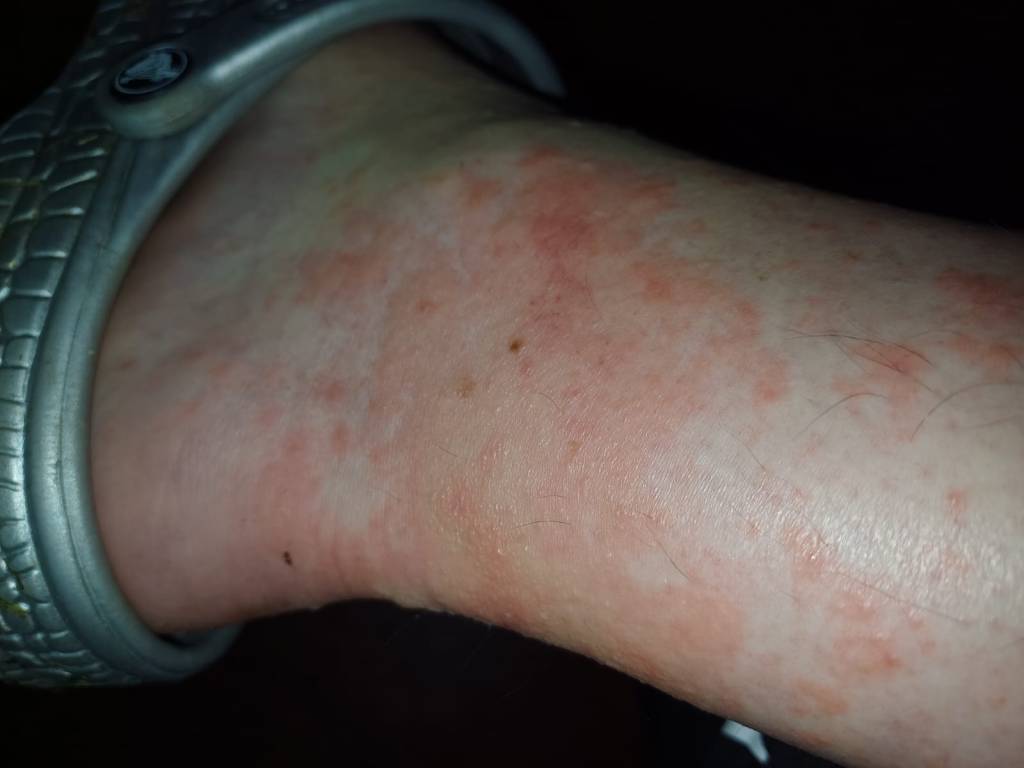
Some advice if you are experiencing hives and rashes:
- Stick with Vagus Nerve Stimulation Protocol daily. Do not verge off protocol as this is part of Neuroplasticity and must be repeated on cycle and pattern. Omit taking any anti histamine medication and use your vagus nerve stimulation to induce anti inflammatory responses.
- Try some witch hazel, Aloe Vera, calamine lotion for a coolant effect. Keep these stored in the fridge to keep cold. Do not let the area dry out.
- Numb the area with an ice pack or have a cold immersion
- Do not eat anything that will irritate and inflame the area more, like spicy foods, caffeine, refined carbohydrates, or sugar.
- Take supplements to support your nervous system and immune health especially Vitamin C and D
- Avoid being in the sun, sauna or tanning beds
- Manage your stress levels
- Stay hydrated and drink a minimum 2 litres of water
- Avoid wearing tight fitting clothing or any thermal type clothes
- Avoid fragrances and perfumes, deodorants on the area

 Firefly Somatics™
Leave a Reply