
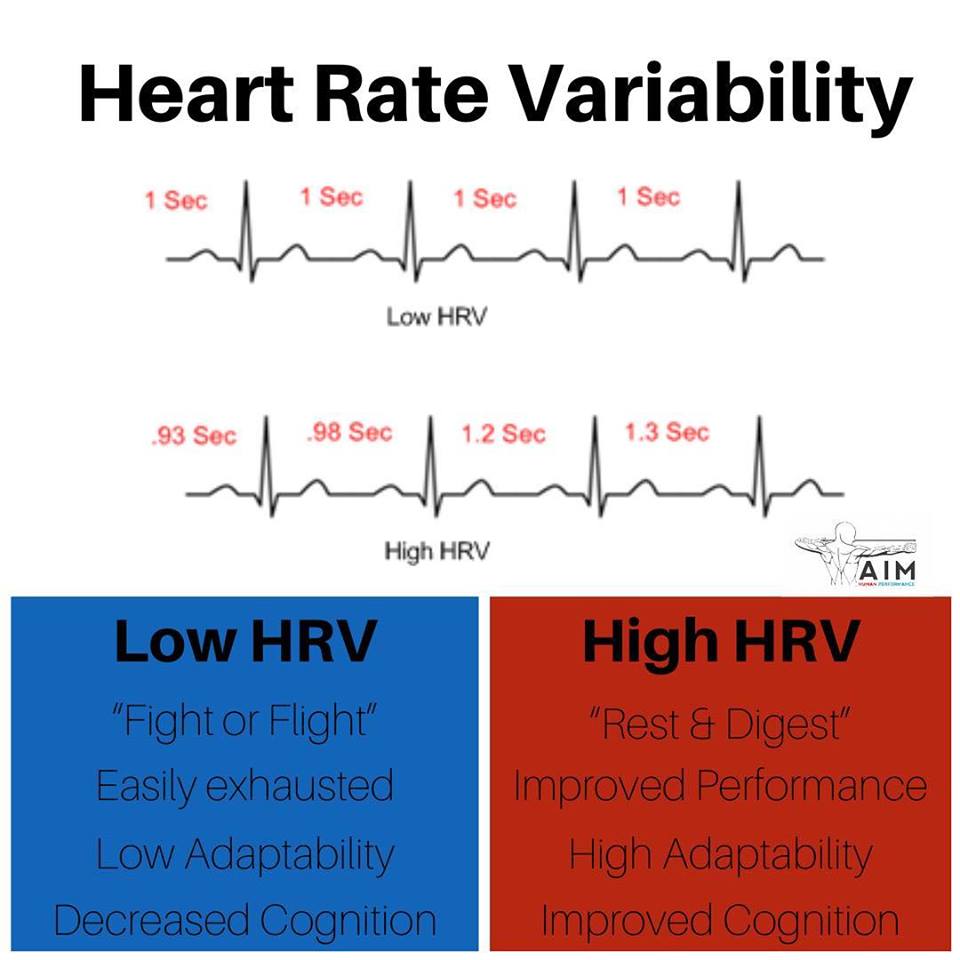
Heart Rate Variability (HRV) is an emergent property of complex cardiac-brain interactions and non-linear autonomic nervous system (ANS) processes. It is a measure for the variation in inter-beat-intervals that reflects ANS function and is correlated to your allostatic load. While we have always been led to believe otherwise, a healthy heart is actually not a metronome; it exhibits complex non-linear oscillations characterised by mathematical ‘chaos’. A healthy heartbeat is irregular by milliseconds. The time interval between heart beats is constantly changing. HRV is a normal occurrence; it isn’t an arrhythmia. It measures the variability between heartbeats by milliseconds.

HRV relates to our Autonomic Nervous System which includes our Sympathetic Nervous System (SNS) ‘fight or flight’ and our Parasympathetic Nervous System (PNS) ‘rest and digest’. Your brain and Nervous System support your heart. Your senses (sight, sound, smell, taste and touch) feed sensory information (via sensory receptors and afferent sensations away from the gut) to your brain about everything around you in your immediate environment. Your brain has a direct line to your heart, communicating to your heart when it needs to speed up and work harder. This direct line to your heart is your autonomic nervous system. This is a part of your brain and a set of nerves that operate outside of your conscious awareness. It’s divided into two systems: your sympathetic nervous system and your parasympathetic nervous system.
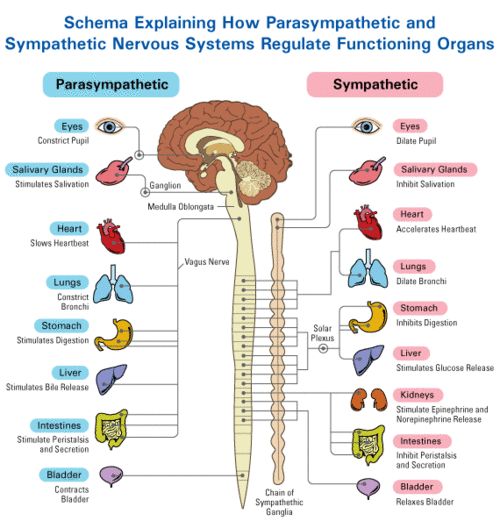
When your SNS is activated, your HRV lowers, no matter how fast the heart beats. Your adrenal glands release cortisol, noradrenaline and adrenaline so you can react faster. Adrenaline signals the accelerator nerve in the heart to speed up. The accelerator nerve are cardiopulmonary splanchnic nerves that allows the sympathetic nervous system’s stimulation of the heart. Essentially, this is a sign you’re in what we call stress response. When your PNS is online, the heart slows down, HRV increases, and there is more variability between heart beats. This is a sign you’re calm, connected and grounded, and in vagal flow state.

So see, the rate changes depending on what you’re doing at the time. Slower heart rates happen when you’re resting or relaxed, and faster rates happen when you’re active, stressed or when you’re in reaction to threat or danger. There is variability in your heart rate based on the needs of your body and your respiratory patterns. Whether you’re awake or asleep, calm or stressed, your heart reacts to changes in your environment and surroundings. It does this via Neuroception through the afferent and afferent branches of the Vagus Nerve, and thus, has direct input from past experiences that altered or wired your neuronal patterns and programming.
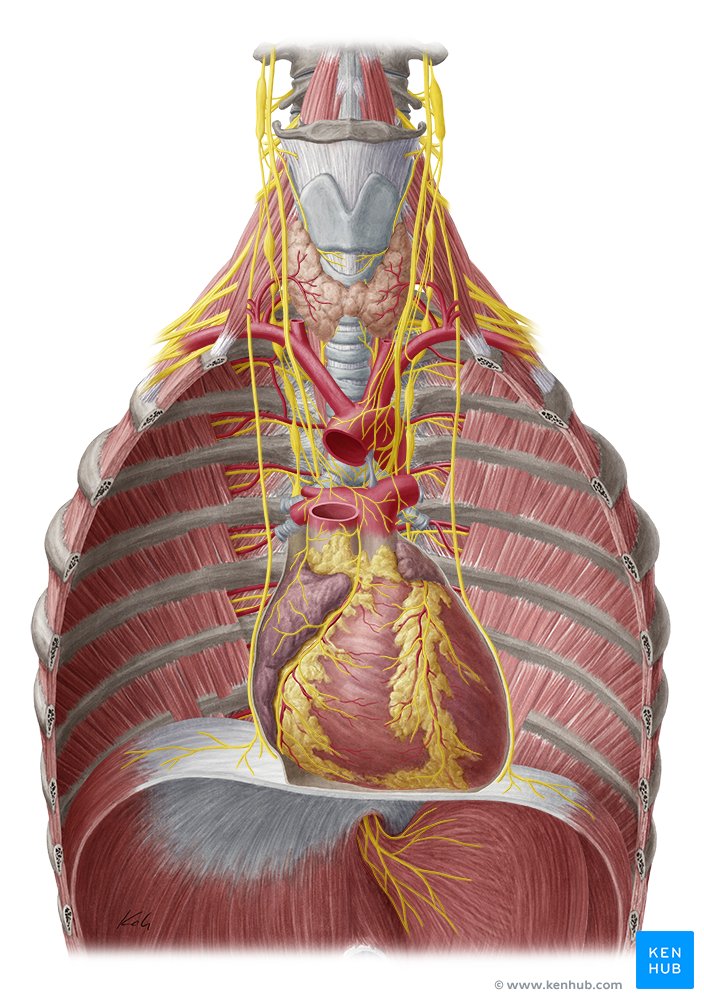
In the baroreceptor reflex, baroreceptors located in the aortic arch and internal carotid arteries detect a rise in blood pressure and increase their firing rate. These signals reach the nucleus tractus solitarius in the medulla, and the nucleus tractus solitarius sends signals to the sinoatrial node of the heart via the vagus nerve to slow its rate of contraction.

Thus, HRV provides a snapshot into how the body is balancing between the two branches of the nervous system. Tracking it informs if the body is recovering, especially at night during sleep cycles. Vagal tone is measured indirectly through the heart rate variability. Tracking it can clinically measure overall levels of vagal activity and as such the functioning of your rest and recovery system. If one’s HRV is low, recovery is not fully functioning which shows up in various symptoms such as high stress and anxiety, chronic fatigue, low mood, high sugar cravings, high blood pressure, and much more
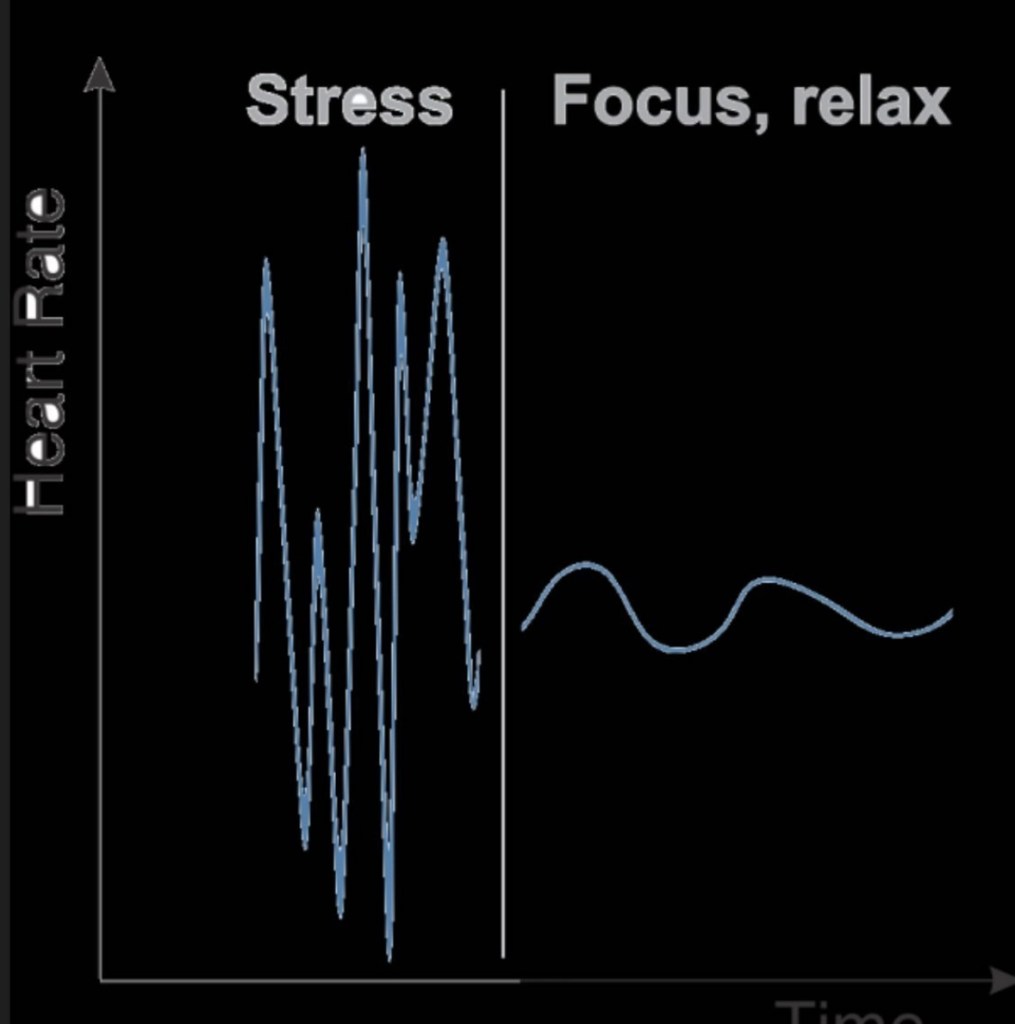
HRV is an important indicator for overall wellbeing; it is a marker of:
1) Physiological resilience
2) Behavioural flexibility
3) Ability to, adapt effectively to exposed stressors and states of upregulation, experience and recover from stress response and adapt to demands of various environments This is known as an individuals allostatic load. Allostasis essentially refers to our stability through change, our “wear and tear” mechanism, how able we are to bounce back from stressors, if we’re able to shut off the stress response after a stressor is terminated. Inability to switch it off results in dysregulation in the nervous system , hardwiring to chronic stress response, resulting in anxiety, depression, PTSD, hormonal imbalances, heightened immune responses, and so much more
4) Recovery: HRV declines during stress mobilisation and can remain suppressed during subsequent rest and sleep states, leaving a profound wear and tear effect on your neurobiological pathway, neuroendocrine and glandular system, cellular capacity, DNA genomes and mitochondria activity, and the various organs that are effected in the process of mobilisation (e.g. heart, lungs, liver, brain, digestive system)
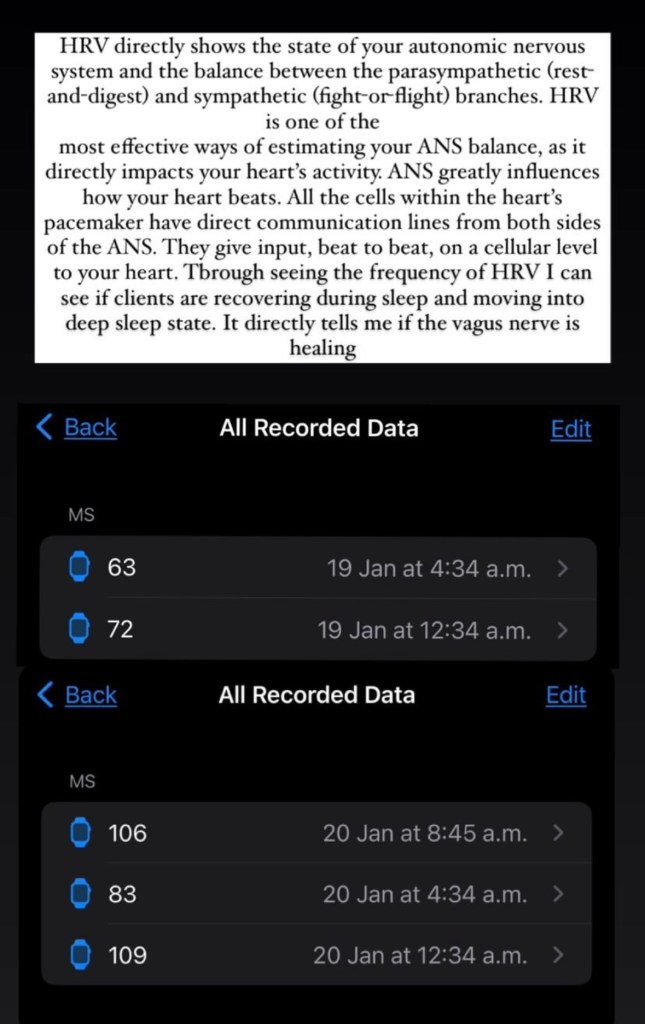
5) Vagal tone and Vagal brake: The vagus nerve is connected to the hearts pacemaker and has ability to bring the heart rate down. All the cells within your heart’s pacemaker have direct phone lines from both sides of your ANS. They give input, beat to beat, on a cellular level to your hear. Your HRV directly communicates how healthy your vagus nerve is operating at, and in turn, the strength of your PNS responses

How do I track or measure my HRV?
In a hospital or medical setting, an ECG.EKG machine s usually used to detect heart rate variability. This device accurately measures the electrical activity of your heart using sensors attached to the chest. While, there are various devices which can be commercially bought and used, such as:
- FitBit

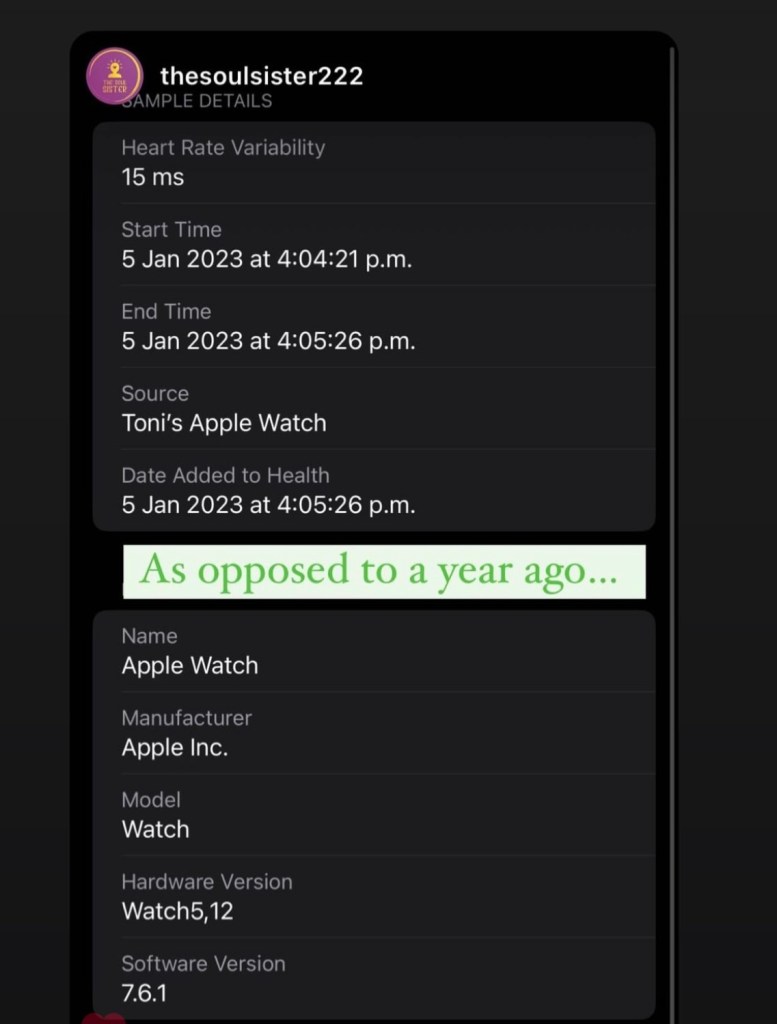
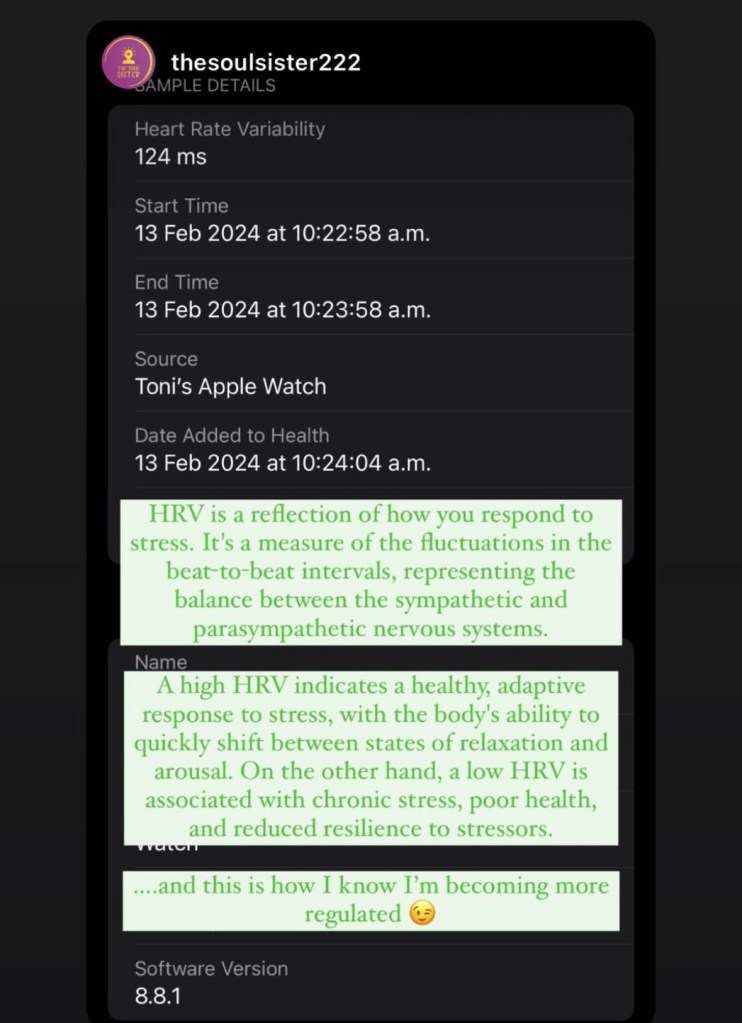
2. Apple Watch (how it appears on Apple recording, shown below)

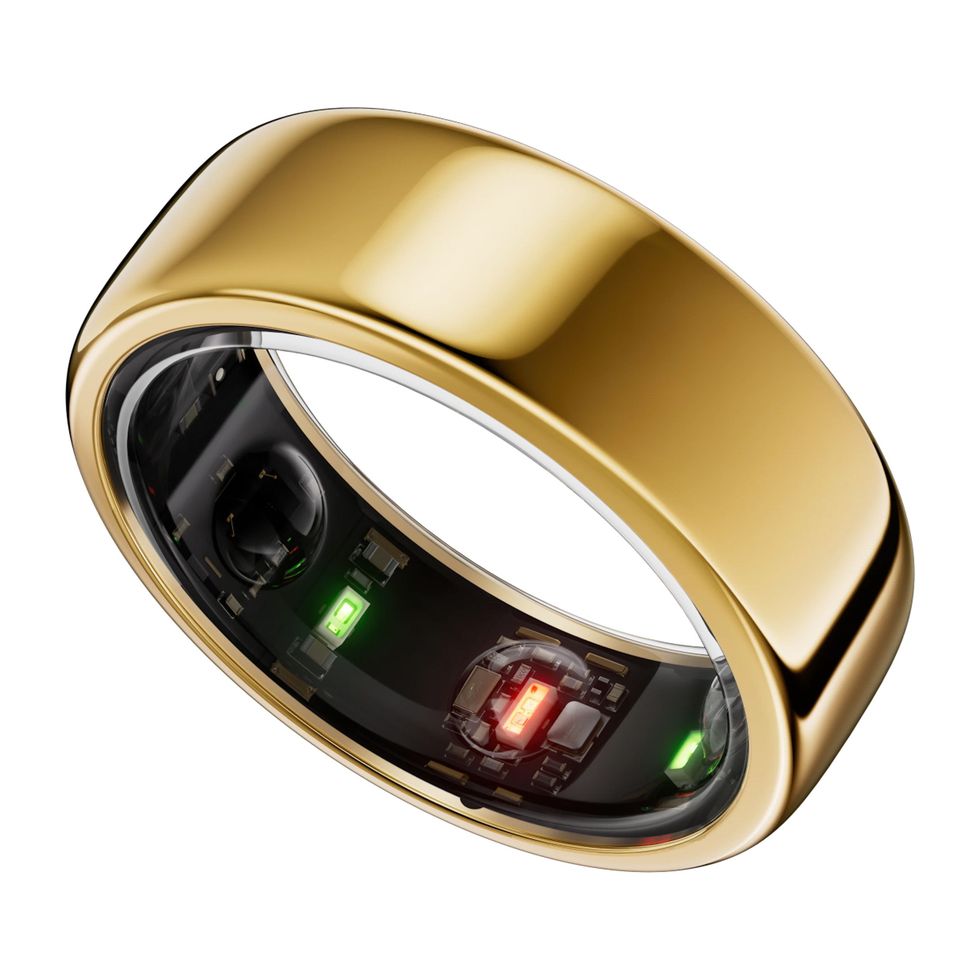
3. Oura Ring
4. WHOOP Strap 4.0

5. HeartMath Inner Balance

6. Polar H10 HR Sensor

What is a good HRV number?
HRV is unique to YOU and is a highly sensitive metric. It’s important to know that HRV on average, decreases with age, while it fluctuates with seasons, hormonal changes (e.g. in menstruation cycles) and genetic predispositions can be of influence to baseline numbers.
Variability that’s normal in one person may not be normal for someone else. It is subjective. HRV levels can fluctuate on a daily basis based on various factors such as stress, exercise, sleep. Emotionaliity can also have an impact: feelings of happiness and peace can increase HRV, while feelings of sadness and unhappiness can lower HRV.
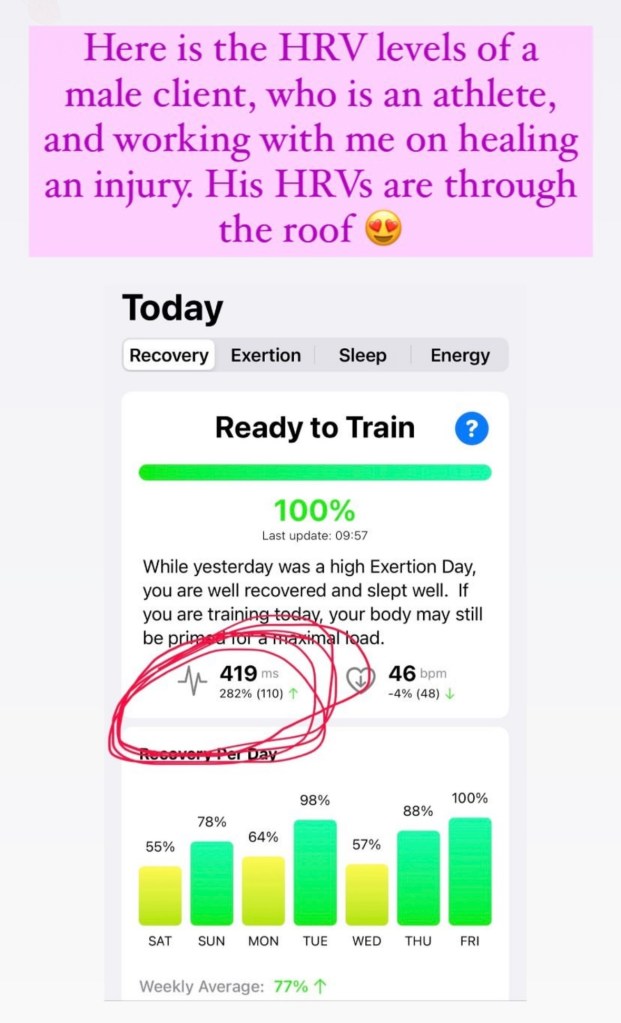
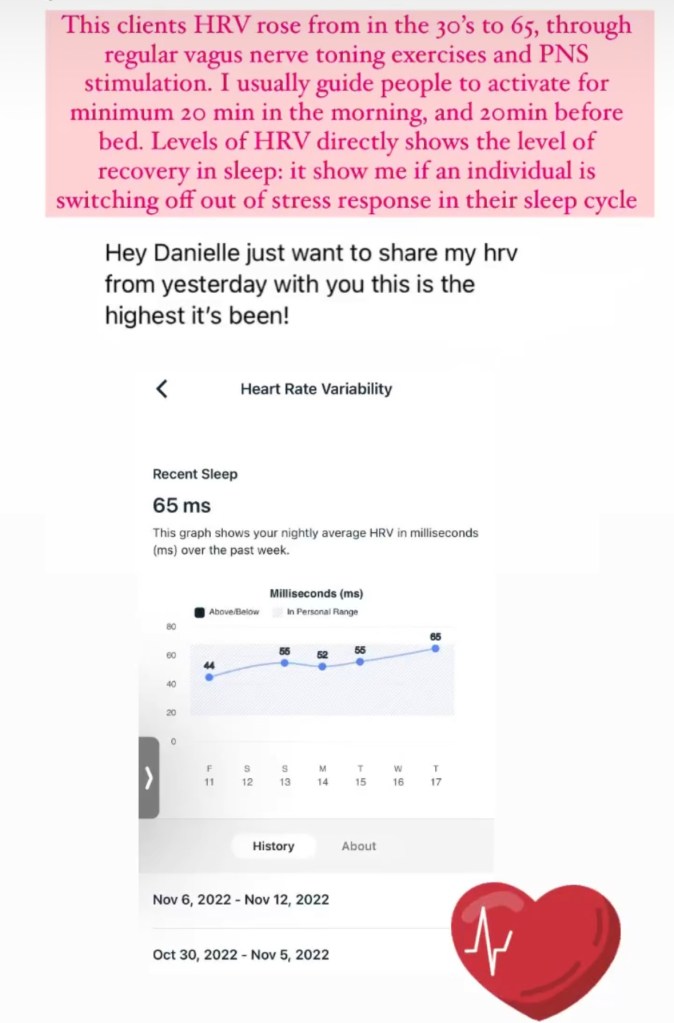
Generally, however, healthy HRV will have scores of 60 to 100 (remember, depending on factors mentioned above). This can be even be higher for particular individuals such as performance athletes. Unhealthy HRV will range in the 35 to 55 mark, and anything below that indicates a chronically low level of vagal activity, and is a huge marker for concern and symptoms that may lead to serious health issues.
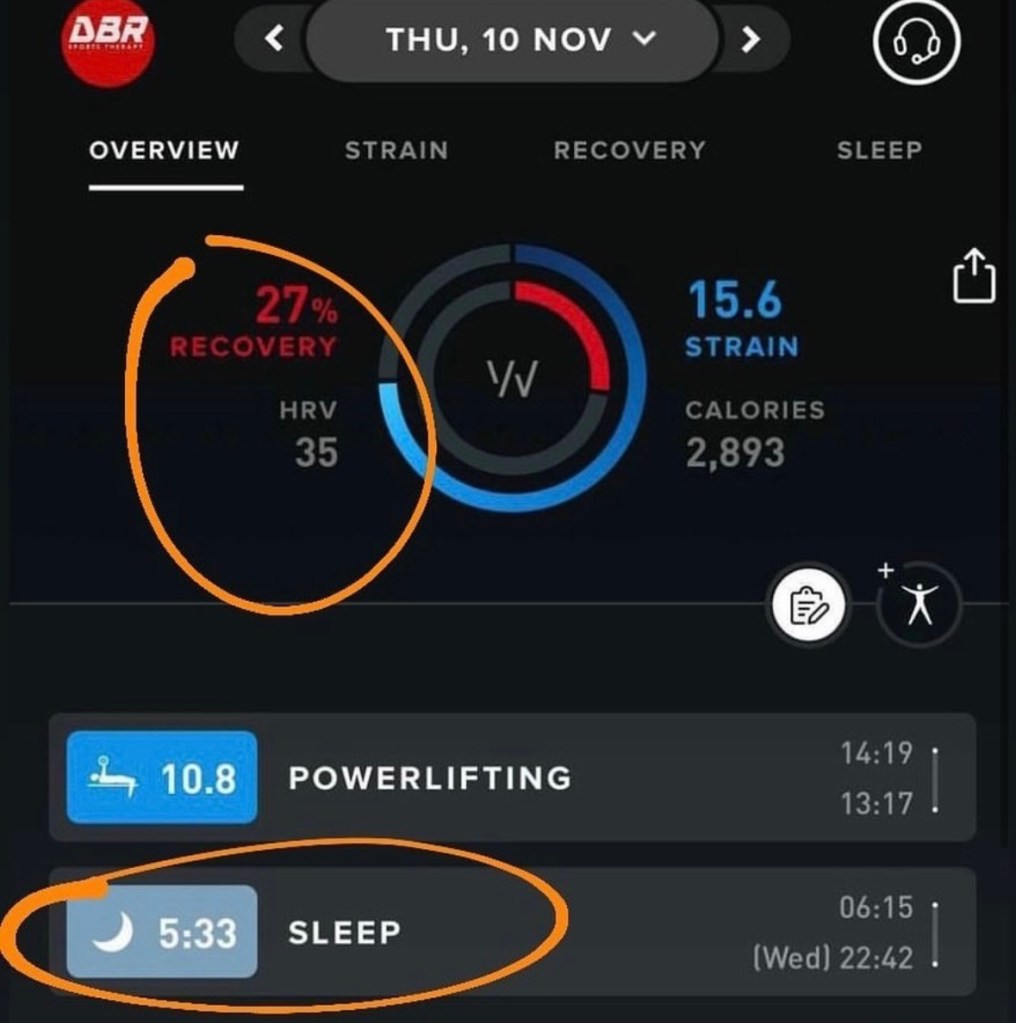
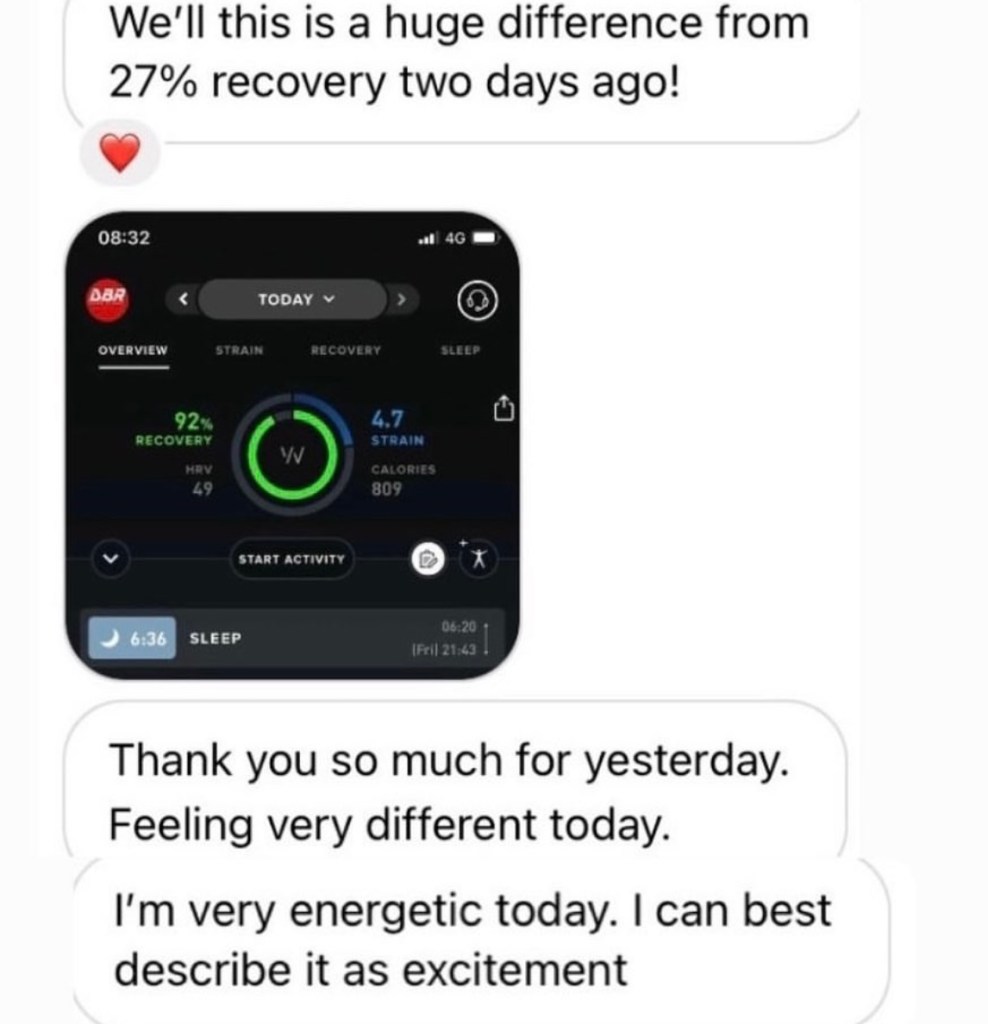
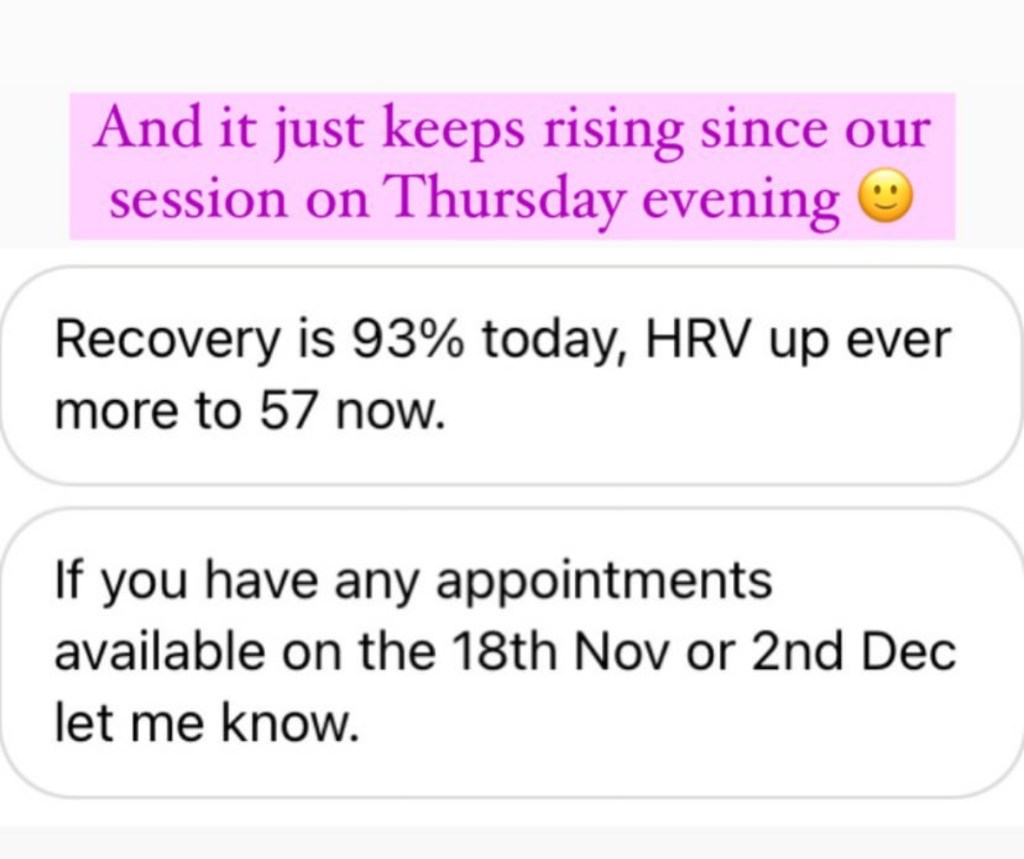
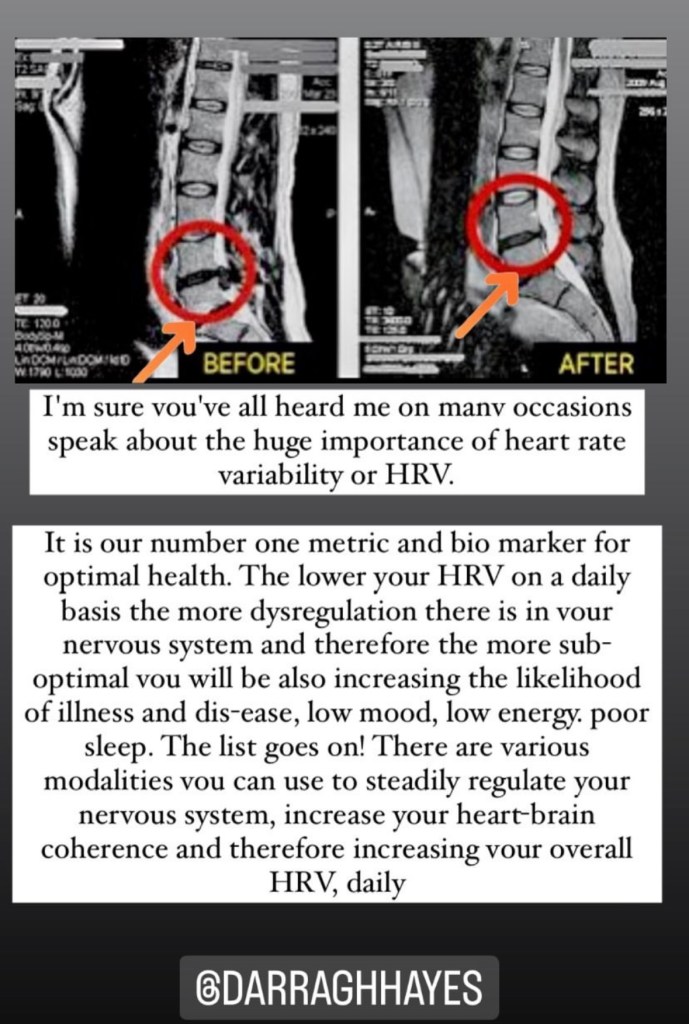
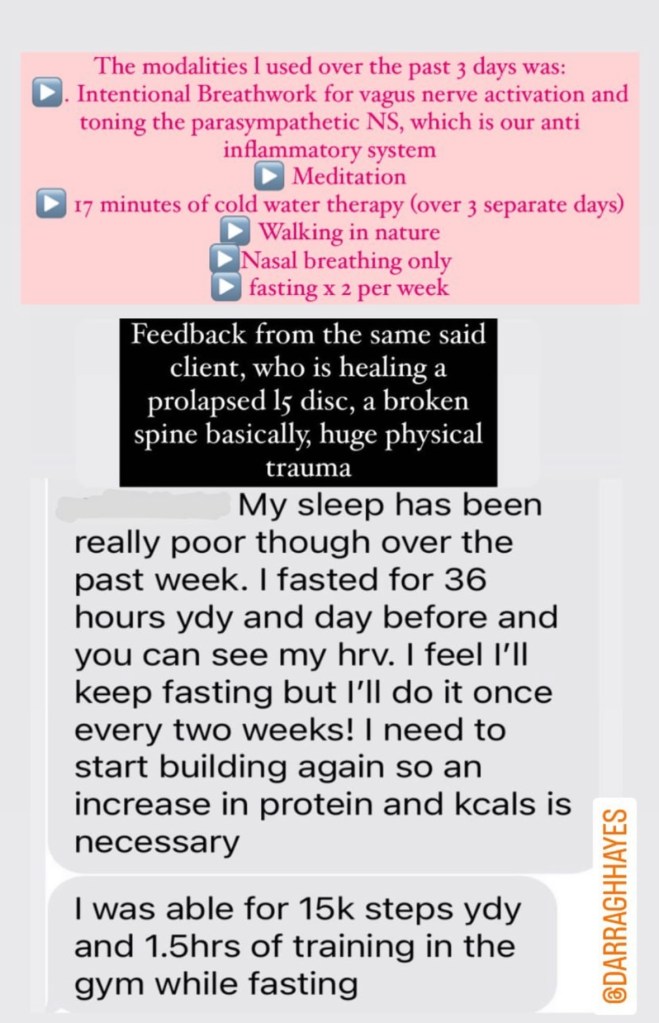
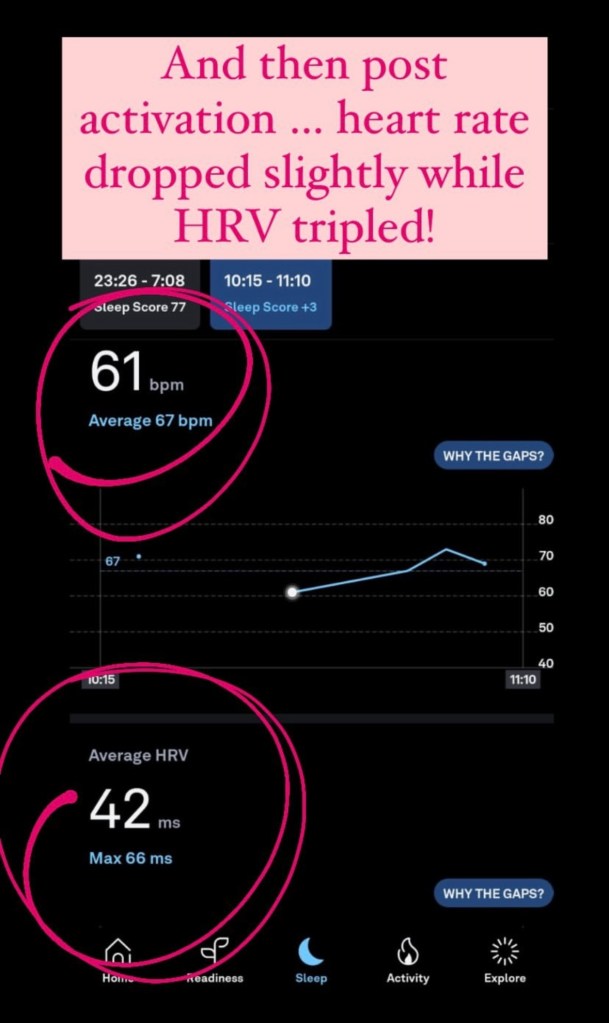
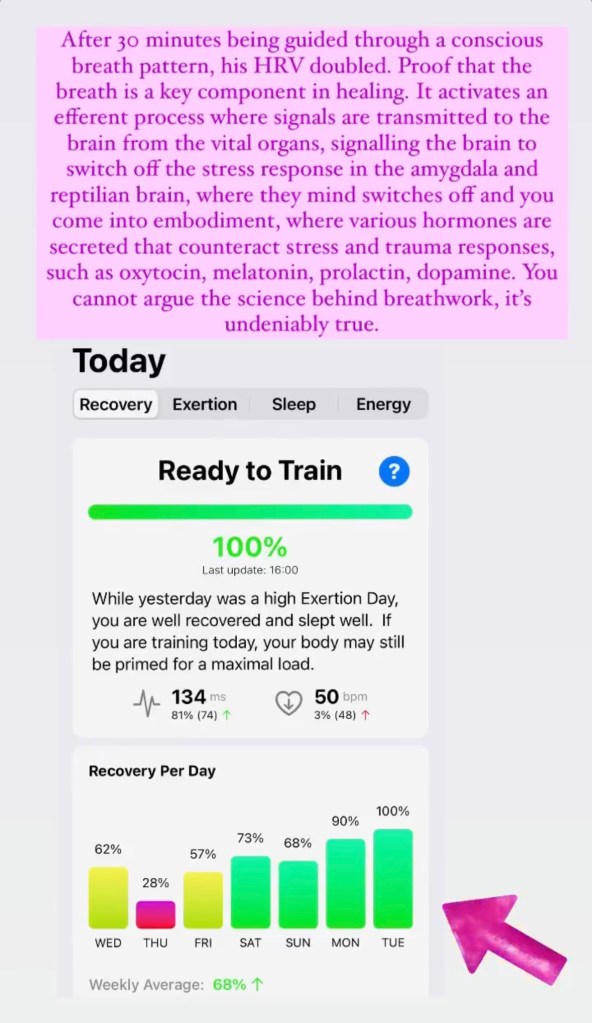
Feedback from clients who follow The Firefly Method







In summary…
- High HRV, variability between heart beats, is linked to cardiac resilience, good heart health and increased vagal tone, physiological resilience. This is associated with greater physical, emotional and mental wellbeing as well as behavioural flexibility and healthy window of tolerance.
- Low HRV, low variability between heart beats, is associated with chronic anxiety, stress and less ability to adapt to stress, cardiovascular disease, low immunity and illness, biological ageing, low mood, poor sleep and recovery, over training, and low window of tolerance.
 Firefly Somatics™
Leave a Reply