
Do you ever find yourself battling with persistent skin issues like acne, eczema, dermatitis, or dry skin? Have you noticed that your skin seems to act up during particularly stressful periods?
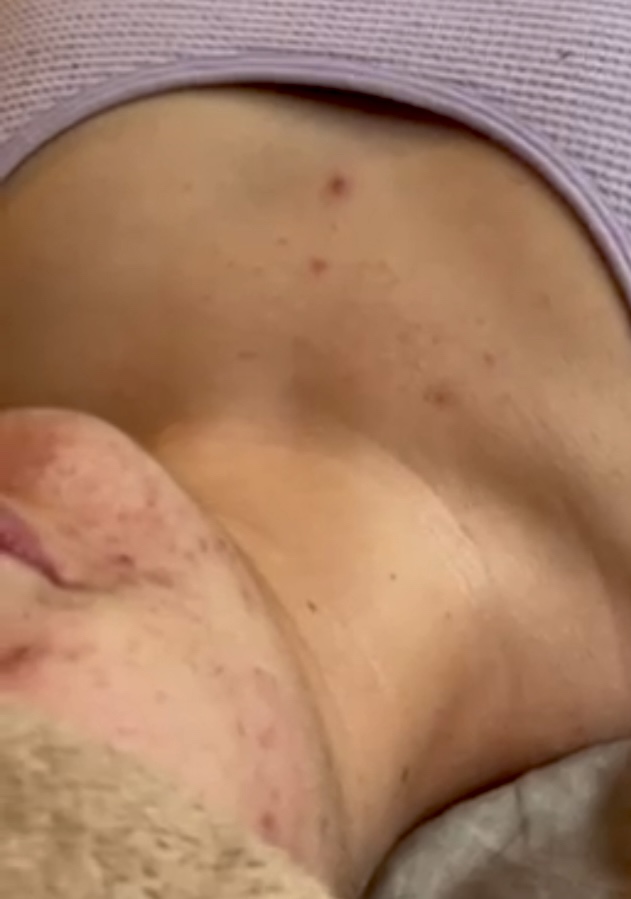
Research has increasingly highlighted the fascinating connection between our nervous system health and the health of our skin, a field known as psycho dermatology.

Studies have shown that a significant portion of dermatological issues, approximately 35%, can be attributed to underlying mental health issues (Schut, 2019). Conditions such as anxiety and depression can trigger inflammatory responses in the body, compromising the skin’s natural barrier function. This can manifest in various skin issues, including acne, rosacea, psoriasis, eczema, and even hair loss (Choi et al., 2017).
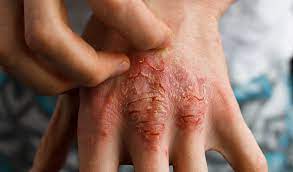
How does stress affect our skin? It all boils down to the complex interplay between our nervous system and our largest organ, the skin. When we experience stress, whether it’s due to work pressures, relationship problems, or other life challenges, our body’s stress response system kicks into gear. This involves the activation of the hypothalamic-pituitary-adrenal (HPA) axis, which leads to the release of stress steroids like cortisol and hormones such as adrenaline and noradrenaline (Arck et al., 2006).

An overactive HPA axis, commonly observed in individuals experiencing chronic stress or anxiety, can wreak havoc on our skin. Elevated cortisol levels can induce inflammation, irritation, dehydration, and exacerbate existing skin conditions. Essentially, our skin becomes a physical manifestation of our internal energetic and emotional state.
Danielle recently facilitated a client who is experiencing Psoriasis on the crown, a result of many internal imbalances, but primarily down to the neuroscientific fact that his nervous system is dysregulated – he is in cycles of stress mobilisation and burn out. His nervous system is cycling between a fight/flight and freeze state. Meaning he is constantly upregulated and autonomically then burning out and shutting down to recalibrate – his adrenal glands are producing high levels of stress hormones.. When this happens, nitric oxide (oxygen in our blood vessels) decreases less, resulting in lowered levels of fresh vibrant oxygen travelling to the skin as the body is prioritising oxygen to vital organs (as a means of self protection and to mobilise for threat).
How does over production of stress hormones affect our skin? Elevated stress hormone levels impact the skin in multiple ways.
- Inflammation: Prolonged elevation triggers chronic low-grade inflammation, worsening conditions like acne, rosacea, psoriasis, and eczema.
- Irritation: Cortisol disrupts the skin barrier, increasing susceptibility to sensitivity and discomfort.
- Dehydration: Cortisol decreases hyaluronic acid synthesis, leading to dryness and flakiness.
- Exacerbation: Existing skin conditions like eczema and acne worsen due to increased inflammation and compromised immunity during stress.
Stress-induced changes in blood pressure and circulation can further impact skin health. High levels of stress activation are often associated with elevated blood pressure and reduced blood flow to the skin. This diminishes the delivery of oxygen and essential nutrients to the skin cells, compromising their vitality and resilience.
So, what can we do about it? It’s crucial to recognise the holistic nature of skin health and prioritise self-care practices that address both our mental and physical well-being. Here are a few tips to consider:
- Nervous System Regulation: Incorporate stress-reduction techniques such daily Vagus Nerve Activation like The Firefly Method (this is KEY), psychosomatic coherence strategies, autophagy practises (e.g. intermittent fasting), cold immersion therapy (this will numb any itching or hot sensations), movement (e.g. biodynamic work, yoga, weight training, walking), immerse in nature, into your routine. These practices can help calm the nervous system and reduce the body’s physiological response to stress.
- Healthy Lifestyle Choices: Maintain a balanced diet rich in fruits, vegetables, lean proteins, and whole grains. An anti-inflammatory diet would be the best option, which is low in refined sugar, high in lean proteins and full of good HDL fats (e.g. Omega 3s, foods such as eggs, salmon, avocado, almonds, 80% dark chocolate, raw cacao). Adequate hydration, making sure to take vital supplements such as Omega 3s, Digestive Enzymes, minerals especially magnesium. Limit or eliminate caffeine intake as this elevates stress hormones. Avoid Spicey foods that will irritate the digestive system – you want to ‘cool down’ the internal state.
- Skin-Care Routine: Establish a gentle skincare routine tailored to your skin type and concerns. Avoid harsh products or over-exfoliation, as these can further irritate sensitive skin. Opt for products containing soothing ingredients like aloe vera, chamomile, or hyaluronic acid. Also use an emulsifier that has anti-oxidants in it such as E45.
- Self-Reflection: Take a moment to reflect on your emotions and stress levels when you notice changes in your skin. Are there any underlying stressors or triggers that could be contributing to your skin issues? By addressing the root cause and releasing the imprint, you can better manage both your mental and skin health. Your nervous system is merely communicating to you.
In conclusion, psycho dermatology sheds light on the correlation between our skin and our emotional well-being. By recognising and addressing the connection between stress and skin health, we can take proactive steps to nurture both our inner and outer selves. So, next time your skin is acting out, remember to look inward and prioritise self-care from the inside out.
If you are experiencing rashes, hives, mass cell activation, please follow the link to read the post on Hives and Histamine
References:
- Arck, P. C., Handjiski, B., Peters, E. M., Peter, A. S., Hagen, E., Fischer, A., … & Paus, R. (2006). Stress inhibits hair growth in mice by induction of premature catagen development and deleterious perifollicular inflammatory events via neuropeptide substance P-dependent pathways. The American journal of pathology, 168(1), 203-213.
- Choi, E. H., Brown, B. E., & Crumrine, D. (2017). Mechanisms by which psychologic stress alters cutaneous permeability barrier homeostasis and stratum corneum integrity. Journal of Investigative Dermatology Symposium Proceedings, 12(2), 33-37.
- Schut, C. (2019). Psychodermatology: a guide to understanding common psychocutaneous disorders. Primary Care: Clinics in Office Practice, 46(4), 619-631.
 Firefly Somatics™
Leave a Reply