
Conscious advice for people who weight train, from Ex Champion Athlete and Strength and Conditioning Coach. Danielle Hayes. She is the creator and founder of Firefly Somatics™, a Nervous System Specialist, with almost 20 years of experience in weight training, and 7 years professionally in health and fitness.

1. Carbs do not make you gain body fat
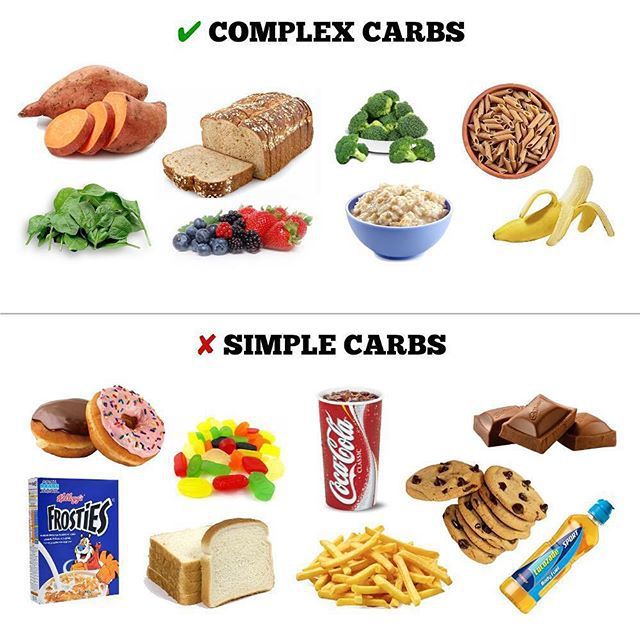
Surplus calories that exceed your BMR and TDEE fuel fat gain. Carbs are absolutely essential post training to fuel protein synthesis, muscle repair and growth, to restore muscle glycogen (stored carbohydrate reserves in muscle tissue).

Your muscle cells need sugar post training, your mitochondria use the sugar for fuel, to regenerate, with the help of the hormone insulin . Insulin breaks the seal on cell membranes so that the sugar can enter the cell, fuelling recovery and repair. The insulin acts as a shuttle for aminos acids (proteins) to create a much bigger anabolic affect.

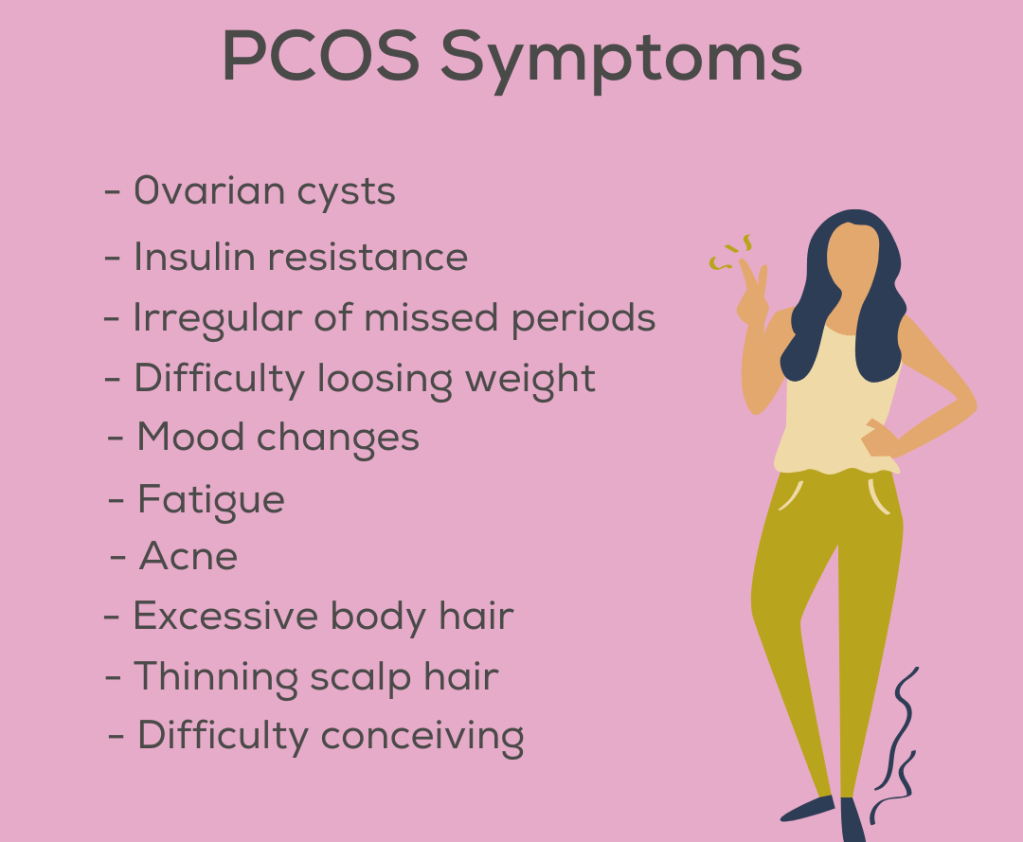
Insulin will only stay up for so long when glycogen has increased and the glycogon starts to increase. However… a lowered carbohydrate intake works very well for females with PCOS or who are Perimenopause due to insulin sensitivity and resistance.
How many grams of carbs should I have after training? This is really dependant on your goal and intention, and also the level at which you are training (and depleting carb reserves). A good starting point is 20-40grams of complex slow releasing carbohydrates (low glycaemic), taken in conjunction with 20g of protein. This may look like, a chicken breast (150g-175g raw uncooked weight) with a medium sized (150-180g uncooked weight) sweet potato.
2. Cold Exposure post training will inhibit muscle repair and growth
Think consciously about it… cold exposure restricts blood flow & oxygen to muscles and thus intense cooling reduces amino acid uptake and significantly lowers protein synthesis rates after training. I’m seeing this everywhere, with cold plunging fashionable. I love cold immersion for its various benefits, and I use it regularly in my own self care practise.
But I NEVER implement cold shock after training….
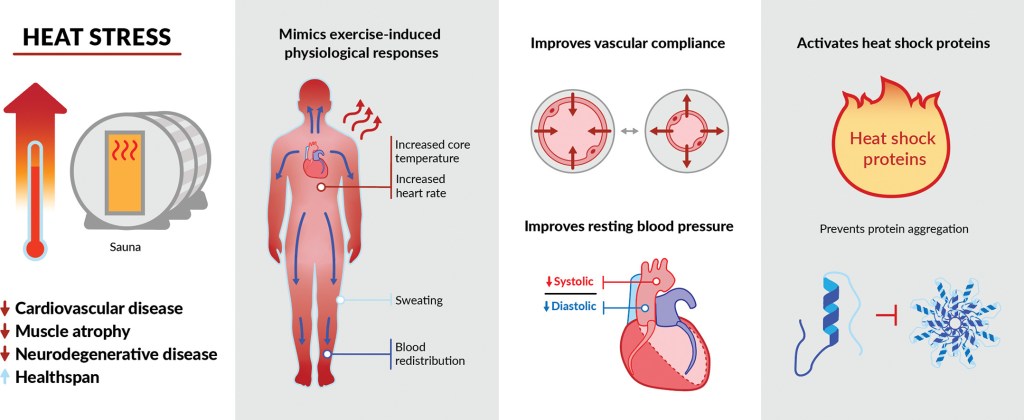
The goal post training is to fuel fast recovery, both on a Nervous System basis and somatically. Weight training induces stress response activation, which means tonnes of glucocorticoids will be flushing around the bloodstream. Bringing the system into a ventral vagal recovery state is essential. The best thing to do post training is to expose your system to heat eg bath, hot sauna, infra red sauna, to assist better oxygenated blood flow through the system.
While REST is essential, to allow your nervous system, both central and peripheral, to recover and recalibrate after being mobilised, drawing you into the green zone.

3. Neuromechanics should be at the forefront
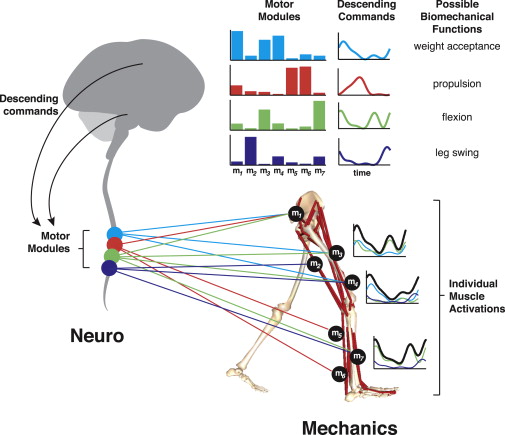
Neuromechanics refers to how the nervous system and the musculoskeletal system interact to plan and perform body movements. Sometimes referred to as Biomechanics. Every voluntary move we make is planned out by our brain, which sends signals through our nervous system to trigger our muscles to execute different tasks (called synergies). While neuromechanics is a subsection of biomechanics, assessing how your nervous system controls the generation of your muscular force and the production of voluntary movement is essential for healthy and longevity, correct sequencing, so as to avoid injuries and physical pain due to poor firing and poor execution. Understanding patterns a person’s neural activity that generate their movements helps to identify sensorimotor deficits and ones motor variability, if there is imbalanced neural firing of particular muscle groups and hence low level muscle activation patterns and misaligned sequencing.
This is me speaking from my own experience enduring various training injuries (i.e. popped my sacroiliac tendon in a competition meet; QL’s imploding due to poor activation of the Psoas and Hip Flexors; 2 x grade 2 hamstring tears; broken left ankle; crushed the joint of my middle finger right hand) due to poor sequencing, deficit motor activation and imbalanced neuromuscular firing. My patterns have also been conditioned to Powerlifting (bracing, tight trunk, poor lumbar mobility, strong adductors and weak abductors), as well as Bodybuilding (no lockout, Time Under Tension, pulsing), and Crossfit (just pull the damn weight, never mind form!). I also experienced two huge physical traumas to my left hip joint, one which left me with a Haematoma and damaged femur (where struggle to externally rotate my left hip).

Unless consciously unlearnt via neurophysiology plasticity practise, people walk around in bodies that are in conditioned patterns from childhood, while genetic disposition will be a factor too. I know this was the case for me!

Lower back issues (L4-5, nerve S3-5) run in my family. My grandfather wore a brace as a young man for spinal traction, my mother operates daily with 3 bulging discs and incremental sciatica, while my brother broke his spine (l4-5) THREE times and was left with no motor power in the leg each time. I, myself, have struggled with low back pain my whole adult life, as a result of poor neuromechanical patterning. My mother told me as a child, I was always falling over. I have weak ankles while I am knock knee, (genetically predisposed from my father’s family line) a condition in which the knees tilt inward while the ankles remain spaced apart. Although I am training for 20 years, I’ve never consciously addressed my neuromechanics and biomechanics. Not until now, in divine timing.

I draw on my lived experiences in healing my own vessel, to help guide others and open the awareness to them. For me right now, neuromechanical issues are at the forefront of my personal healing journey. What I am currently healing. clients will also benefit from as I can share the wisdom and knowledge gained through experience. Personally I am going through another opening and layer of enlightenment as I rewire neuromechanically from poor anterior engagement and weak Psoas mobilisation
Generally…. We learn neural mechanics and motor skills from early childhood. We learn patterning, through what’s called mirroring, from our primary caregivers as we see them walk in front of us constantly all through life. Secondarily we learn through the system. All that sitting at a school desk from Primary School all the way through Third Level Education, for hours every day, has a knock on effect to mechanical patterns. Low back pain being imprinted from lack of movement, poor core engagement, sitting putting us in forward position, thereby weakening muscles that stabilise our spine and trunk. Our bodies were not made to be imobile. We are intrinsically hunter gatherers. The evolution of westernisation, industrialisation and capitalism has changed this path for us, on all levels – neurobiologically, mechanically, psychologically, physiologically.
Doesn’t it make sense?
4. “Women should not weight train when in bleeding”
Wrong.
It is well known that the menstrual cycle has a huge impact on female metabolic state, energy and mood. As such, going through the different stages of cycle, it is best adjust training regime and macronutrient intake accordingly to suit how you are feeling. By taking into account how your cycle impacts you during various points in the month, you can make your training work with you rather than against you.
To clarify, there are 4 phases: follicular, ovulation, luteal, and menstrual. The cycle begins immediately after you finish menstruating with the follicular phase, lasting 14 days. This phase is characterised by increasing estrogen, normal progesterone, and an average body temperature. Following this is ovulation, and is characterised by peak estrogen levels, increased progesterone and raised body temperature. From day 15 to 28, you’ll enter the luteal phase. This is when estrogen levels are reducing, progesterone is increasing, and your body temperature remains higher than normal. Menstruation then follows to kick start things off all over again.

So what should I do?
As a 37 year old woman, on a healing path 10 years, who had PMS issues and irregularities since teen years (that is, until I regulated my nervous system), while I’ve been weight training for almost 20 years…. Let me tell you, being in tune with your body and cycle is crucial for overall well being. No one is in your body, but you! Being self aware and in coherence with your vessel is pivotal to being in Self Mastery and connected to your “Divine Femininity”. No “coach” can tell you how you feel in your body, especially a man who has NO lived experience of menstruation. They can merely only guide you based on what the books have taught them. Take your power back! If you want to feel good in your skin, listen to what your body is communicating across. Connect to whole body awareness, regulate your system and endocrine responses, work with your natural flow, and do not battle against it.
Below I share some advice around menstruation, hormones, training and nutrition cycling, based on my own lived experience of finding what worked best for me and my beautiful miraculous body.
The Follicular Phase: when it comes to training during this phase, focus should be on lifting at max weight and increasing complex carbohydrate. During this phase, we have a higher tolerance for pain and have better endurance levels. Your body will be more likely to use muscle glycogen to fuel your resistance training, making a higher carbohydrate intake crucial for replenishment and repair. Insulin sensitivity levels will be higher during this phase, which will cater for this higher carb influx. With that in mind, your sessions can be intense and carb-depleting as your body will be more prone to using those carbs to fuel lean muscle gains.
The Ovulation Phase: during this phase, strength levels and sheer force capacity will be really high. I’ve actually hit many PBs and PRs during this period. Your metabolic state will be increasing at this point, so if you’re feeling hungrier, understand that this is likely why. You may raise caloric input to fuel this increased hunger, but please be cognisant of food choices. Attain these calories from healthy source foods as insulin sensitivity will be starting to decline.
The Luteal Phase: in this phase we feel fatigued and lethargic, low energy and mood. During the luteal phase, your body temperature is higher than normal, endurance levels decrease, and as such, there is a reduction in time to exhaustion. In addition to this, many including myself regain excess water weight, making it more uncomfortable to perform intense exercise. I usually opt for moderate intensity sessions. In terms of nutrition, the body will rely more heavily on fat as a fuel source instead of muscle glycogen. It makes sense then to train in a way that will utilise fat as fuel, and perhaps stimulate fat loss. You can do this by swapping a higher carb input for a higher good HDL fat to compliment the transition. The increased fat intake will help to regulate your blood sugars as cravings are normally high during this phase. Adding to this, serotonin (happy hormone, released by the endocrine cells in the gut lining) production will be lower, and that can reduce mood and heighten irritability. Your natural instinct will be to eat more carbs as they cause a rapid release of serotonin, instantly providing a mood boost. However, due to insulin sensitivity now being at its lowest and the fact the intensity of your sessions will be lower due to higher fatigue levels, it is crucial that your keep your carb intake under control.
The Menstruation Phase: you will start to feel like your ‘normal self’ again, although all versions are a mirror of you. However, PMS symptoms will subside, body temperature will start to level off, and water retention will clear. You will feel lighter, clearer, better mood, more energy. With that in mind, you can now begin to transition back to more intense workouts as you move back into the follicular phase. Your metabolism will be on its way down too and insulin sensitivity will be increasing, so a transition back to higher calories and a more balanced macro mix is a good course of action here.
To summarise
Moral of the story… get to know your body, your nervous system, your motor patterns, your biomechanics, your cycle (for females), what macronutrients and supplements your body needs. Make sure any programme you follow, is subjective, and uniquely designed for you and what your body needs, to be in more balance in all aspects.
 Firefly Somatics™
Leave a Reply