
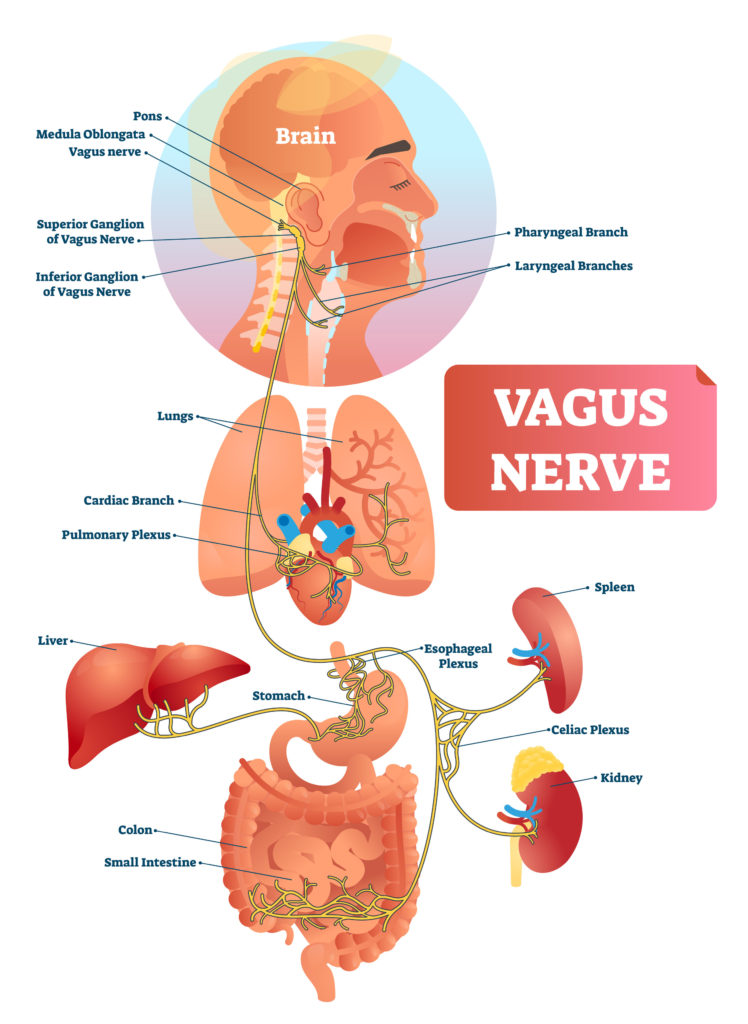
1. It’s named Vagus because it “wanders” around the body like a vagabond. Vagus means wander in latin. It is the longest of the cranial nerves, and operates a vast network of fibres stationed like a spider web around all your organs.

2. It serves as a two-way communication channel between the brain and the heart, lungs and abdominal organs, plus structures such as the oesophagus and voice box

3. It sends out sensory fibers from your brainstem to these visceral organs and controls your inner nerve center, the PNS, parasympathetic nervous system
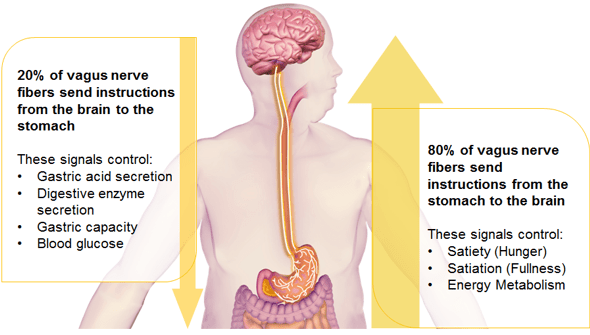
4. It oversees a vast range of crucial functions, communicating motor and sensory impulses to every organ in your body. It control involuntary processes including breathing, heart rate, digestion and immune responses.
5. It is an important part of the parasympathetic nervous system, which governs the “rest and digest” processes, and relaxes the body after periods of stress or danger that activate our sympathetic “fight or flight” responses.
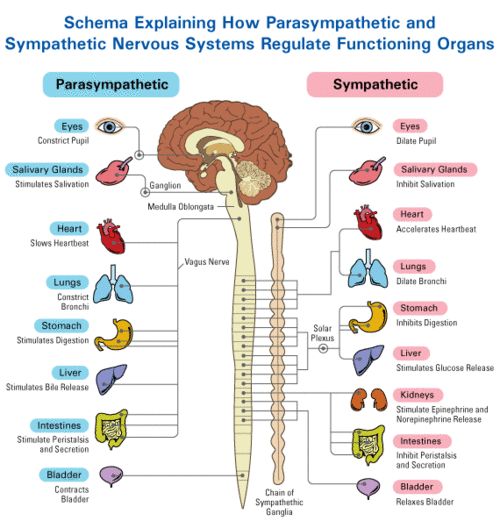
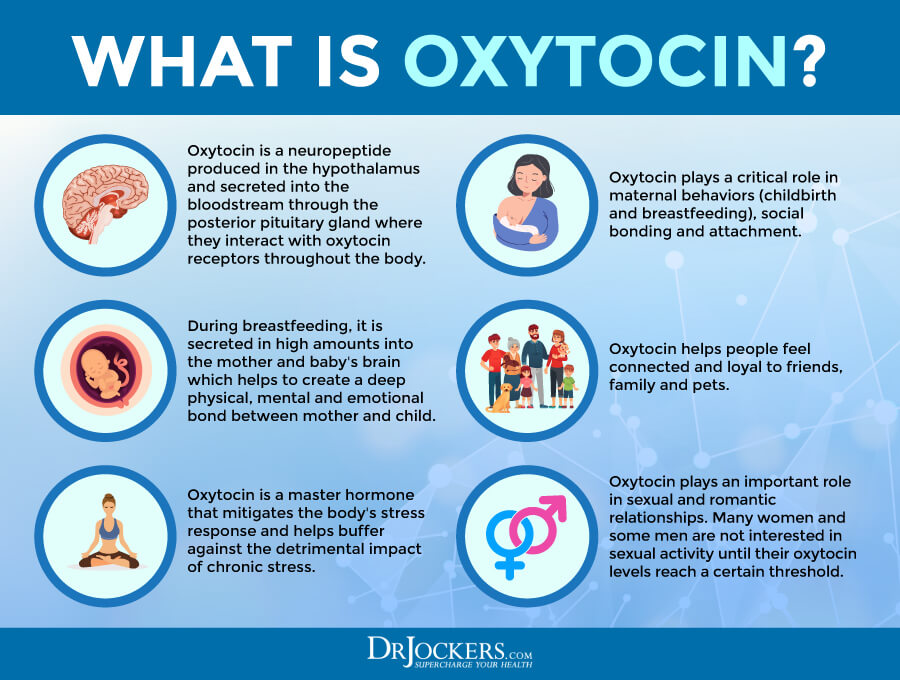
6. It counteracts stress response by releasing the neurotransmitter acetylcholine, enzymes and proteins such as prolactin, vasopressin, serotonin, melatonin, and oxytocin, which all help promote calm and relaxation
7. Its function is essential to the release of various hormone’s, including norepinephrine. prolactin, oxytocin, testosterone, and vasopressin. Vasopressin is a pituitary hormone, also known as the antidiuretic hormone (ADH). It’s synthesised in the hypothalamus and secreted from the posterior pituitary gland. Its primary function is to promote the water reabsorption in the renal tubule of kidneys. Vasopressin decreases water excretion by the kidneys by increasing water reabsorption in the collecting ducts. It has a huge constricting effect on arterioles throughout the whole body.

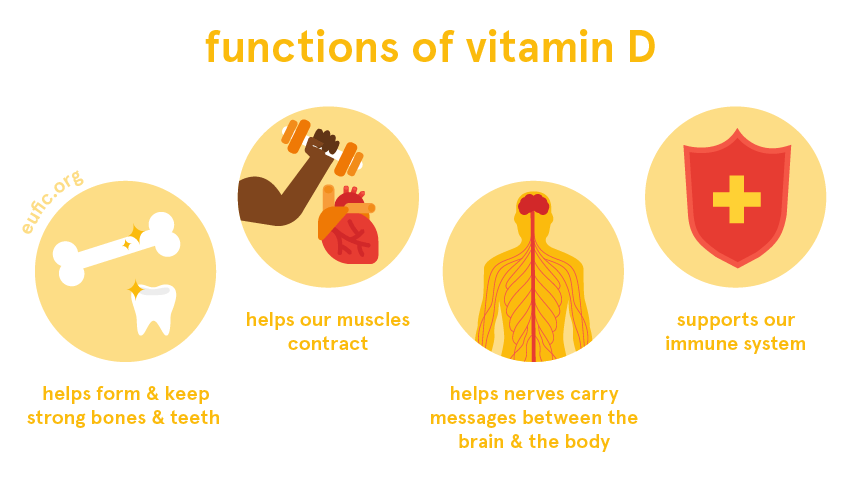
8. The production of growth hormone (GHRH) and the activation of parathyroid hormone for converting vitamin D3 to active vitamin D also rely’s on the functionality of the vagus nerve
9. Its activation leads to the release of acetylcholine (ACh) at the synaptic junction with secreting cells, intrinsic nervous fibers, and smooth muscles. Acetylcholine binds to nicotinic and muscarinic receptors and stimulates muscle contractions in the parasympathetic nervous system. Essentially, the neurotransmitter excites the muscle cells.
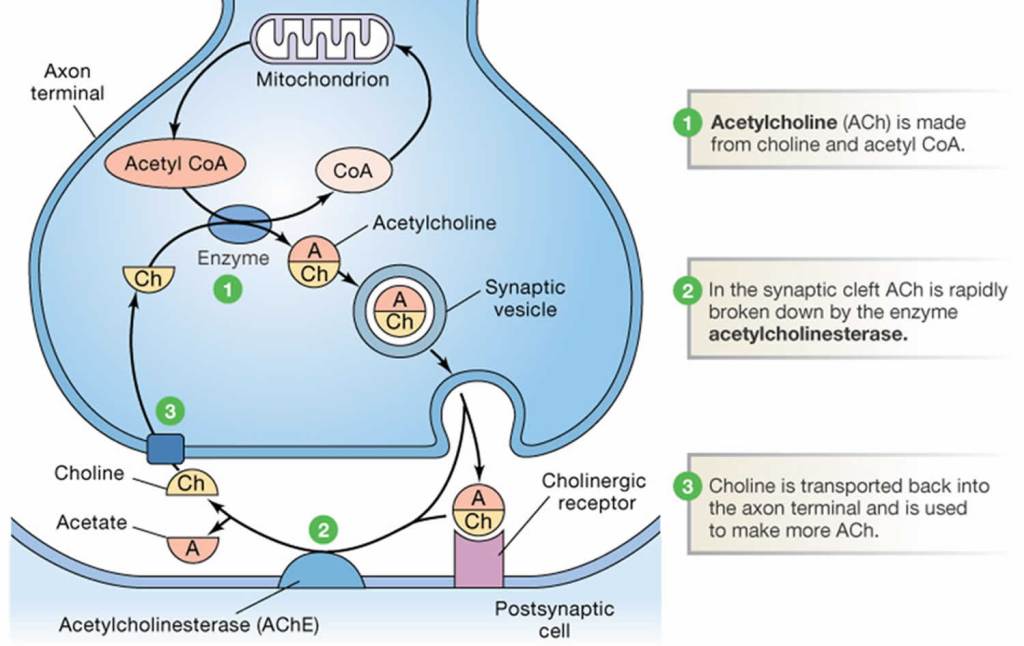
When this happens, the nervous system moves into an involuntary movements, as shown below.
10. The peripheral nervous system pools of oxytocin are under control of the autonomic nervous system. With activation of the vagus, a decrease of sympathetic nervous activity incurs. This in turn signals the release of oxytocin and fragments from the blood vessels. The vagal nerve stimulates the release of oxytocin from the gastrointestinal tract.
11. The vagus nerve is a neuromodulator. It activation helps to restore autonomic nervous system balance.
12. It is the missing link to treating chronic inflammation and other serious, incurable diseases such as Rheumatoid Arthritis. Refer to Beth’s story on the testimonial page, who with Firefly Somatics Protocol, healed naturally from RA in 9 months, having being in diagnosis for 7 years and on a rollercoaster of various medications.
The vagus counteracts stress and signals the secretion of hormones that reduce stress and decreases inflammatory responses. When it gets a signal for incipient inflammation, such as the presence of cytokines, it alerts the brain and draws out anti-inflammatory neurotransmitters that regulate the body’s immune responses.
13. As it signals anti inflammatory hormones, it reduces glucocorticoids rushing around the brain, helping with healthy brain activity and promoting memory. this in turn deduces the activity of the amygdala in the brain, a gland that widens our smoke detectors and signals the nervous system to shift into mobilisation. Adrenaline then decreases hippocampus activity, interfering with memory processing, retention and retrieval.
Stimulating the vagus strengthens your memory. Vagal activation changes our brain waves, helping to reduce brain wave activity from fast pace to a slower one.

The release of the neurotransmitter Acetylcholine and various neurohormones into the brain helps to consolidate memories. These anti-inflammatory hormones can work in small concentrations daily to allow an individual to focus better and have more capacity to store memories.
Vagal toning assists in the regulation of attention and cognitive function, as well as neurobiological stress reactions. It helps to regulate the neurotransmitter and hormome, norepinephrine. Under normal circumstances, norepinephrine plays an important role in the brain in maintaining wake cycles, increasing attention, and participating in memory storage. When regulated, it helps a person to feel energised and awake. During stressful events, norepinephrine results in an increased rate of oxygen delivery to the brain, which provides it with the resources it needs to respond quickly to external stimuli. So what happens if I am always in stress response? This neurohormone is overactive, in hyperarousal, signalling the rush of O2 to the brain, keeping the amygdala on high alert. This also may lead to a burnout and low levels of the neurotransmitter, which can result in depression and enhance poor memory.
This all could very well be the missing link to treating Alzheimer’s disease and Dementia!
14. Stress responses signals the pancreas to increase blood sugars, as a means to mobilise the body for threat. it takes a lot of energy to fuel stress! If we are always in stress sympathetic response, be sure blood sugars will be in a constant wave of high (hyper) and low (hypo), and never stable. Its common that people who are in dysregulation also have issues with cravings, food and stimulant use. Sugar cravings and coffee addiction is common. It’s this simple… the body craves to stay upregulated as it is already in hypermetabolic state! So when you’re craving sugar or caffeine, ask yourself, am I stressed?
Vagal toning helps to calm the system out of stress thereby reducing blood sugar levels and thus the hormone insulin. With blood sugar regulation, the hormone glucagon is regulated. In regulation, the cravings subside. This is the missing link in treating Diabetes, type 2 in particular.
15. The Vagus Nerve supports healthy hormone balance
Cortisol levels:
When the body experiences stress, the hypothalamus releases a hormone called corticotropin-releasing hormone (CRH), which signals the pituitary gland to release adrenocorticotropic hormone (ACTH). ACTH then stimulates the adrenal glands to release cortisol.
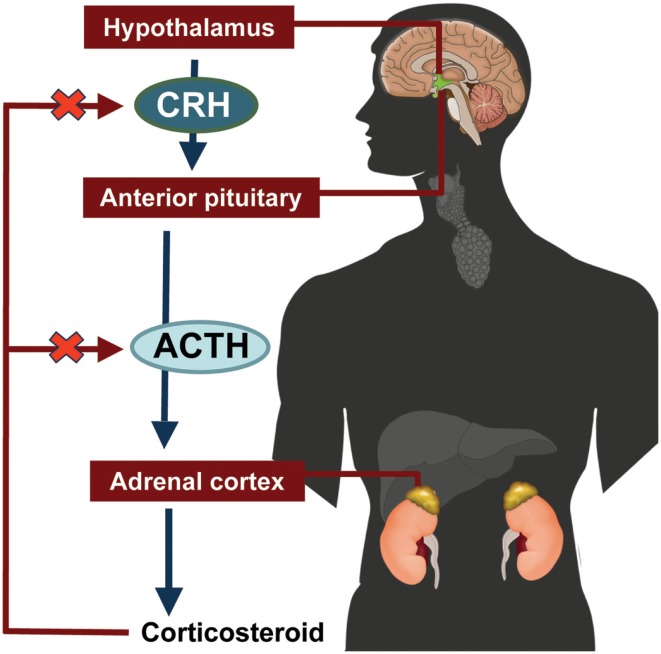
The vagus nerve plays a key role in regulating this process by sending signals to the hypothalamus and other parts of the brain that help to modulate the stress response.
Insulin:
The vagus nerve has direct connections with the pancreas, which produces insulin.

When the vagus nerve is stimulated, it can increase insulin release and promote healthy blood sugar regulation. The vagus nerve also plays a role in regulating appetite and digestion, which can impact blood sugar and insulin levels.
Sex hormones:
The vagus nerve plays a role in regulating the menstrual cycle and the release of sex hormones such as estrogen and progesterone. The hypothalamus releases gonadotropin-releasing hormone (GRH), which signals the pituitary gland to release follicle-stimulating hormone (FSH) and luteinizing hormone (LH).
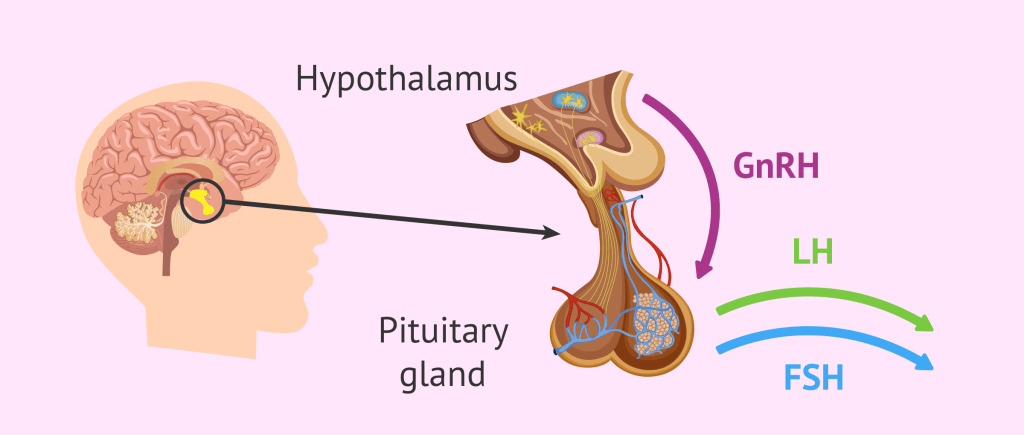
These hormones stimulate the ovaries to release estrogen and progesterone, which play critical roles in regulating the menstrual cycle and reproductive function. The vagus nerve can impact this process through its influence on the hypothalamus and other parts of the brain that help to modulate the release of GnRH.
Thyroid function:
The hypothalamus releases thyrotropin-releasing hormone (TRH), which signals the pituitary gland to release thyroid-stimulating hormone (TSH).
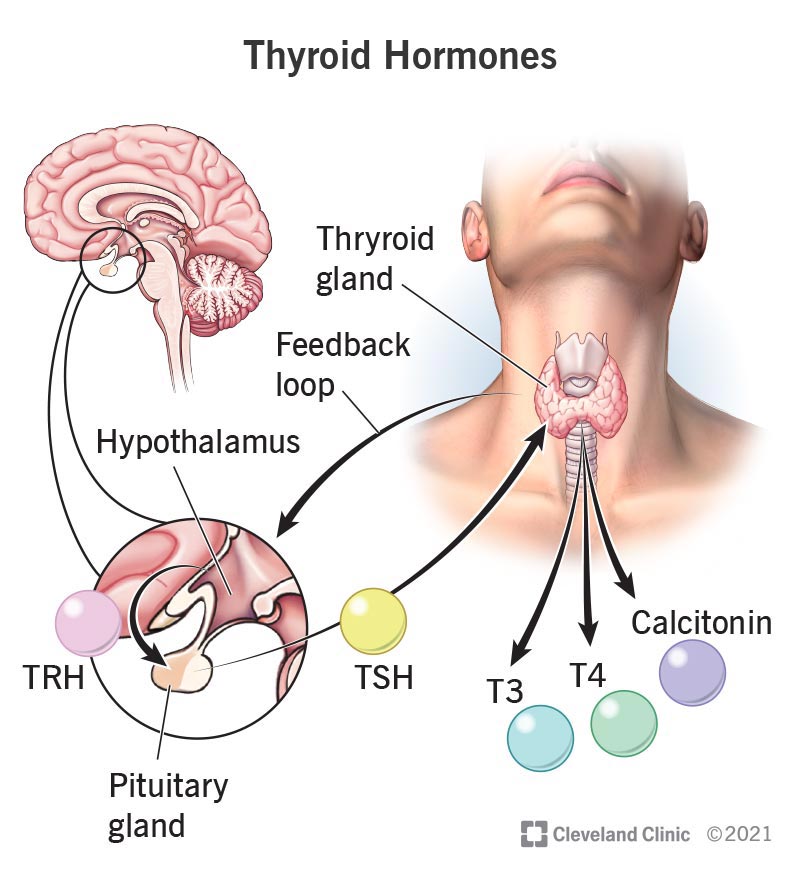
TSH then stimulates the thyroid gland to produce and release thyroid hormones, primarily thyroxine (T4) and triiodothyronine (T3). The vagus nerve plays a role in regulating this process by sending signals to the hypothalamus and other parts of the brain that help to modulate the release of TRH and TSH. Stimulating the vagus nerve (see previous post!) can help to support all of the above hormonal processes!
 Firefly Somatics™
Leave a Reply