
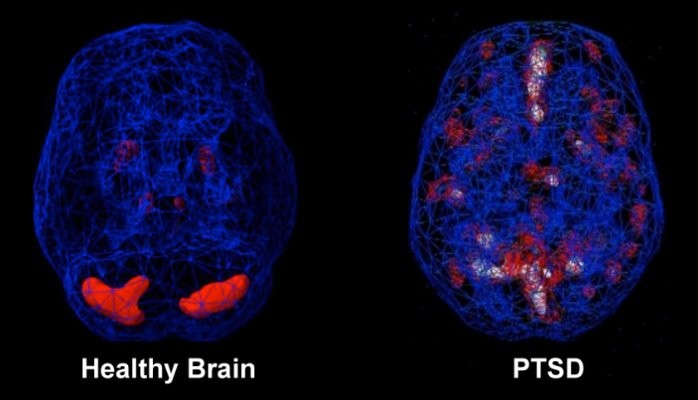
PTSD is a condition that’s caused by an extremely stressful or terrifying event. It can occur in people who have experienced or witnessed (both primary or secondary) a traumatic event, series of events, or set of circumstances. PTSD (both acute short term and complex long term) is the outcome of unresolved overwhelm within the system. The event was so overwhelming to process, that it leaves the person with psychophysiological imprints that has caused changes in their brain architecture, and the functioning of their body.
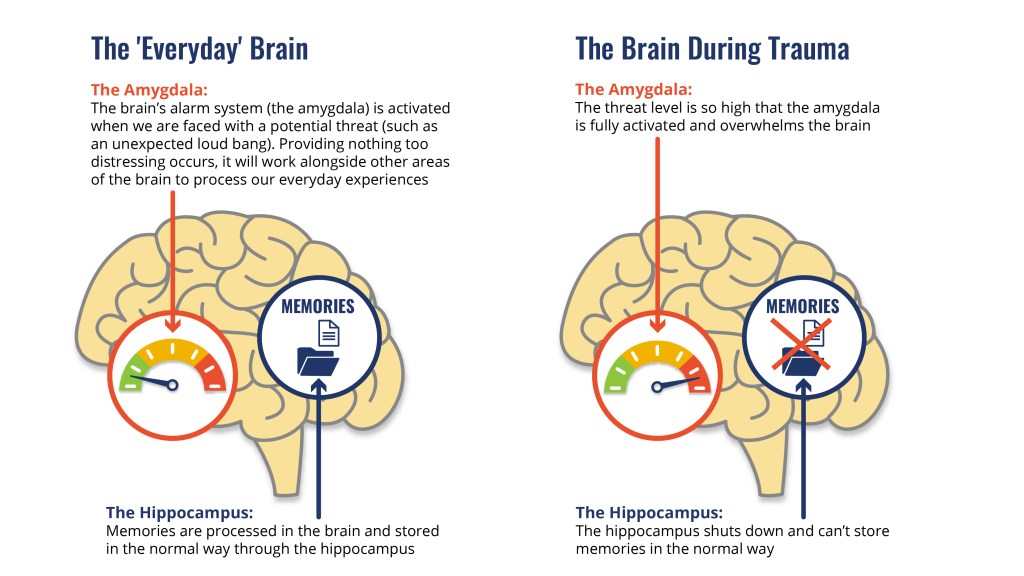
People experiencing PTSD tend to have a much higher sympathetic nervous system (stress) response which can lead to elevated heart rate, higher blood pressure, shortened breath patterns, irregular blood glucose levels, severe gut issues.
Examples of traumatic events include (but are not limited to):
- Traumatic accidents, like a car or motorcycle accident – can be primary involved or secondary viewer of the incident
- Severe injury or sudden extreme illness.
- Natural disasters, such as a tornado, earthquake, fire or flood.
- Physical and verbal abuse.
- Sexual assault or abuse.
- Intense Bullying.
- Sudden Loss e.g. relationship breakdown
- Sudden death of a loved one.

To receive a PTSD diagnosis, the symptoms are usually to last for more than 4 to 6 weeks, causing distress to your overall daily function. Generally people experiencing PTSD are in the top part of the bell curve according to Polyvagal Theory. This pertains to a freeze state experience within the body, and the associated symptoms of overwhelm and ‘I can’t’. Some may also be in a blended state of Freeze (dorsal vagal) and Sympathetic (fight flight), never being able to reach or access regulatory states through the Vagus Nerve i.e. they may be in an ongoing repetitive pattern and cycle of activate and shut down.

The symptoms of PTSD fall into diagnostic criteria and four main categories.
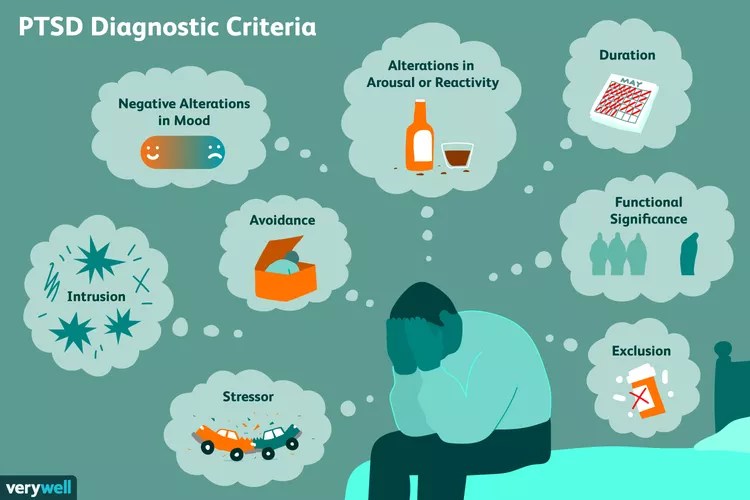
Intrusion:
- Intrusive thoughts, repeated and involuntary memories.
- Nightmares and night terrors
- Vivid and almost real like flashbacks
Avoidance:
- Avoiding reminders of the event, like associated people, places, activities, things and situations.
- Avoiding remembering or even thinking about the event.
- Avoiding talking about what happened
- Avoiding how you are feeling after the event
Changes to Thinking and Mood Patterns:
- Ongoing fear, horror, anger, guilt, self blame, shame.
- Memory loss of important aspects of the event and also daily life
- Ongoing distorted thoughts and feelings about self, others and the world.
- Distorted thoughts and feelings about the cause or effects of the event, which usually leads to blaming self or others.
- Feeling detached and dissociated
- Inability to feel and access joy and please
- Being unable to experience positive or light emotions.
Changes in Arousal and Reactivity levels:
- Irritability, frustration, anger outbursts.
- self sabotaging or self-destructive behaviours.
- Being overly watchful of people and surroundings (hypervigilance).
- Being easily startled or shook
- Poor concentration and attention
- Poor sleep
Psychosomatic Therapy that involves Nervous System Regulatory work, as well Recall Protocols for Memory Processing and Integration, where both the mind and body are addressed in a coherence state, relieving somatic imprints induced from the event, can resolve these issues and bring the individual back into a healthier baseline.
 Firefly Somatics™
Leave a Reply