

It is a hard reality that due to many reasons, including overproduction, our food sources lack the vital nutrients that our system’s absolutely need in order to be and remain healthy. Ingesting supplements alongside a healthy balanced diet is pivotal to our overall well being.
The body is a complex ‘machine’. It requires a multitude of parts all working together in complicated relationships from both a micromolecular to macromolecular level. The structure of its building blocks that make up the sum of these parts, such as protein and nucleic acids, is determined by the proportion and interaction of these chemical elements. 99% of the body is comprised of six elements: Oxygen, Hydrogen, Nitrogen, Carbon, Calcium, and Phosphorus (all of the elements that make up the Universe) Another five elements make up 1% of the remaining mass. These include, sulfur, potassium, sodium, chlorine, and magnesium. All of these 11 elements are essential elements.
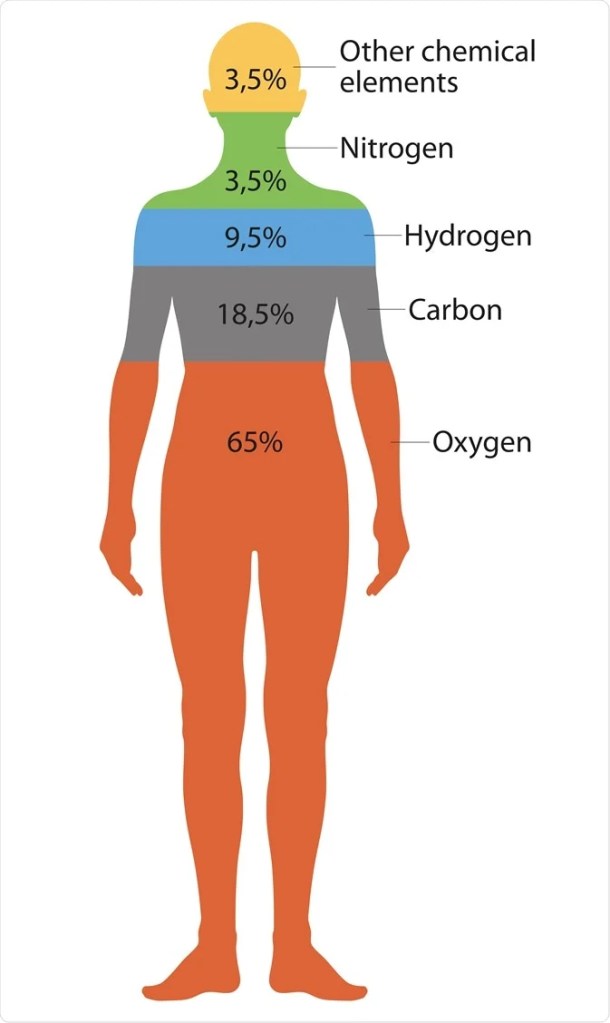
How do you expect to live in a healthy balanced body if you are not taking in the essential compounds and components that it requires to make such that? A diet with good macro and micro nutrient balance alongside supplementary intake is pivotal. The body needs 20 different essential amino acids – molecules used by all living things to make proteins – to function correctly (protein is the body’s building block). Our cells, while 80% water, constitute molecules such as proteins, lipids (good fats) and carbohydrates, minerals, and vitamins. Your body needs adequate minerals (macro and trace) and vitamins to make up the body’s essential enzymes (catalysts) and hormones. Your Endocrine Glands requires amino acids to produces protein-derived hormones, peptide hormones.

Here are my supplementary recommendations. In conjunction with healthy eating. there supplements will help with cellular and nerve functioning, DNA production, help assist in healing hormonal imbalances and aid positive gut bacteria and flora.
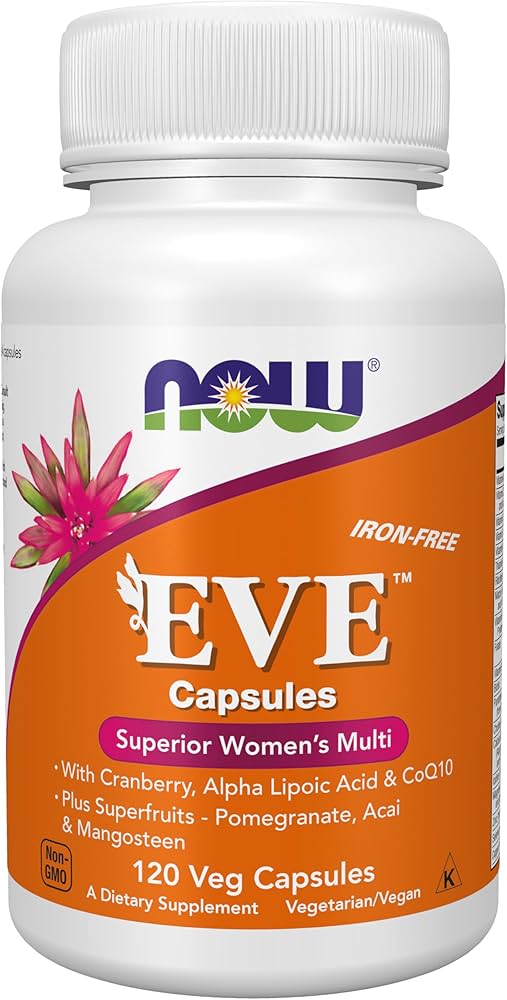
1) Multi-Vitamin

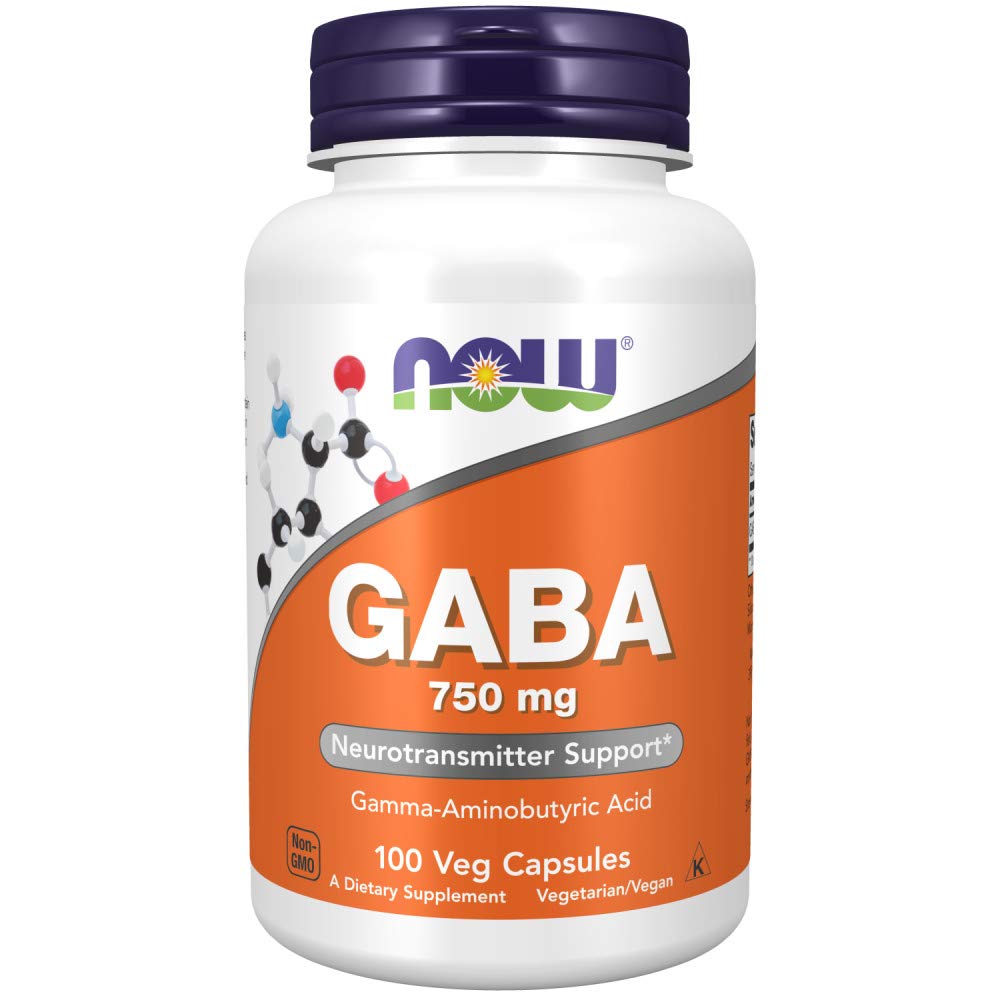
2) GABA
GABA is a neurotransmitter, a chemical messenger in your brain. It slows down your brainwaves by blocking specific signals in your nervous system. It plays a major role in controlling nerve cell hyperactivity associated with anxiety, stress and fear. It plays a vital role in maintaining balance in the brain by controlling neuronal activity. When the neurotransmitter GABA binds to its receptor, it opens a channel that allow chloride ions (CI) flow into the neuron, reducing its activity, helping to calm the nervous system. This receptor is made up of various subunits (a, B, v, and others), which influence its specific function.

3) Vitamin D3
This is a fat-soluble vitamin that helps your body absorb calcium and phosphorus into the blood. It helps to strengthen the bones and supports your immune system in fighting pathogenic responses.

4) Vitamin B12
B12 plays an essential role in red blood cell formation, cell metabolism, nerve function and the production of DNA, the molecules inside cells that carry genetic information.

5) Pro-Biotic
Probiotics are live bacteria and yeasts that have beneficial effects on your body. These species already live in your body, along with many others. Probiotic supplements such as Dr Udo’s Super 8 will add to your existing supply of positive microbes. These will help fight off the less friendly types and boost immunity against infections, while also improving the brain-gut highway (including enhancing intuition).

Did you know…
About 90% of serotonin is found in the cells lining your gastrointestinal tract. This is your happy hormone! And…. 70 to 80% of the body’s immune cells are active in the gut. There is an intricate interplay between the intestinal microbiota, the intestinal epithelial layer, and the local mucosal immune system
6) Omega 3 fish oils

Omega fatty acids helps to lower blood pressure, reduce triglycerides in the blood, helps to reduce inflammation while nourishing brain and eyes functioning. They also help to stabilise blood sugar levels. They help all the cells in your body function as they should. They’re in fact a vital part of the cell membrane, helping to provide structure and supporting interactions between cells.
7) Magnesium
Some 300 or so enzymes in the body require Magnesium ions to function properly. Magnesium ions interact with compounds such as DNA, RNA, and ATP. Your cells need Magnesium has a high absorption rate. Meaning, its used as a lock and key – it helps the cells to absorb and draw in other chemical compounds needed to function correctly. Sleep hack – if you take it an hour or two before bed, it’ll help with sleep! It helps with relaxing the body by interacting with certain neurotransmitters that help to decrease cortisol levels (stress hormone) and increase melatonin (sleep hormone).

In fact…. 100% Raw Cacao is also a rich source of Magnesium. It’s full of anti-oxidants and promotes healthy gut flora.

It is is replete with flavonoids, a group of antioxidant compounds that can help combat oxidative stress in the body. While it has a mineral rich content; It’s a commendable source of other essential minerals like iron, potassium, and zinc.
8) Creatine
Creatine is a natural source of energy that creates a steady and continuous supply of energy to your cells. About half of your body’s supply of creatine (1 to 2 grams/day) is derived from diet, especially protein-rich foods. Your body produces the other half then naturally in your liver, kidneys and pancreas. They then deliver about 95% of the creatine to your muscles while the remaining travels to the heart, brain and other tissues including the fascia.

Some of the benefits of creatine:
- Speeds up muscle recovery – creatine helps activate satellite cells in your muscles, which helps any micro-tears to heal.
- Increases anabolic hormones – anabolic hormones contribute to growth and tissue repair. They include insulin, hGH (growth hormone), estrogen and testosterone.
- Boosts water content in cells – Better cell hydration increases healing, repair and growth and reduces dehydration
- Improve Brain Function – the brain requires a significant amount of ATP to function optimally and healthily. Creatine can increase phosphocreatine stores in your brain which help it produce more ATP. This contributes to strengthening memory processes in the brain.
- Improve Nervous System health – -neurons carry out many processes that require energy. It has been shown that exogenously administrated creatine increases energy supply to neurons (Ref: Persky and Brazeau, 2001; Rawson and Volek, 2003; Klivenyi et al., 1999)
9) Vitamin K2
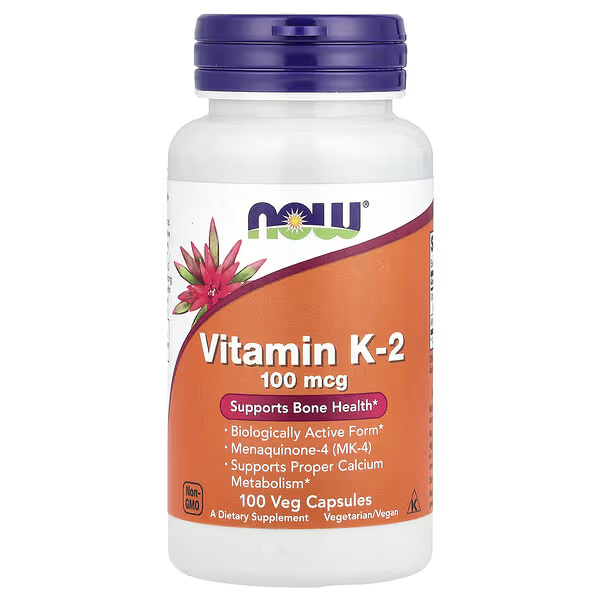
Vitamin K2 is a fat-soluble vitamin that plays a crucial role in calcium regulation, cardiovascular health, and cellular function. K2 supports the nervous system by promoting healthy nerve function and cellular signalling, which can enhance vagus nerve tone and parasympathetic regulation. By aiding in optimal neural connectivity and reducing systemic inflammation, it creates a physiological environment conducive to neuroplasticity, allowing the brain and body to rewire stress responses, release trauma patterns, and strengthen mind-body integration.
When is the best time to take supplements?
- In the AM: electrolytes, creatine and probiotic – I like to take these fasted upon waking
- The remaining can be taken after meal 1
- DO NOT take any supplements on an empty stomach.
- I usually recommend taking Omegas3 (depending on DHA and EPA) with 3 main meals
- GABA and Magnesium 60 to 30min before bed to aid recovery in sleep
- It’s important to know that each individual body is unique and supplementary intake and timing can differ between each person
 Firefly Somatics™
Leave a Reply