
Inner child work involves healing emotional wounds in the psyche created from traumatic or adverse childhood experiences. These wounds can be triggered by fear, anxiety, lack of control, abandonment and grief. Inner child healing is multifaceted, many theorists have written about and even formed theories on the basis of childhood, child development and the importance of our early years.
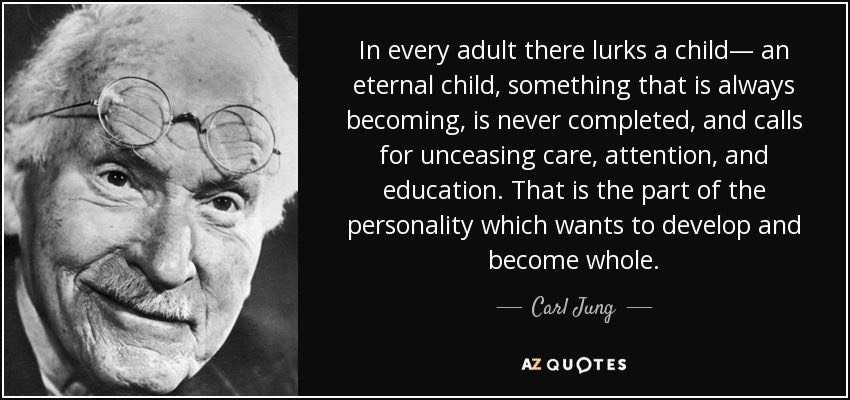
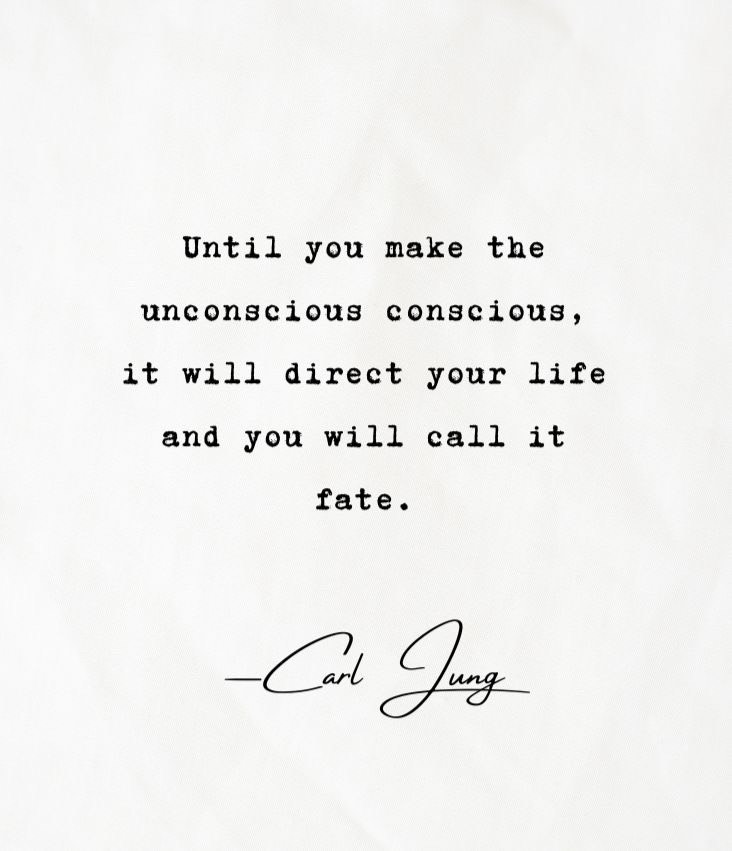
Jung in his work on archetypes wrote about the Inner child archetype which he refers to as an unconscious sub personality. The Inner Child is a younger childlike part of ourselves embedded in our psyche, he describes the ‘Wounded’ Inner child depending on whether the child had traumatic and negative early experiences. Jung discussed the idea of the child archetype, which is a universal symbol of innocence, vulnerability, and potential. He believed that the child archetype is an essential aspect of the human psyche, representing our innate drive towards growth, transformation, and self-realisation.

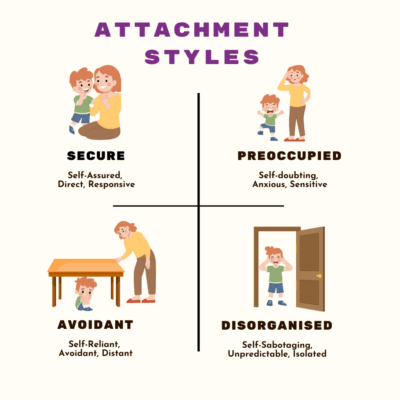
Bowlby founded attachment theory, and he recognised that in order for a child to thrive it is required that they have a healthy secure base, experiences of emotional support and encouragement, consistency and nurturing. If these needs are not met it can create unhealthy attachment styles and lead to relational difficulties later in life.
Freud wrote about the trauma effect model and his psychodynamic theory relates back to and analyses the effect of our experiences growing up which are stored in our unconscious mind and thus shape our personalities and relationships with others.
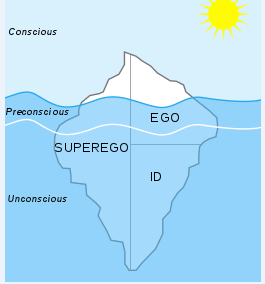
His psychodynamic theory attempts to explain human behaviour and how our unconscious mental processes originate in childhood. Our unconscious mind, our defence mechanisms and our primal desires are closely linked to our childhood development.
Jeffrey Young in his work on Schema therapy details maladaptive schemas that we form during different stages of childhood depending on our environment and experiences. Negative schemas are beliefs we form about ourselves and the world which dictate how we think feel and act. Negative schemas result in maladaptive thinking patterns. Young split these maladaptive schemas into 5 different domains, each containing their own maladaptive schemas. A schema is essentially an idea or belief about ourselves and the world around us.
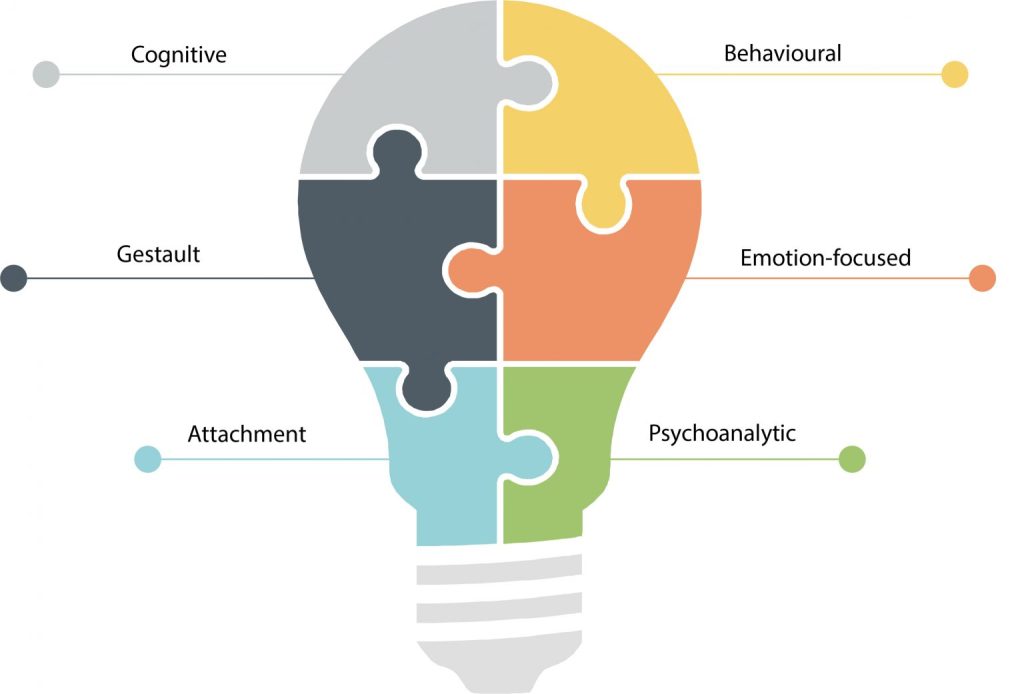
The Five Schema domains in his theory are;
- Disconnection & Rejection (Abandonment/Instability, Mistrust/Abuse, Emotional Deprivation Defectiveness/Shame, Social Isolation/Alienation)
- Impaired Autonomy & Performance (Dependence/Incompetence, Vulnerability to Harm and Illness, Enmeshment/Undeveloped Self, Failure
- Impaired Limits (Entitlement/Grandiosity, Insufficient Self Control/Self-Discipline)
- Other Directedness (Subjugation, Self-Sacrifice, Approval Seeking/Recognition Seeking
- Over vigilance & Inhibition (Negativity/Pessimism, Emotional Inhibition, Unrelenting Standards/Hyper-Criticalness, Punitiveness)
From a nervous system and neurobiological perspective we inherit our nervous systems from our caregivers as they are responsible for teaching us emotional regulation through the process of attunement, mirroring and presence. This dictates the baseline of our nervous system and whether we operate predominantly in fight/flight freeze or fawn. As children our brains are highly malleable and plasticity is higher meaning that the experiences we go through are literally shaping the structure of the brain, the neurons that fire and the chemicals that are released. This is why it is crucial in the journey of understanding oneself to revisit and recall early experiences and the impact they had.
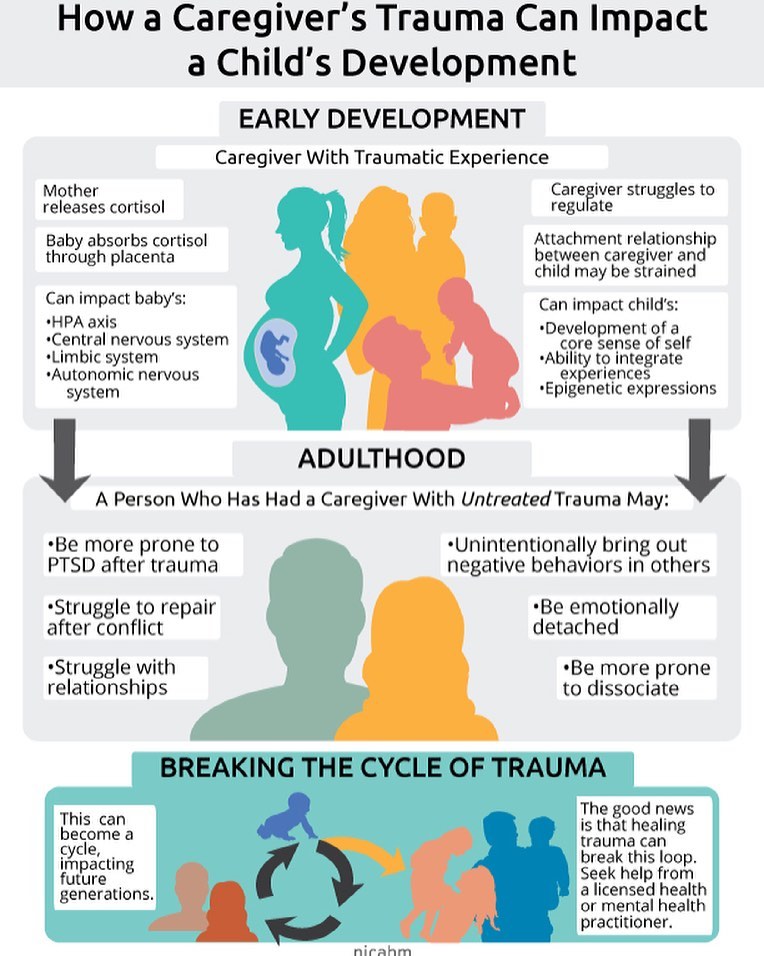
If childhood experiences were traumatic (meaning they were beyond your capability to process them) and as a child you experienced a number of ACES (adverse childhood experiences) there is a higher risk for many health-related conditions. The overproduction of stress hormones and chemicals can cause a host physiological symptoms, such as digestive issues, menstrual issues, anxiety, depression, high inflammation, autoimmune conditions, mental health conditions, eating disorders, sleep disturbances and phobias.

It is important to note how traumatic experiences affect the brain, when we experience something traumatic the memory centre of our brain (hippocampus) is negatively impacted and the ‘fire alarm’ system known as the amygdala becomes overactive.
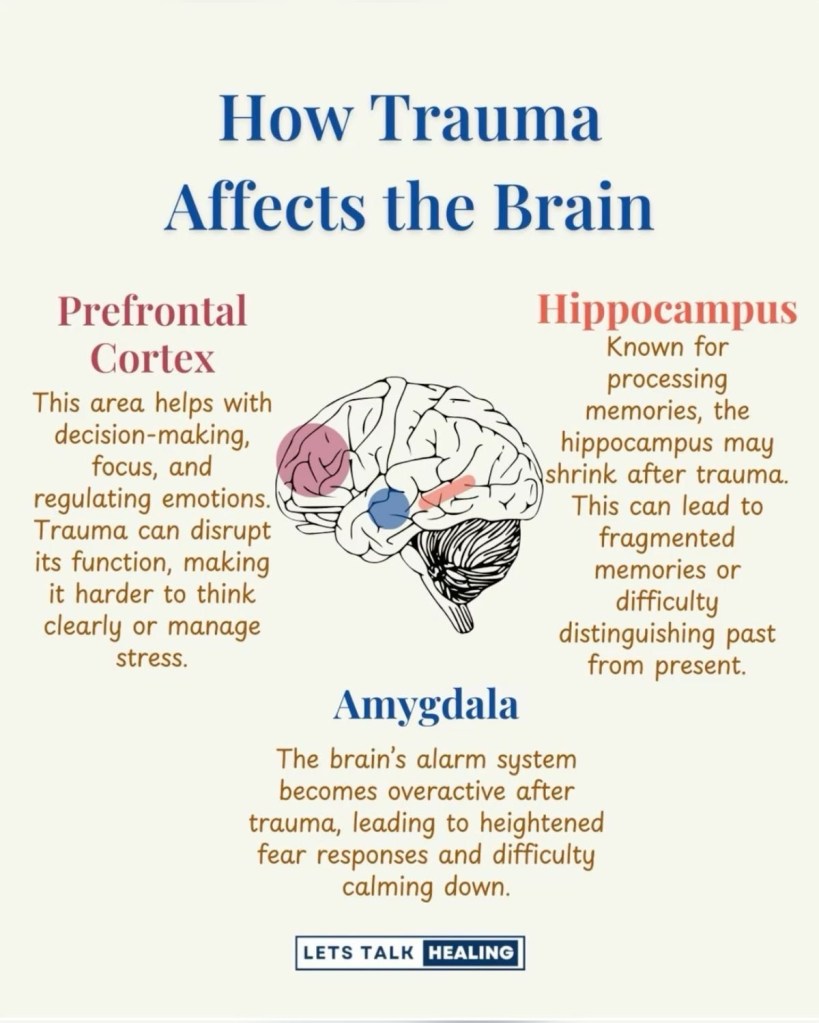
Oftentimes when one has had a difficult, chaotic and turbulent childhood they will have trouble recollecting parts of their upbringing. They will have little to no memories or will remember fragmented parts of their early years. This is due to the negative impact on the functioning of the hippocampus in response to these adverse incidents. Our brains have an inbuilt protective mechanism where the amygdala becomes more alert and hypersensitive to perceived threats in order to keep you safe.
Another region of the brain which becomes effected is the prefrontal cortex which is responsive for decision making, impulse control and executive functioning, having experienced trauma these abilities become hindered. Taking this into account, trauma and consistent adverse experiences can be likened to experiencing a brain injury of sorts, as many different regions and their normal functioning are impacted.
Inner child healing goes hand in hand with nervous system regulation, as without calming these regions of the brain and regulating the stress response it is very difficult to access the memories of early years or to recall the experiences which contributed to the wounding of the inner child.
If we don’t feel fully safe as children, and our brains are constantly on the lookout for threats, it is unlikely that we can engage in play which is an essential aspect of childhood. When we play, our nervous system is fully relaxed, we feel socially connected, and are using our creativity. While playing, the right side of the brain is engaged which is involved in expression, intuition and imagination. There is an aspect of Self that has to grow up too fast in the case of the traumatised or wounded inner child, they take on more emotional load than is intended for a child’s brain and psyche and there is an element of Self that is stunted. Inner child healing attempts to tend to this Wound, to go back and delve into the lost and forgotten parts of Self and to nurture and care for them.
Where to begin with inner child healing?
- Shadow work, journaling prompts that aid with deeper reflection on your unconscious mind, how your upbringing and adverse experiences contributed to your current patterns and behaviours
- Engaging in schema work to identify negative schemas which are playing out in present day and effecting daily life
- Regulating the nervous system out of chronic fight/flight shutdown patterns
- Engaging in activities and exercises that you enjoyed as a child, creative activities such as painting, drawing and playing
- Inner child meditation to connect with the wounded inner child
- Practicing acceptance and forgiveness and creating positive and loving inner dialogue
It is no doubt that childhood shapes us and creates the blueprint for who we are today. Inner child work is an integral part of our work at Firefly Somatics™. Using our signature method The Firefly Method® we guide you back home to Self, integrating all lost parts of Self, including the lost Inner Child.
References:
Bowlby, J. (1978). Attachment theory and its therapeutic implications. Adolescent Psychiatry, 6, 5–33.
Hughes, K., Bellis, M. A., Hardcastle, K. A., Sethi, D., Butchart, A., Mikton, C., … & Dunne, M. P. (2017). The effect of multiple adverse childhood experiences on health: a systematic review and meta-analysis. The Lancet public health, 2(8), e356-e366.
Jung, C. G. (1991). The archetypes and the collective unconscious (R. F. C. Hull, Trans.; 2nd ed.). Routledge.
Karantzas, G. C., Younan, R., & Pilkington, P. D. (2023). The associations between early maladaptive schemas and adult attachment styles: A meta-analysis. Clinical Psychology: Science and Practice, 30(1), 1–20. https://doi.org/10.1037/cps0000108
Jessica Traylor; Laura Overstreet; and Diana Lang (2022) Psychodynamic Theory: Freud. Iowa State university Digital Press
Young, J. E., Klosko, J. S. & Weishaar, M. E. (2003). Schema therapy: A practitioner’s guide. New York: Guilford Press.
 Firefly Somatics™
Leave a Reply