
When people hear the word libido, most immediately correlate it to sexual desire: the spark of physical attraction, ‘chemistry’, the urge for intimacy, or the pull toward pleasure. But libido is far more complex than just wanting sex.
Your libido is one of the most powerful mirrors of your nervous system health. The rise, fall, or absence of sexual energy tells you a story about whether your body feels safe, grounded and open, or stressed, shut down, and disconnected.
In this blog post, we’ll explore:
- The link between stress and sexual energy
- Why libido is rooted in safety, not just desire
- How Polyvagal Theory explains intimacy, arousal, and orgasm
- The role of hookup culture and how dysregulation fuels it
- Different nervous system states and how they shape your sex life
- Somatic tools for restoring embodied, healthy libido
Libido and the Stress Response
Your nervous system has two main modes of operation:
- Sympathetic (fight or flight): heightened alertness, stress, urgency.
- Parasympathetic (rest and digest): calm, openness, safety, connection.

Most of us assume stress and sex don’t mix, but interestingly, sexual energy can surge during stress. This happens when the sympathetic nervous system is dominant.

Why? Because your body seeks pleasure as a counterbalance to pain or discomfort. Desire in these moments isn’t always about connection, rathe it’s often a biological attempt to regulate and soothe.
Both men and women experience this. For some, it looks like stress-driven arousal. For others, it can show up as compulsive sexual behaviour. While this is natural, it doesn’t always lead to deep inner fulfilment.
How to Know if Your Nervous System Is Impacting Your Libido
Sometimes it’s not your hormones, your partner, or even your “desire levels” — it’s your nervous system. When your body doesn’t feel safe, pleasure can get blocked or distorted.

Here are some of the most common signs that your nervous system may be shaping your sexual experiences / affecting your libido:
• Feeling desire in your mind but not in your body
• Struggling to orgasm or “shutting down” during intimacy
• Using sex as a stress release but not feeling fulfilled afterward
• Feeling disconnected, numb, or “too much” in sexual situations
• Attracting dynamics that feel more about intensity than intimacy
Libido Is About Safety, Not Just Desire
Here’s the deeper truth: libido is not just about wanting sex, it’s about feeling safe enough to surrender into full embodied pleasure.
When the body feels unsafe, tense, or overwhelmed, libido often declines. This isn’t brokenness or dysfunction, it’s a protective response.
- If your body is scanning for threats, it won’t allow full arousal.
- If you’re in a survival freeze, orgasm can feel out of reach.
- If intimacy feels unsafe, connection may be replaced by avoidance or performance.
Safety, not stimulation, is the foundation of sustainable sexual vitality.
Polyvagal Theory & The Vagus Nerve
Polyvagal Theory, developed by Dr. Stephen Porges, helps us understand how the nervous system shapes intimacy.
At the heart of it is the vagus nerve, which communicates between brain and body.
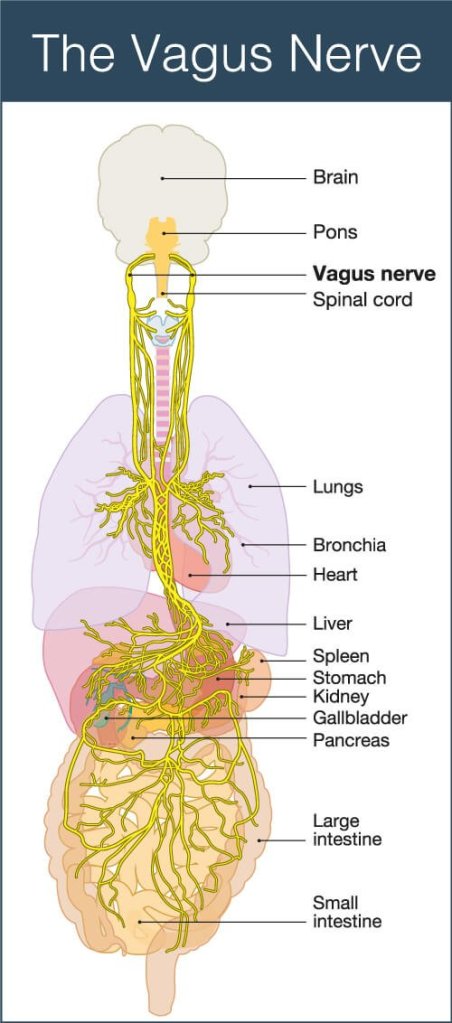
The vagus nerve influences whether you feel:
- Safe and connected (ventral vagal state)
- Anxious, restless, or urgent (sympathetic state)
- Numb, withdrawn, or shut down (dorsal vagal state)

For libido to feel grounded and satisfying, you need access to the ventral vagal state—where your body feels safe, open, and ready for connection.
Without this, sex may feel pressured, dissatisfying, or disconnected.
The Nervous System as Your Inner Compass
Your nervous system is constantly scanning the world for one question:
“Am I safe, or am I under threat?”
This process, called Neuroception, happens below your conscious awareness. It evaluates safety based on subtle cues such as tone of voice, facial expression, body language, and even the energetic presence of others.

This explains why your libido sometimes doesn’t “make sense.” You might consciously want intimacy, but if your nervous system senses unsafety, arousal won’t follow.
The Window of Tolerance & Sexual Energy
Think of your nervous system like a window of tolerance—the range in which you can experience stimulation without tipping into overwhelm or shutdown.
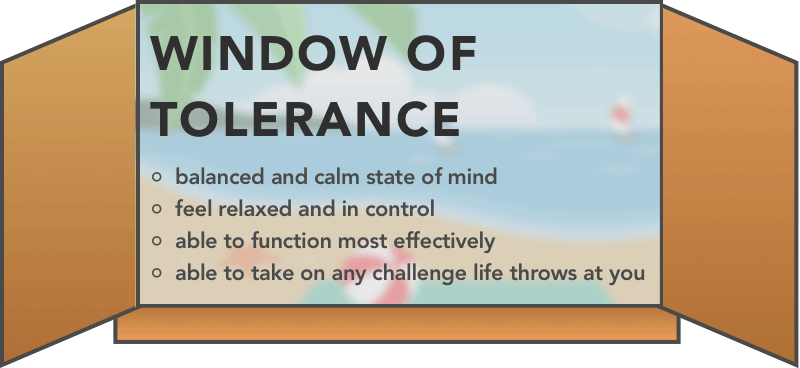
- Inside the window: Your body feels present, safe, and curious. This is where intimacy thrives.
- Above the window (hyper-arousal): Sex may feel urgent, compulsive, or like stress relief, but it doesn’t satisfy deeply.
- Below the window (hypo-arousal): Libido may vanish as the body disconnects or numbs out.

Expanding your window of tolerance allows you to meet intimacy without tipping into stress or withdrawal.
Nervous System States & How They Shape Sex
Each nervous system state shows up differently in intimacy:
- Ventral Vagal (Safe & Connected): Playful, open, attuned. Desire flows. Touch feels good. Orgasms happen with ease.
- Sympathetic (Fight/Flight): Sex may feel intense, urgent, or like “release.” Arousal spikes but satisfaction fades quickly.
- Dorsal Vagal (Shutdown): Disinterest, numbness, or difficulty engaging. Desire feels absent, even if you want intimacy.

Understanding these states helps remove shame. If your libido feels “off,” it’s not dysfunction—it’s your nervous system communicating.
Hookup Culture, One-Night Stands & Nervous System Dysregulation
In today’s world, hookup culture is often framed as freedom. And while there’s nothing inherently wrong with casual intimacy, the motivation behind it often reveals nervous system patterns.
When dysregulated, the body may use sex as a quick fix for safety or connection:
- Seeking one-night stands to avoid loneliness
- Using intensity and novelty to escape stress
- Mistaking sexual attention for love or belonging
- Numbing emotions with sex to avoid pain

Many people report feeling empty or regretful after casual encounters. That’s because stimulation occurred, but the deeper needs of the nervous system—safety, trust, intimacy—were left unmet. When intimacy arises from dysregulation, it becomes an escape. When it arises from safety, it becomes an expansion.
Pleasure as Self-Soothing
Your nervous system knows two primary languages: pain (stress response) and pleasure (parasympathetic response).

When stuck in stress or trauma loops, it often seeks pleasure as a way to regulate. This can look like:
- Orgasms as stress relief
- Escaping into fantasy or pornography
- Hypersexuality during hard life seasons
These are natural coping strategies. But over time, they can create cycles of frustration or disconnection, where sex feels more like an escape than nourishment.
The shift comes when pleasure is no longer used to soothe but to expand connection and vitality.
Healing the Nervous System for Healthy Libido
So how do we move from survival-driven patterns into safe, embodied intimacy?
1. Somatic Awareness
Learn to notice sensations—tightness, numbness, warmth, restlessness. Awareness brings your body back into presence.
2. Polyvagal Practices
Gentle exercises that work to regulate your nervous system as well as safe touch activate the vagus nerve and shift you into calm connection.
3. Breathwork & Movement
Breath regulates arousal. Movement discharges survival energy. Together they restore balance and create space for pleasure.
4. Hormonal & Lifestyle Balance
Supporting your body with good nutrition, optimal rest, and nervous system regulation work creates the biological foundation for healthy, regulated, stable libido levels.
5. Trauma-Informed Healing
For those with past traumas that are unresolved, guided somatic therapeutic support with us here at Firefly Somatics™ will help you to release survival energy and rebuild trust in your body.
The Return of Aligned Libido
When your nervous system feels safe, something shifts:
- Desire flows without forcing.
- Arousal feels expansive, not pressured.
- Intimacy becomes about connection, not performance.
- Orgasm feels like surrender, not struggle.
This is the difference between sex as escape and sex as deep nourishment.
Reclaiming True Pleasure
If you’ve felt frustrated with your libido or caught in cycles of over- or under-desire, know this: you are not broken. Your body is simply communicating a need for safety.
When you heal your nervous system, libido stops being about survival and becomes a source of aliveness, creativity, and connection.
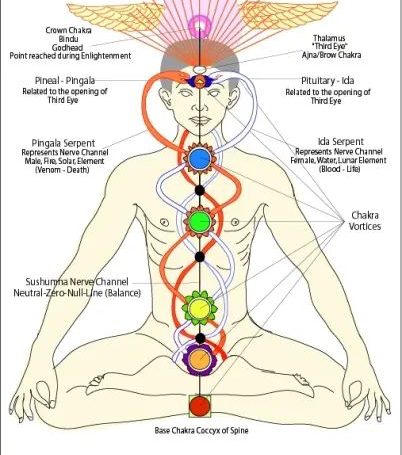
Your sexual energy isn’t just about sex—it’s a life force. And when safety and pleasure meet, it becomes the foundation for intimacy, vitality, and wholeness.
Are You Ready To Reconnect With Your Body?
At Firefly Somatics™, we guide clients in bridging the mind and body. We work directly with the nervous system, enabling stress and trauma release, where embodied healing can complete. Healing the nervous system is the key to reclaiming not just pleasure, but your energy, creativity, and feelings of true connection.
Pleasure is sacred. Your safety is the gateway. When the two align, libido becomes a force that nourishes every part of your life.
Explore more resources by navigating to our homepage www.fireflysomatics.com
 Firefly Somatics™
Leave a Reply