
Interoception is the perception of sensations arising from within the body. It is often described as our eighth sense, yet for many people it is the least developed, the most misunderstood, or the most disrupted. Interoception is not a vague or abstract concept. It is the direct, moment-to-moment ability to feel and interpret the internal electrical, chemical, and mechanical signals that arise from the body’s tissues, organs, muscles, fascia, and viscera. It is the way the body speaks to the brain, and the way the brain learns whether the body is safe, threatened, nourished, depleted, connected, or overwhelmed.

At a neurological level, interoception refers to the processing of internal bodily signals along the ascending branch of the brain–body axis. These signals travel from the periphery of the body upwards to the brain, rather than from the brain downwards. This is a crucial distinction. Much of modern culture is oriented around top-down regulation: thinking our way out of feelings, overriding bodily cues, or intellectually understanding our patterns while remaining disconnected from how they live in the tissues. Interoception, by contrast, is bottom-up. It is the body informing the brain.
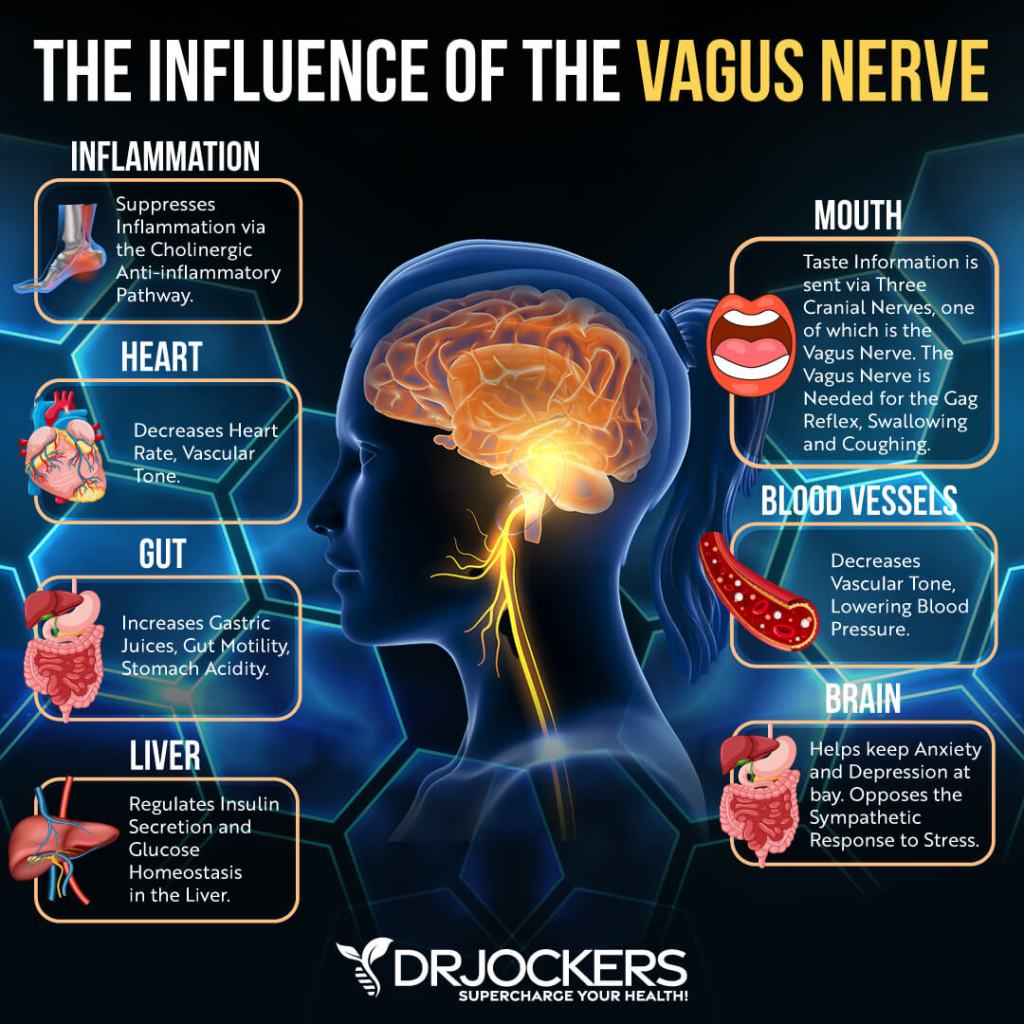
Interoceptive signals include sensations such as heartbeat, temperature changes, muscle contractions, tingling, buzzing, pulsation, pressure, breath rhythm, hunger, thirst, fullness, nausea, and fatigue. They also include autonomic nervous system activity related to emotional states. Emotions are not abstract experiences that float in the mind. They are physiological events that move through the body as patterns of activation and deactivation within the nervous system. Interoception is how we sense those patterns as they arise.
At the centre of this interoceptive pathway is the vagus nerve.
The Vagus Nerve: The Great Communicator
The vagus nerve is the main cranial nerve involved in conveying visceral information from the body to the brain. It is the longest cranial nerve in the body, extending from the brainstem down through the neck and into the thoracic and abdominal cavities. It innervates the heart, lungs, gut, aortic body, aortic sinus, and core vascular system, and plays a central role in regulating heart rate, digestion, respiration, immune function, inflammation, and emotional regulation.
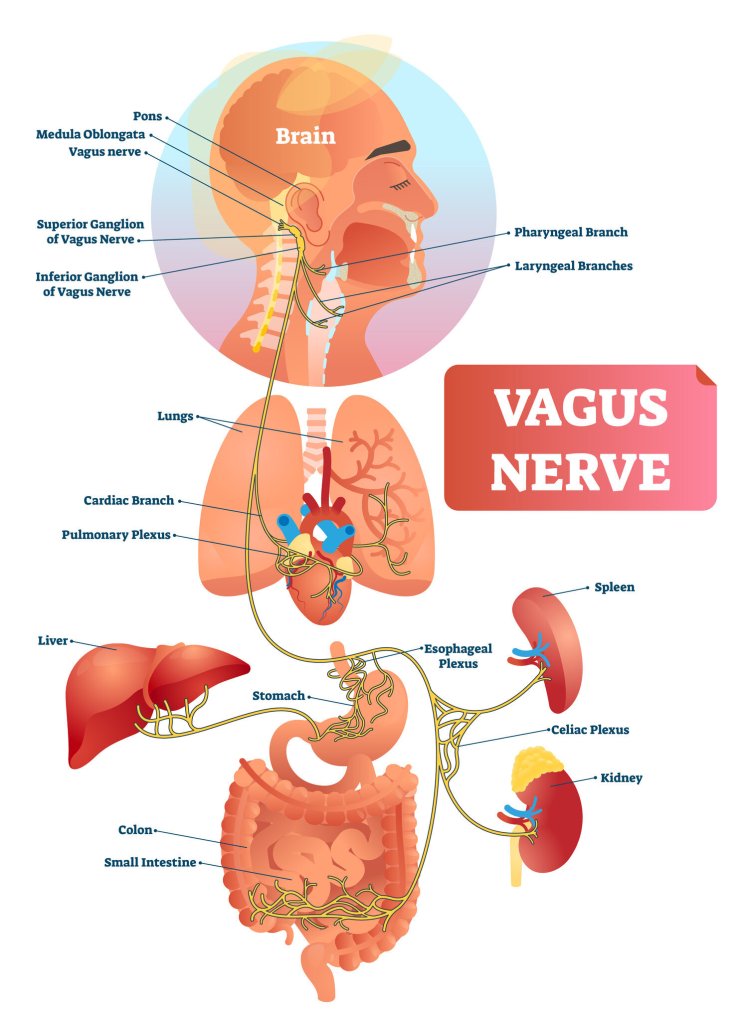
Importantly, around eighty per cent of the fibres in the vagus nerve are afferent. This means they carry information upwards from the body to the brain, rather than commands from the brain to the body. This alone challenges the long-held belief that the brain is always in charge. In reality, the body is constantly informing the brain about its internal state, and the brain responds accordingly.
The primary cortical area responsible for processing interoceptive information is the insular cortex. The insula integrates visceral sensations with emotional awareness, subjective feeling states, and social cognition. When interoceptive signalling is clear and coherent, the insula can accurately map what is happening in the body. When signalling is disrupted, blunted, or chaotic, emotional awareness and regulation become compromised.

The vagus nerve is therefore not simply a ‘relaxation’ nerve. It is a sensory highway. It mediates our interoceptive awareness and plays a critical role in how we recognise, interpret, and respond to our emotional world.
Vagal Tone and The Felt Sense of Aliveness
Vagal tone refers to the functional capacity of the vagus nerve to regulate physiological states. High vagal tone is associated with flexibility, adaptability, emotional regulation, and resilience. Low vagal tone is associated with rigidity, chronic stress, emotional dysregulation, and difficulty returning to baseline after activation.
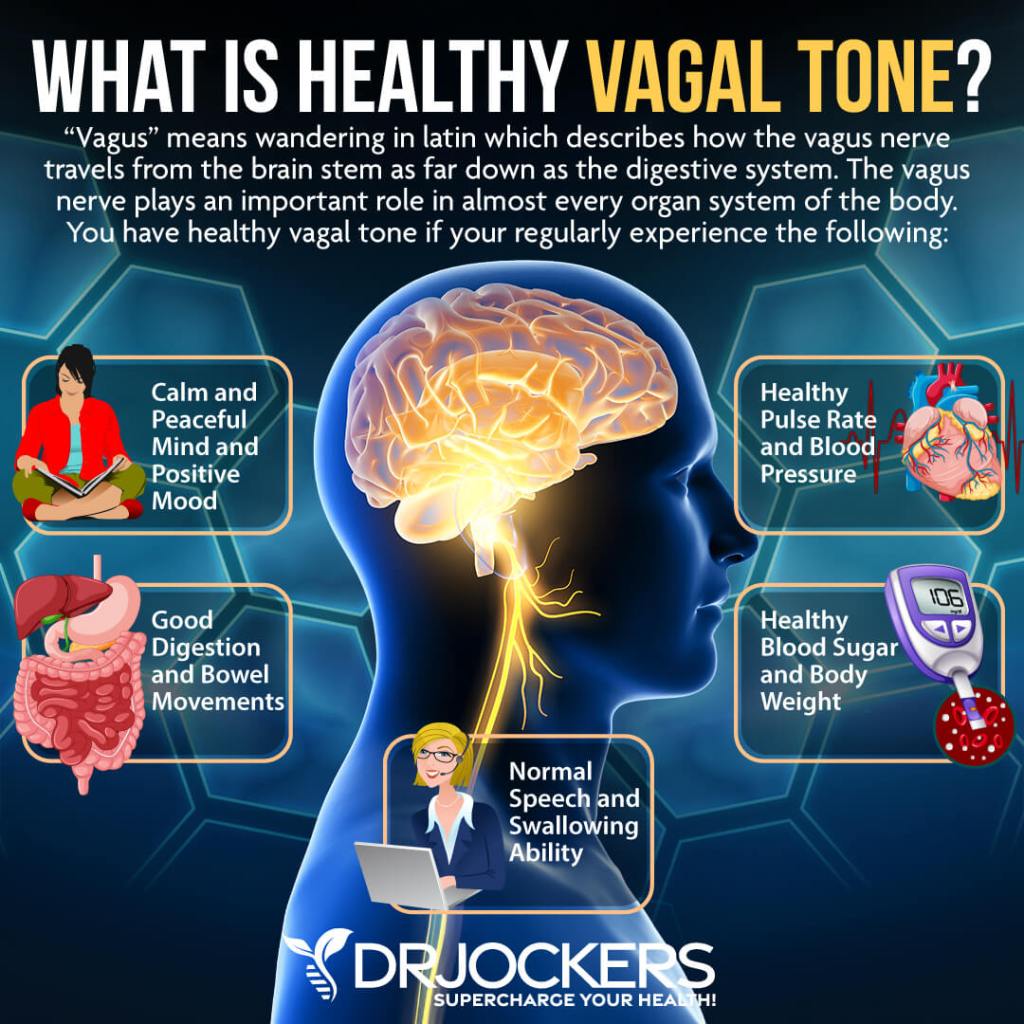
When someone has relatively high vagal tone and a regulated nervous system, there is often a felt sense of internal aliveness. People describe feeling subtle waves, gentle pulsing, warmth, or a sense of internal movement. The body does not feel silent or numb, nor does it feel overwhelming or chaotic. There is a sense of coherence. Personally, I often describe it as feeling like the body is internally dancing. There is rhythm, responsiveness, and flow.
When vagal tone is low, and the nervous system has been dysregulated for prolonged periods, interoceptive awareness is often disrupted. This can show up in two primary ways, which align closely with the two ends of the autonomic survival spectrum.
Dissociation, Freeze, and the Loss of Interoceptive Awareness
One expression of low vagal tone is dorsal vagal shutdown or freeze. This is not a conscious choice. It is a primitive survival response that arises when the nervous system perceives threat as overwhelming or inescapable. In this state, the body conserves energy by reducing metabolic activity, dampening sensation, and disconnecting awareness from internal experience.
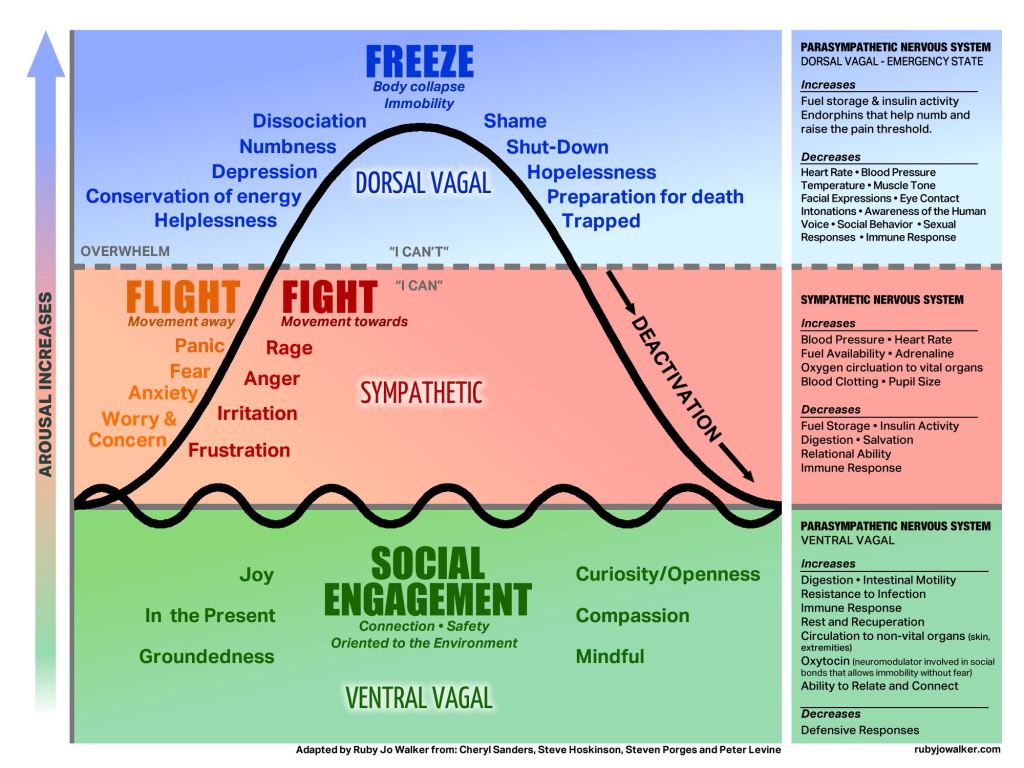
People in chronic freeze or dissociation often report feeling numb, empty, flat, or disconnected from their body. Hunger cues disappear. Fatigue signals are ignored until exhaustion hits suddenly. Emotional awareness becomes blunted. The body feels vague, distant, or unreal. This is not a failure of awareness or willpower. It is a nervous system adaptation to threat.
From an interoceptive perspective, dissociation represents a disruption in the ascending pathway. The signals from the body are either not being sent clearly, or they are being gated out by the brain as a protective measure. The insula receives incomplete information, making it difficult to accurately track internal states.
This has profound implications for trauma healing, attachment, and emotional regulation. If we cannot feel what is happening in the body, we cannot process it. If we cannot process it, it remains stored as unintegrated activation.
Hyperarousal, Anxiety, and Sensory Overload
At the other end of the spectrum, low vagal tone can also manifest as chronic sympathetic dominance. In this state, the nervous system is persistently mobilised for action. The body is primed for threat, danger, or urgency, even when none is present.
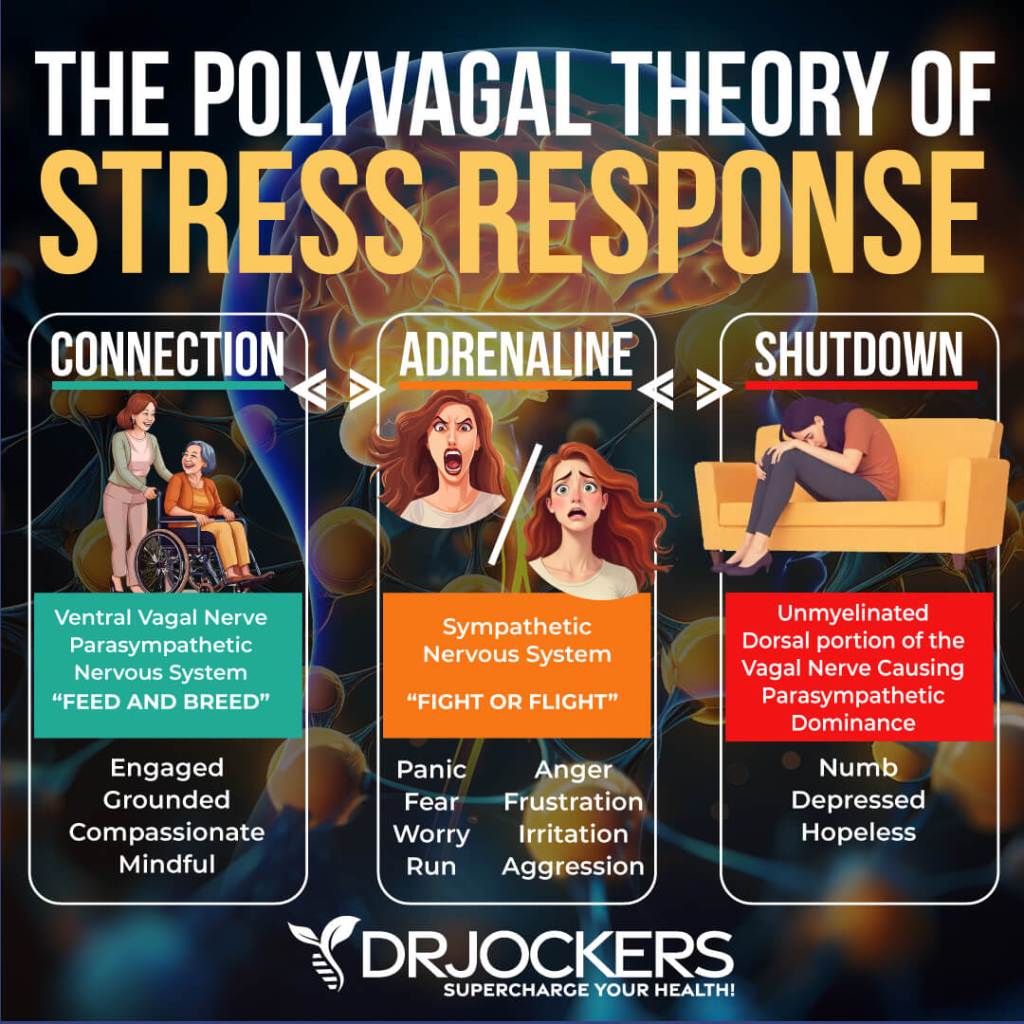
People in chronic hyperarousal often have heightened interoceptive sensations, but without regulation or coherence. Heart racing, shallow or fast breathing, tightness in the chest, gut discomfort, muscle tension, dizziness, or internal buzzing may be constant. Because the nervous system is already activated, even minor external stimuli can be perceived as threatening. The system is essentially stuck in danger-detection mode.
This is where interoception becomes distorted. Sensations are not necessarily inaccurate, but they are interpreted through a threat lens. A slight increase in heart rate becomes panic. A normal digestive sensation becomes fear. The body’s signals are amplified and catastrophised, further reinforcing the stress response.
From a polyvagal perspective, this reflects insufficient ventral vagal regulation. The system lacks the capacity to downshift efficiently, so activation accumulates. Interoceptive awareness without regulation can become overwhelming rather than healing.
Interoception as the Foundation of Emotional Regulation
Emotional regulation is not primarily a cognitive skill. It is a physiological capacity. Before we can regulate emotions, we must be able to feel them. And before we can feel them, we must be able to sense the bodily changes that constitute them.
Every emotion corresponds to a specific pattern of autonomic activation. Anger may show up as heat in the chest, increased heart rate, muscle readiness, and a sense of expansion. Anxiety may involve a racing heart, constricted breath, tight jaw, or buzzing limbs, driven by elevated cortisol and adrenaline. Sadness may bring heaviness, slowed movement, and a drop in energy.
Interoception allows us to recognise these patterns as they arise, rather than only noticing them once they have escalated into behaviour or overwhelm. When we track sensations moment by moment, we create space between activation and reaction. This space is where regulation becomes possible.
Neuroscientifically, this tracking engages the insula and prefrontal cortex in a way that supports integration rather than suppression. We are not trying to get rid of sensations. We are allowing them to complete their natural arc.
Trauma, Unprocessed Activation, and the Body
Trauma is not defined by the event itself, but by what happens inside the nervous system during and after the event. When an experience overwhelms the system’s capacity to respond, the associated activation does not fully discharge. Instead, it becomes stored as implicit memory in the body.
These unprocessed energies of trauma often remain below conscious awareness, yet continue to influence perception, behaviour, and attachment patterns. They show up as chronic tension, pain, emotional reactivity, numbness, or relational patterns that feel automatic and out of control.
Interoceptive awareness is central to nervous system healing because it provides a pathway for these stored activations to be felt, tracked, and integrated. By gently noticing internal sensations without forcing change, the nervous system is given the conditions it needs to complete interrupted defensive responses.
This is why trauma-informed somatic work prioritises safety, pacing, and titration. Flooding the system with sensation can be re-traumatising. The goal is not to feel everything at once, but to restore the body’s capacity to feel gradually, with choice and support.
Polyvagal Theory and the Social Engagement System
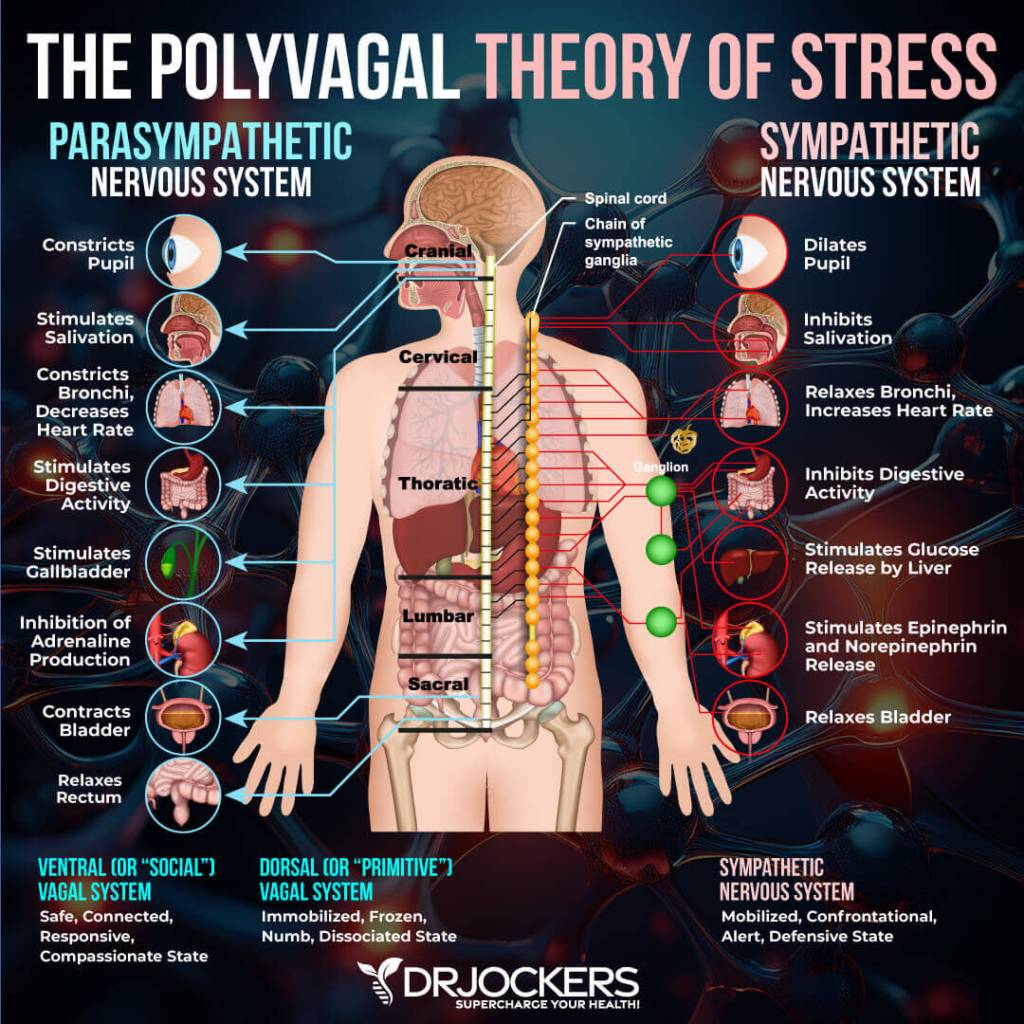
Polyvagal theory offers a framework for understanding how interoception, the vagus nerve, and social connection are intertwined. According to this model, the vagus nerve has two primary branches: the ventral vagal complex, associated with safety, connection, and social engagement, and the dorsal vagal complex, associated with shutdown and immobilisation.
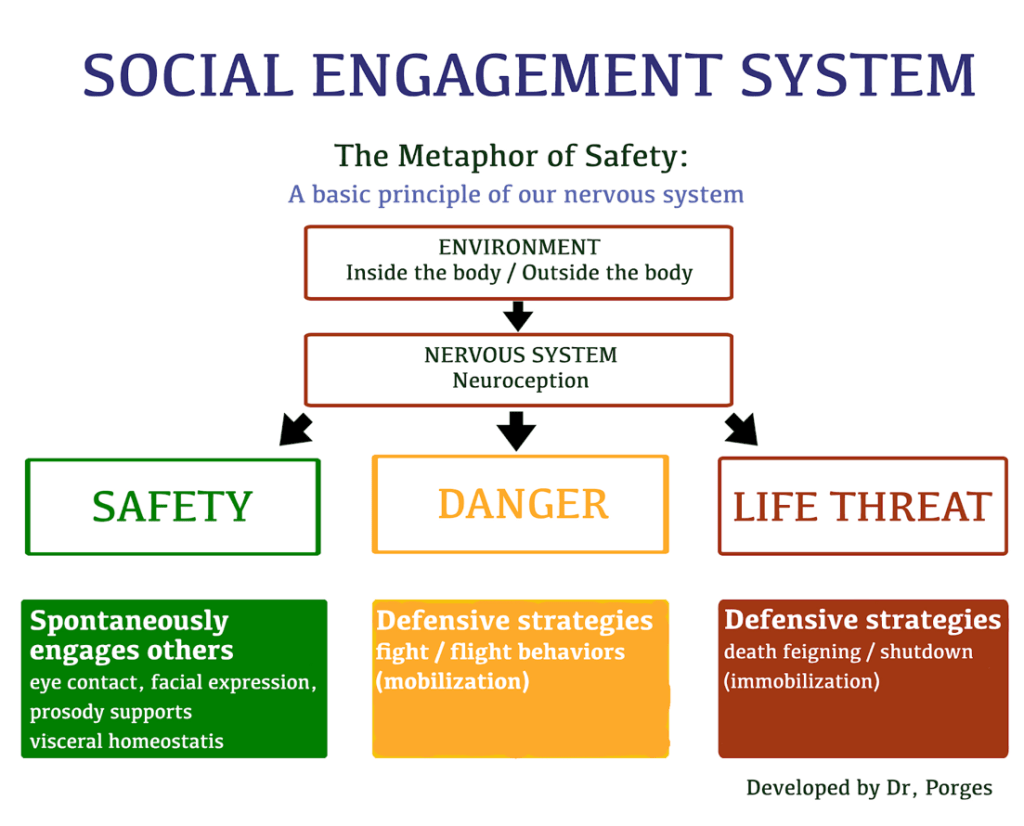
The ventral vagal system supports not only physiological regulation, but also relational safety. When this system is online, we can feel our bodies, read social cues, regulate emotions, and stay present in connection. Interoceptive awareness in this state feels tolerable, even pleasant.
When ventral vagal regulation is compromised, the system defaults to sympathetic mobilisation or dorsal vagal shutdown. Interoception in these states becomes either overwhelming or absent. This has direct implications for attachment.
Attachment Wiring and Interoceptive Capacity
Our early attachment experiences shape not only our relational patterns, but also our nervous system’s capacity for interoception. In environments where caregivers were attuned, responsive, and emotionally available, children learn that internal sensations are safe and meaningful. Their bodily cues are mirrored and regulated in relationship.
In environments where caregivers were inconsistent, intrusive, neglectful, or frightening, children may learn that internal sensations are dangerous, irrelevant, or overwhelming. To survive, the nervous system adapts by dampening or distorting interoceptive signals.
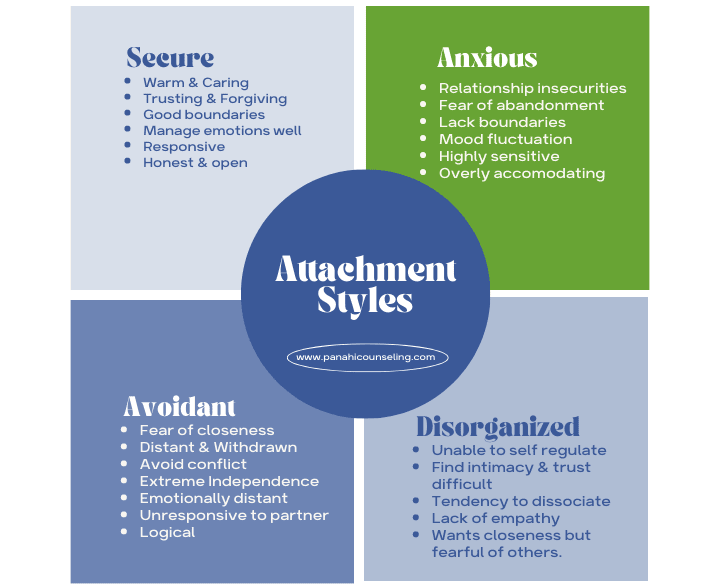
Avoidant attachment often involves reduced interoceptive awareness. Sensations are minimised or ignored to maintain autonomy and emotional distance. Anxious attachment may involve heightened interoception without regulation, leading to hypervigilance and emotional flooding. Disorganised attachment often involves oscillation between these states.
Rebuilding interoceptive awareness is therefore not just a personal practice. It is relational repair at the level of the nervous system.
Relearning the Language of the Body
Developing interoceptive awareness is not about becoming hyper-focused on sensations or analysing every bodily signal. It is about cultivating a gentle, curious, and compassionate relationship with the body’s communication. When we practice noticing sensations as they arise, without judgement or urgency, we allow the nervous system to complete its natural cycles. Activation peaks and falls. Emotions move through. Homeostasis becomes accessible again. Over time, this creates a system that is more resilient, more regulated, and more capable of responding rather than reacting. Clients often report that emotions pass more quickly, anxiety feels less consuming, and there is a greater sense of trust in their body. This is not because sensations disappear, but because they are no longer feared or resisted.
Returning to Homeostasis
Homeostasis is not a static state of calm. It is a dynamic process of self-regulation. The nervous system is designed to move in and out of activation. Problems arise not from activation itself, but from the inability to return. Interoceptive awareness gives the body and nervous system the information they need to self-correct. When sensations are felt and metabolised, the system can downshift. Repair becomes possible. Energy becomes available for growth, connection, and creativity rather than survival. In this way, interoception is not a niche concept. It is foundational to physical health, emotional wellbeing, trauma recovery, and relational capacity. It is the bridge between body and mind, between survival and aliveness.
Relearning to feel is not a luxury. It is a return to our biological design. And for many, it is the most radical healing practice of all.
 Firefly Somatics™
Leave a comment