
The nervous system does not malfunction randomly. It organises. It organises around experience, repetition, and meaning. The meanings we form earliest, before language, before cognition, before narrative memory, become the architecture through which we interpret everything that follows. What we call dysregulation is often the nervous system doing precisely what it learned to do in order to survive.
To understand this, we must move beyond the idea that beliefs are purely cognitive constructs. Core beliefs are not simply thoughts that can be replaced with affirmations. They are embodied predictions. They are neurobiological adaptations. They are relational conclusions encoded in circuitry, tissue, chemistry, and autonomic patterning. They are psychosomatic. They shape the body, the mind, and the lived experience of identity.
Early Attachment & The Shaping Of Biology
An infant does not think, “Am I safe?” The infant experiences safety or threat through the body. The developing brain is exquisitely shaped by relational experience. Neural networks form in response to attunement, the caregiver’s capacity to perceive, interpret, and respond to internal states. When distress is met with soothing, pathways linking arousal and regulation strengthen. When emotion is mirrored and validated, coherence forms in the nervous system. When attunement is inconsistent, conditional, or absent, adaptation occurs.
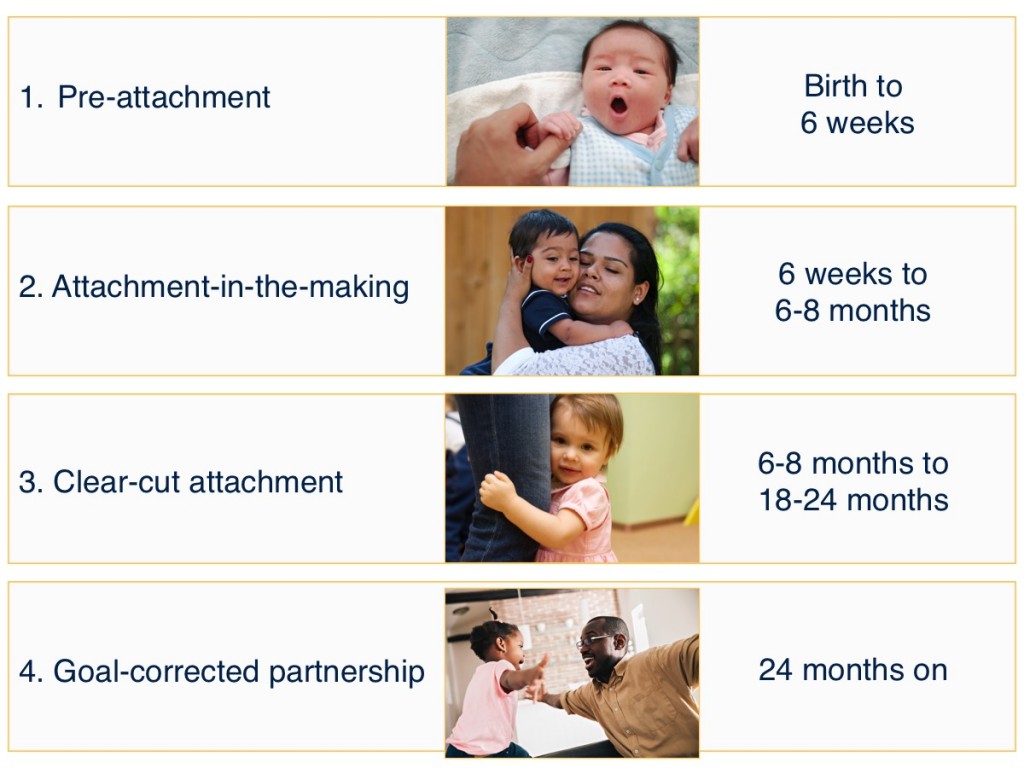
The child does not conclude that the caregiver is overwhelmed. The child concludes, implicitly, that something about the self is unsafe. This is not a philosophical inference but a biological fact. Repeated relational stress sensitises the amygdala, alters hypothalamic pituitary adrenal axis functioning, and shapes vagal tone. Cortisol exposure influences synaptic pruning and myelination. The brain wires itself around prediction and protection (Siegel, 1999, The Developing Mind: Toward a Neurobiology of Interpersonal Experience).
Survival becomes organised around strategies such as hyper attunement to others, emotional suppression, compliance, perfectionism, withdrawal, or overfunctioning. Over time these strategies consolidate into identity structures: the responsible one, the achiever, the self-sufficient one. Yet beneath identity lies belief, and beneath belief lies a nervous system that once prioritised survival over authenticity.
The Unconscious As Embodied Organiser
Long before functional imaging, psychoanalysis recognised that behaviour is not governed solely by conscious choice. Sigmund Freud, in The Unconscious (1915, London: Hogarth Press) and The Ego and the Id (1923, London: Hogarth Press), articulated how early relational experiences shape defence mechanisms that operate outside awareness. Repression, inhibition, and avoidance are adaptive strategies protecting attachment bonds. A child who learns that anger or neediness triggers rejection does not cease to feel these emotions; instead, the psyche inhibits them. Chronic inhibition manifests physically as muscular tension, restricted breath, and altered posture.

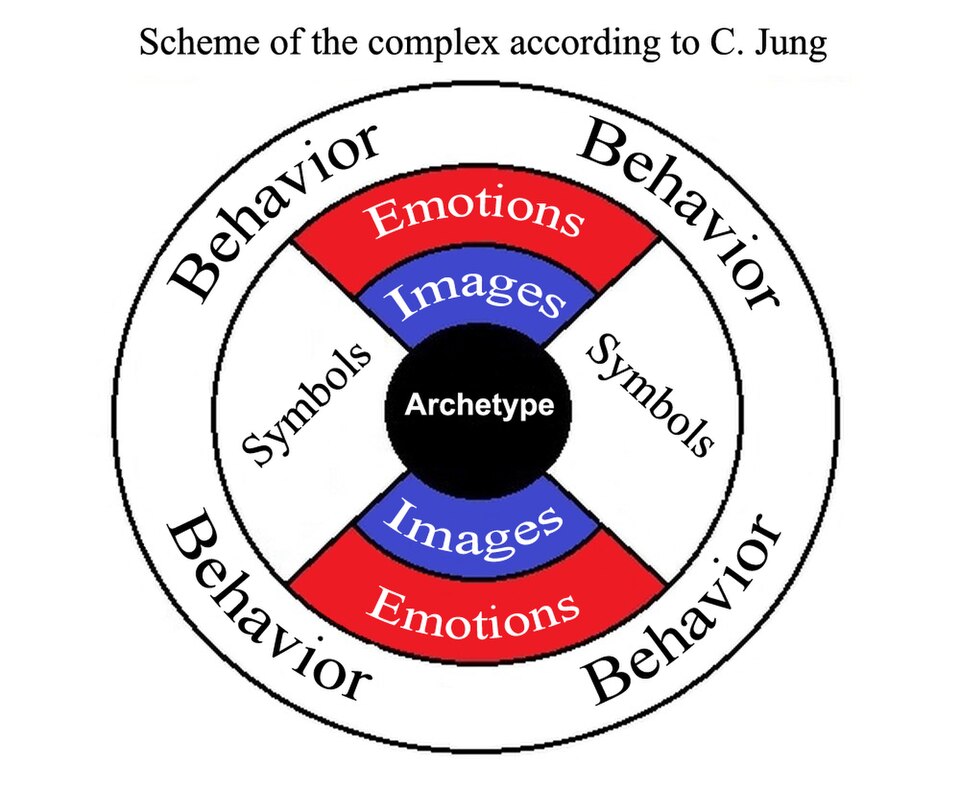
Carl Jung expanded this in The Structure and Dynamics of the Psyche (1969, Princeton, NJ: Princeton University Press), introducing complexes: emotionally charged constellations organised around formative experience. Shame, abandonment, or inadequacy complexes influence perception, emotion, and physiology without conscious awareness. The unconscious is not merely psychological; it is procedural memory embedded in subcortical circuits. The body responds before the mind narrates.
Interoception & Predictive Coding
Modern neuroscience increasingly understands the brain as a prediction organ rather than a reaction organ. The brain constantly predicts what the body should feel based on past experience, a process known as predictive processing. Core beliefs shape prediction. If the belief is “I am unsafe when seen,” the brain anticipates danger in situations involving visibility. That prediction alters heart rate, muscle tone, gut motility, and breath before any conscious evaluation occurs.
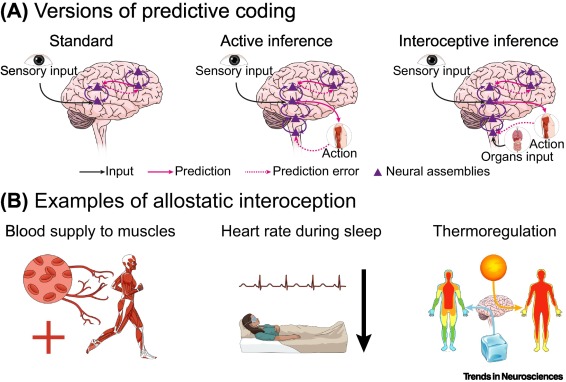
Interoception, our ability to sense internal bodily states, is mediated largely by the insular cortex. Early relational trauma can disrupt interoceptive accuracy, meaning a person may struggle to identify hunger, fatigue, emotional cues, or boundaries because their early environment required them to track others more than themselves (Schore, 2003, Affect Dysregulation and Disorders of the Self). Chronic self-abandonment dulls interoception, reinforcing disconnection from needs and reinforcing the belief that needs are irrelevant or unsafe. This closes yet another psychosomatic loop.
Epigenetics & Gene Expression
Beliefs are not directly coded into DNA, but chronic stress environments alter gene expression through epigenetic mechanisms.
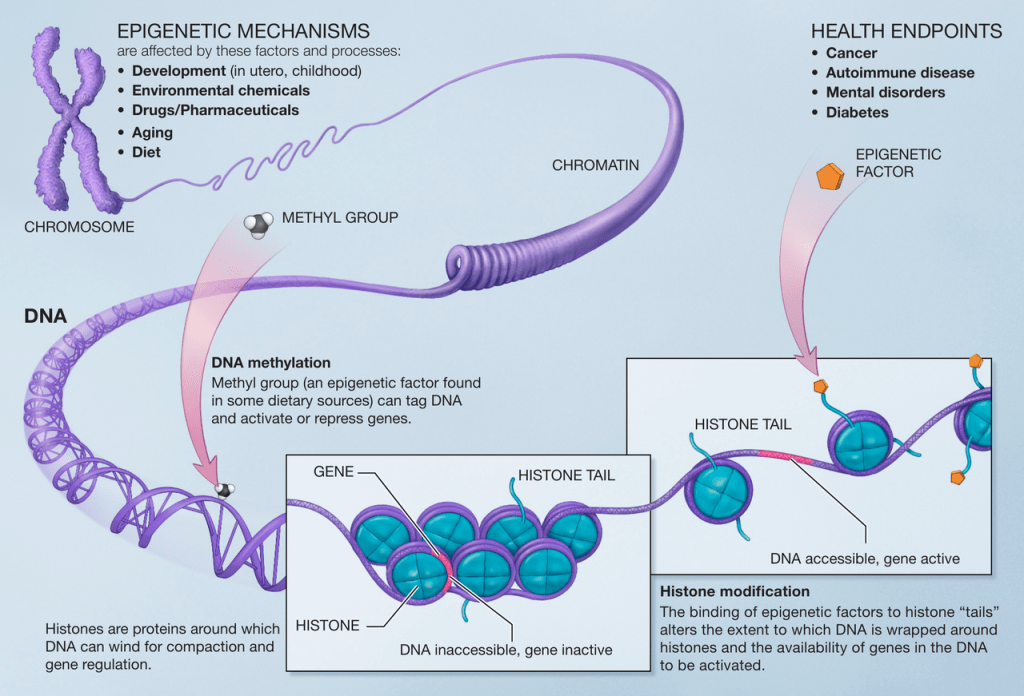
Repeated exposure to relational threat increases stress hormone production, which over time can influence inflammatory gene expression, immune response, and stress reactivity. Developmental stress can alter glucocorticoid receptor sensitivity. Early relational meaning shapes stress chemistry, and stress chemistry shapes cellular environment (Sapolsky, 2004, Why Zebras Do Not Get Ulcers). This moves the psychosomatic argument from muscular tension into cellular biology.
Attachment Style & Hormonal Regulation
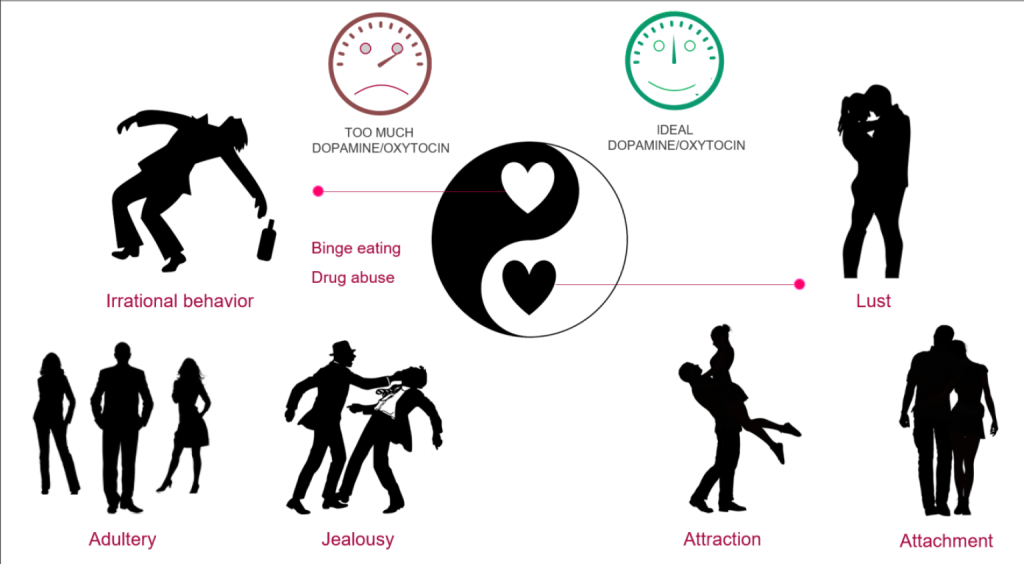
Attachment experiences influence oxytocin, vasopressin, dopamine, and cortisol regulation. If closeness was unpredictable, oxytocin release may become paired with anxiety rather than safety. This means intimacy itself can activate sympathetic arousal. Beliefs such as “closeness leads to loss” are not abstract; they literally alter hormonal responses to bonding, deepening the connection between relational belief and embodied response.
The Immune System As A Meaning-Making System
Emerging psychoneuroimmunology research shows that chronic perceived threat influences immune function. Inflammation increases when the body perceives danger. If the nervous system lives in chronic defence due to relational beliefs, inflammatory load can rise. Belief does not cause illness in a simplistic way, but chronic defensive physiology can create vulnerability. The body reflects belief not only in posture, breath, and motor patterns, but also in immune tone (Pert, 1997, Molecules of Emotion: The Science Behind Mind Body Medicine).
Development Of The Default Mode Network
The default mode network, associated with self-referential thinking, develops through early relational mirroring. If early mirroring is critical or inconsistent, internal narrative becomes shaped around shame, inadequacy, or hyper-vigilance. This narrative is not purely cognitive; it activates autonomic shifts each time it runs. Self-criticism activates neural circuits similar to social rejection. Internal narrative thus becomes a physiological stressor (Siegel, 1999, The Developing Mind: Toward a Neurobiology of Interpersonal Experience).
Somatic Memory & Procedural Identity
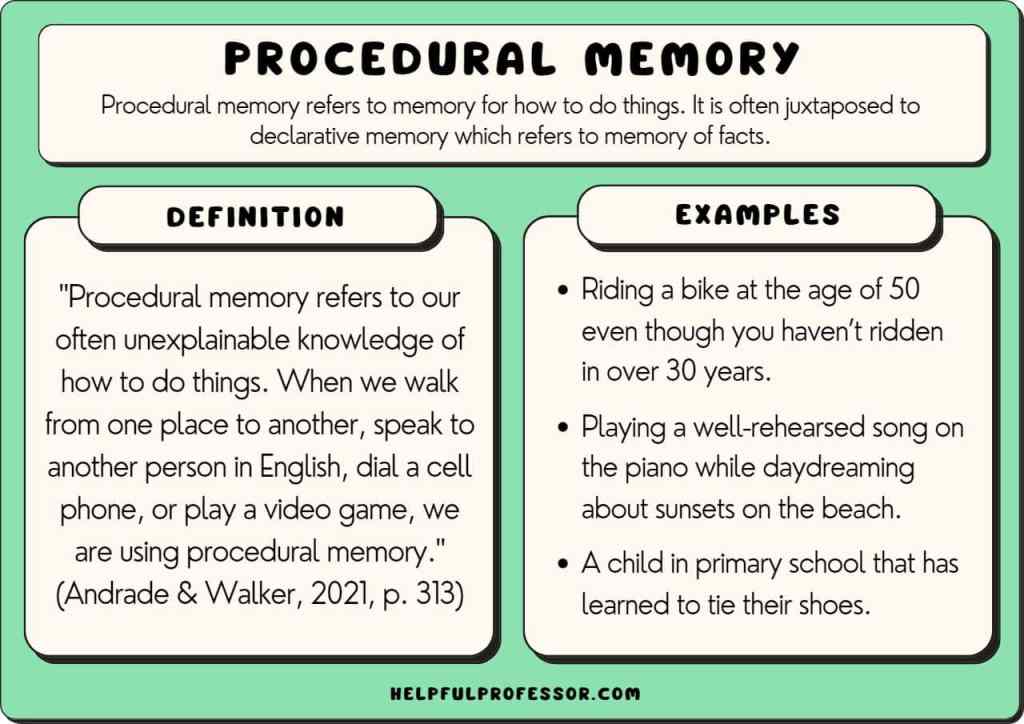
Procedural memory encodes “how to be,” not what happened. If a child repeatedly collapses emotionally to avoid conflict, collapse becomes procedural. The body rehearses shrinking. Later, similar cues automatically activate the same collapse response. Beliefs such as “I am powerless” are reinforced not by conscious choice, but because the body has practised that identity thousands of times (Levine, 1997, Waking The Tiger: Healing Trauma).
Breath As The Bridge
Breathing patterns reflect belief states. Chronic upper chest breathing correlates with vigilance. Restricted exhalation often correlates with control and bracing. Breath holding correlates with fear of expression. Beliefs about safety and self-expression alter respiratory rhythm, which in turn influences vagal tone. Breath becomes both reflection and intervention point (Porges, 2011, The Polyvagal Theory).
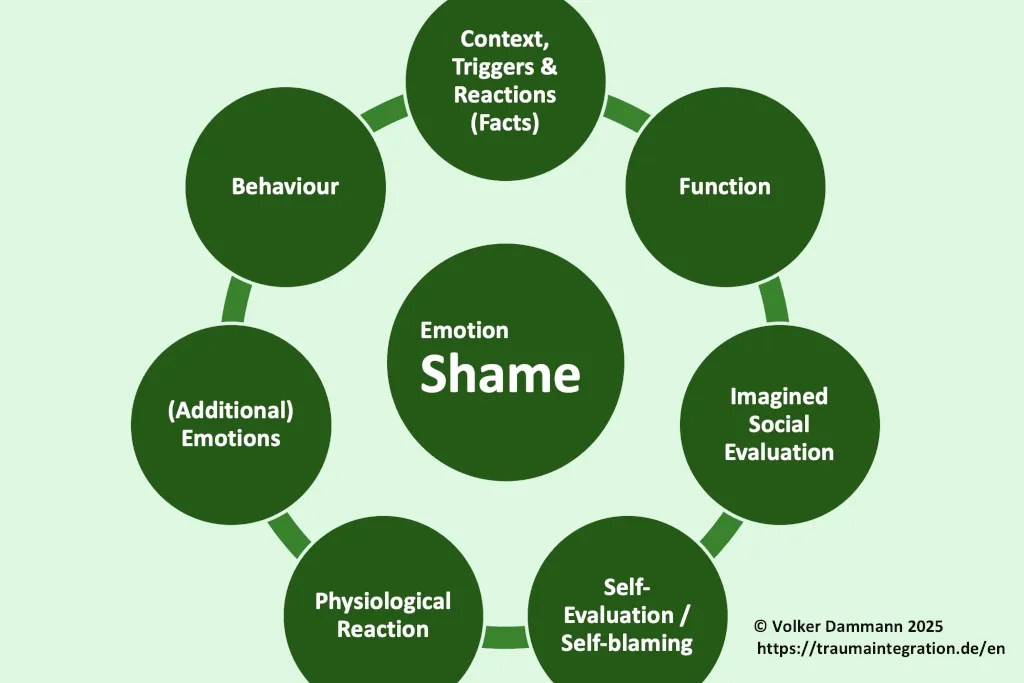
The Role Of Shame In The Body
Shame has a specific somatic signature: downward gaze, collapsed chest, reduced vocal tone, throat constriction, heat in the face. If core beliefs are shame-based, the body repeatedly enacts this posture. Over time, posture reinforces mood, and mood reinforces belief. Embodied shame can become baseline physiology (Jung, 1969, The Structure and Dynamics of the Psyche).
Motor Inhibition & Suppressed Action
When defensive responses are blocked, such as not being allowed to protest or leave, the body holds incomplete action patterns. Chronic tension develops, especially in flexor muscles and jaw. Beliefs such as “I cannot protect myself” are reinforced because the body never completed defensive action. Somatic practice such as what we apply within The Firefly Method® focus on allowing completion of these micro-motor responses to update belief (Van der Kolk, 2014, The Body Keeps the Score: Brain, Mind, and Body in the Healing of Trauma).
The Gut Brain Axis
The enteric nervous system communicates bidirectionally with the brain through the vagus nerve.

Chronic anxiety can alter gut motility and microbiome composition. Gut dysregulation amplifies anxiety. If relational unpredictability was chronic, digestive irregularities may follow. Belief about safety thus influences gut state, which feeds back into mood regulation. The gut becomes a somatic mirror of relational experience (Schore, 2003, Affect Dysregulation and Disorders of the Self).
The Firefly Method® & Psychosomatic Coherence
The Firefly Method® works at the intersection of psychodynamic insight, neurodynamic regulation, and somatic integration. Belief, nervous system state, and somatic pattern are inseparable. Psychodynamically, The Firefly Method® explores formative attachment experiences and unconscious complexes, bringing implicit relational meaning into awareness (Freud, 1915, The Unconscious; Jung, 1969, The Structure and Dynamics of the Psyche). Neurodynamically, it works with autonomic states, mapping how belief predicts threat and shapes ventral, sympathetic, or dorsal dominance (Porges, 2011, The Polyvagal Theory). Somatically, it engages muscular tension, fascial restriction, breath pattern, and interoceptive awareness to allow the body to complete defensive responses and update prediction.#
Rather than arguing with belief cognitively, The Firefly Method® creates embodied contradiction. A boundary is expressed while safety is maintained. Emotion is felt without collapse. Breath expands without rupture. The nervous system experiences coherence between internal truth and external connection. When physiology shifts, belief reorganises. Psychosomatic coherence occurs when unconscious relational meaning, autonomic state, and somatic pattern align with present safety rather than past threat.
Rewiring Through Embodied Safety
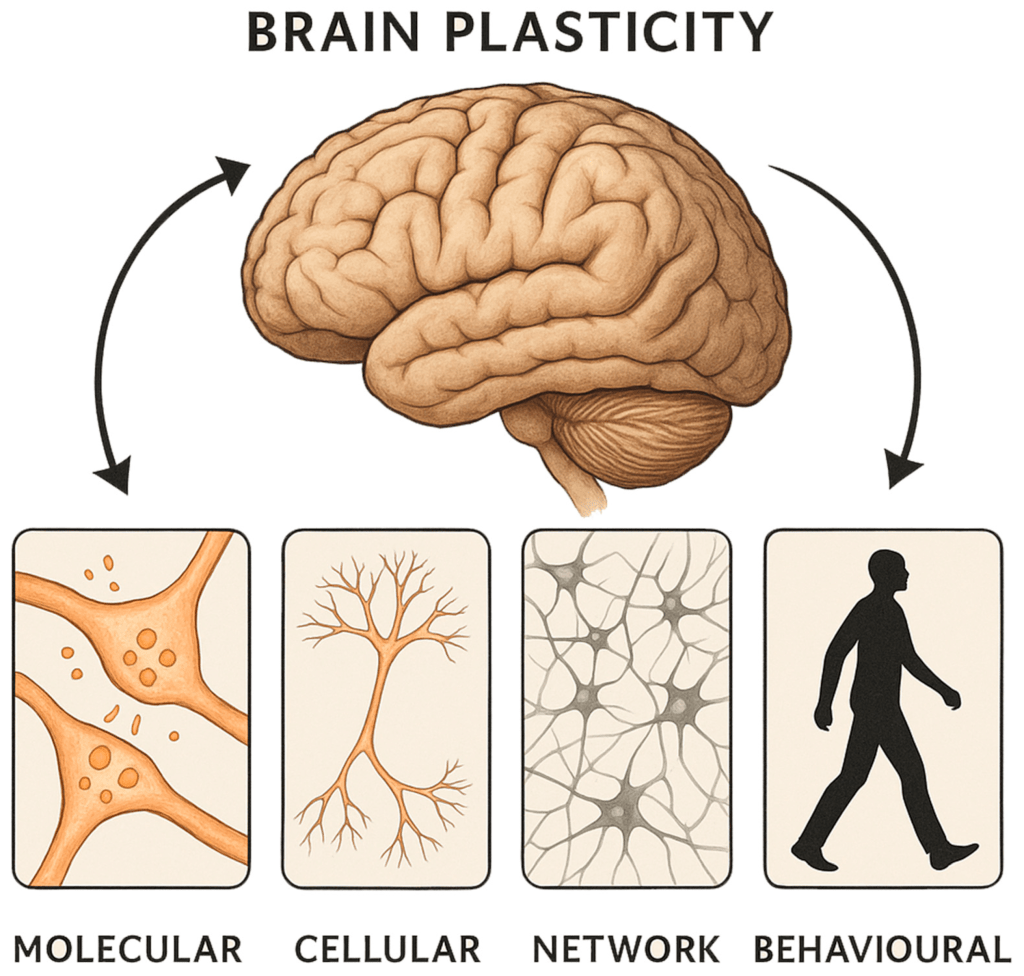
Insight alone rarely dissolves autonomic conditioning. Change requires lived experience that contradicts prediction. Neuroplasticity permits revision when safety is repeatedly embodied. Defensive motor responses complete, ventral vagal tone strengthens, fascial tension softens, breath deepens, immune tone stabilises, and hormonal rhythms regulate. Belief shifts when physiology shifts. The nervous system can organise around authenticity rather than survival.
The Story The Nervous System Has Been Living
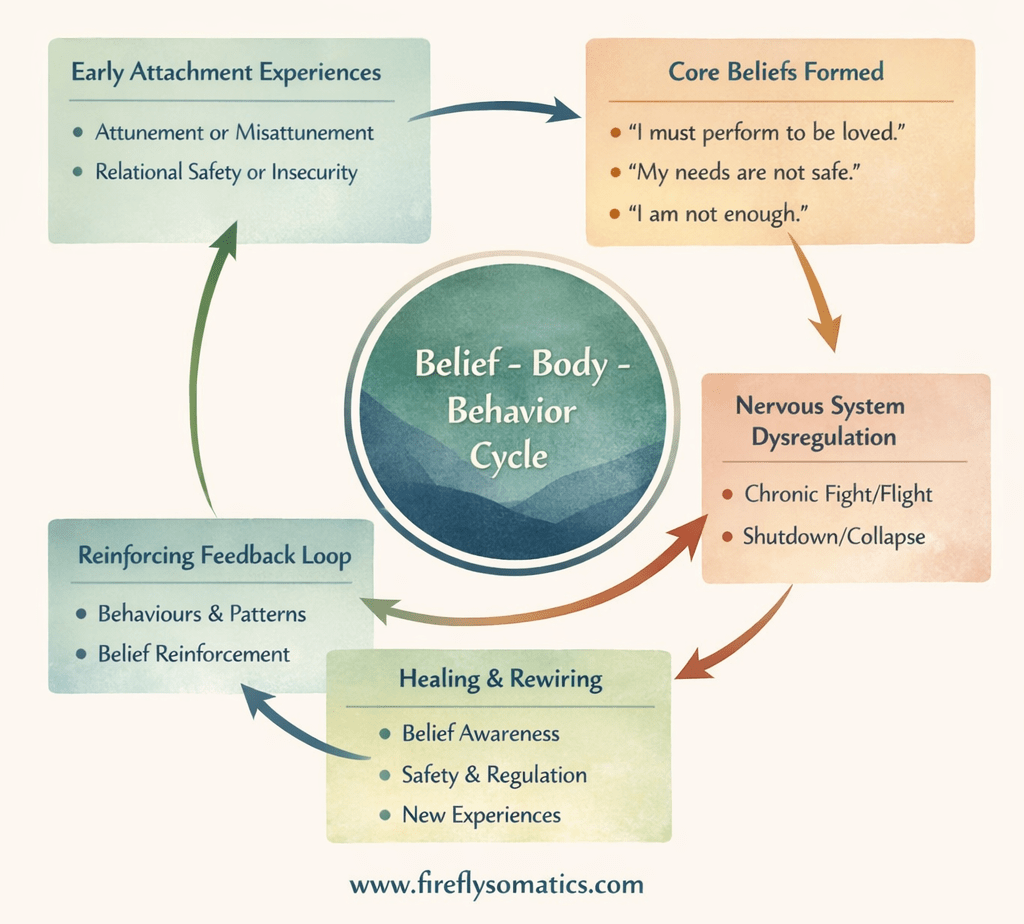
Every adaptation once made sense. The aim is not eradication but integration. The nervous system reflects what it once learned about love, safety, and belonging. Belief shapes prediction. Prediction shapes autonomic tone. Autonomic tone shapes muscle, fascia, hormone release, immune activity, breath, gut function, and gene expression. Those bodily states reinforce belief.
Yet…..
Safety can also inform belief. When safety becomes embodied, when unconscious relational meaning is integrated through the body, the psychosomatic loop can be rewoven. The nervous system can organise not solely around defence but around coherence, authenticity, and somatic alignment.
Bibliography
Freud, S. (1915). The Unconscious. London: Hogarth Press.
Freud, S. (1923). The Ego and the Id. London: Hogarth Press.
Jung, C. G. (1969). The Structure and Dynamics of the Psyche. Princeton, NJ: Princeton University Press.
Levine, P. (1997). Waking The Tiger: Healing Trauma. Berkeley, CA: North Atlantic Books.
Pert, C. (1997). Molecules of Emotion: The Science Behind Mind Body Medicine. New York: Scribner.
Porges, S. (2011). The Polyvagal Theory: Neurophysiological Foundations of Emotions, Attachment, Communication, and Self Regulation. New York: W. W. Norton & Company.
Sapolsky, R. (2004). Why Zebras Do Not Get Ulcers. New York: Henry Holt and Company.
Schore, A. N. (2003). Affect Dysregulation and Disorders of the Self. New York: W. W. Norton & Company.
Siegel, D. J. (1999). The Developing Mind: Toward a Neurobiology of Interpersonal Experience. New York: Guilford Press.
Van der Kolk, B. (2014). The Body Keeps the Score: Brain, Mind, and Body in the Healing of Trauma. New York: Viking.
 Firefly Somatics™
Leave a Reply