
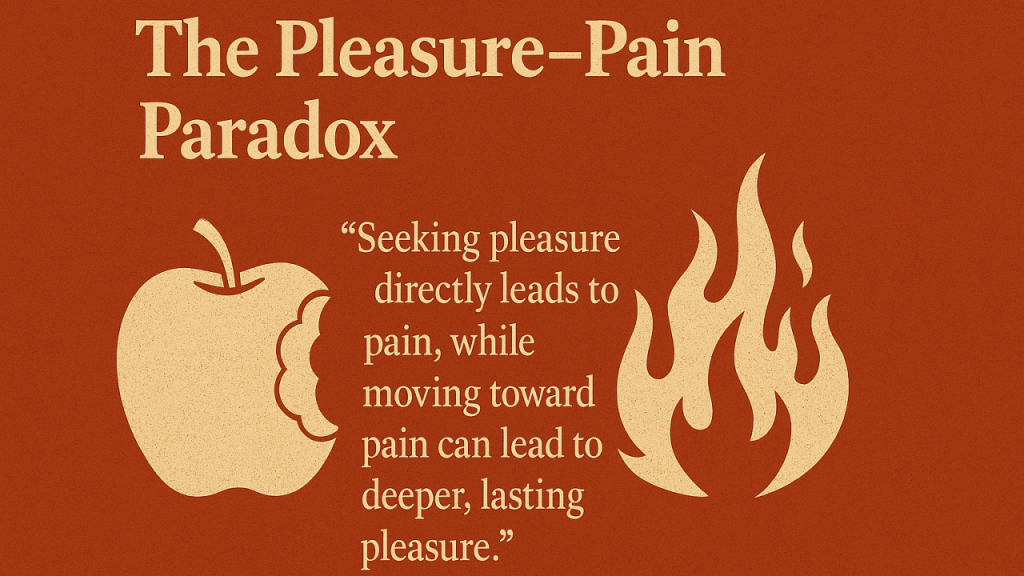
We often fault ourselves for repeating painful patterns in relationships, careers or behaviours. We might call it “self‑sabotage”, “bad luck”, or “I keep choosing the same toxic type”. But from a nervous‑system and brain‑based perspective, this repetition isn’t simply a failure of will‑power. Rather, it is deeply rooted in how your brain, body and nervous system have learned to interpret and respond to the world.
In this blog post we explore:
- how competitive or aversive behaviours are shaped by your nervous system attunement;
- how the brain is wired to perception (not objective reality), and how this is subjective to one’s background and trauma;
- why someone who has always experienced high levels of pain will unconsciously seek more pain because that is predominant in their neurobiology and brain chemistry;
- and conversely, why someone with a high pain‑threshold might continually seek pleasure as energetic release or self‑soothing.
- we then unpack key factors that determine our pain and pleasure perception: expectation, anxiety, sleep, circadian rhythm, autonomic state of arousal.
- Finally we offer pathways to shift the system and build new neural and somatic baselines of safety, regulation and aligned behaviour.
The Nervous System, Behaviour and Attunement
Your behaviour—especially competitive or aversive behaviour—is not simply a choice made in the moment. It is informed by your nervous system’s attunement.
What does that mean?
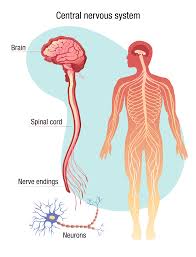
The nervous system (central and peripheral) is your body’s communication and regulation network. It monitors internal and external environments, registers threat and safety, responds to stimuli, and adapts over time. Huberman Lab+2Huberman Lab+2

When you grew up in an environment where conflict, unpredictability, pain, emotional intensity or neglect were present, your nervous system learns a map of what is “normal”. It learns how to respond, regulate (or fail to regulate), and how to modulate behaviour accordingly. If your early attunement had you constantly in a state of fight, flight, freeze or hyper‑arousal, your system becomes calibrated to that. That calibration shows up as patterns: you seek interactions that provide that familiar intensity; you might compete, you might avoid, you might lash out or shut down.
Behaviour as a survival strategy. In trauma‑informed neuroscience, behaviour is often an adaptive strategy your system developed to achieve regulation—even if it feels maladaptive now. In other words, what looks like self‑sabotage might once have been your nervous system’s attempt to survive. The system may still be operating based on old calibration as you move forward into new relationships or new life phases.
This is why the phrase “you’re repeating your past” resonates—because at a neurobiological level you are. Your nervous system, your brain chemistry, your somatic memory are all repeating what they know. To transform your outward behaviour, you must transform the nervous system baseline itself.
Brain Wiring, Perception and Subjectivity
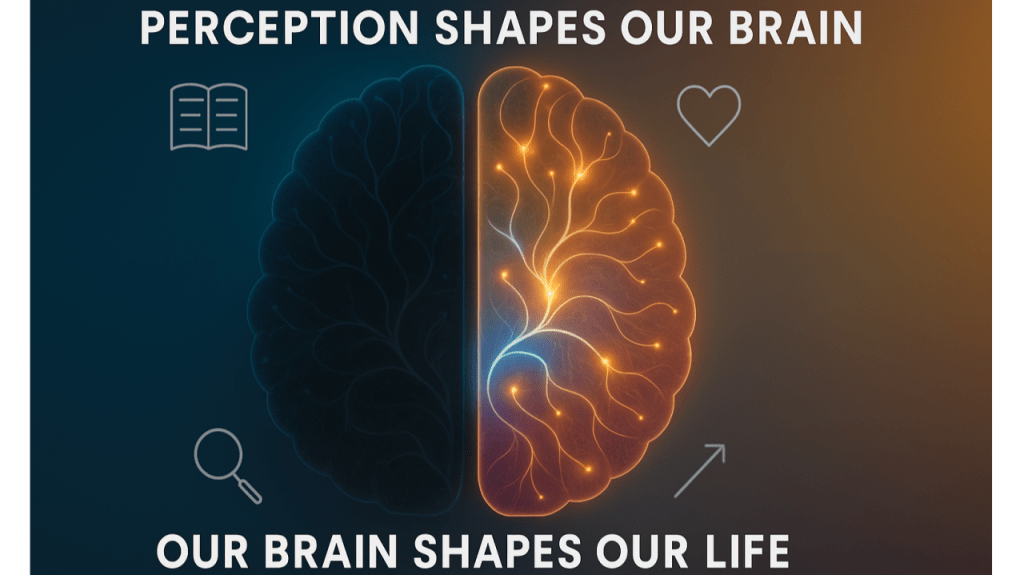
One of the most significant insights from modern neuroscience is that your brain does not process purely objective information—it interprets input through the lens of your experiences, your nervous system state, your expectations. Your brain is wired for perception, not necessarily truth.
In his episode “How to Control Your Sense of Pain & Pleasure”, Dr. Andrew Huberman explains the process of how sensory input from the skin travels to the brain, and how the brain interprets those signals based on both innate mechanisms and prior experience. Huberman Lab+1
Here are a few key points:
- The skin houses neurons (in the dorsal root ganglia, DRGs) with one branch reaching the skin and another reaching the spinal cord/brain. These neurons respond to mechanical stretch, temperature changes, chemical stimuli, etc. Huberman Lab+1
- All sensory neurons use the same electrical “language” (action potentials), yet the brain distinguishes whether the signal is from cold, pressure, heat or pain. This means the brain interprets the signal—meaning context, prior experience and expectation matter. Huberman Lab
- Pain and pleasure lie on a continuum. Huberman emphasises that the brain uses many of the same circuits for sensation whether the outcome feels aversive or appetitive. The difference often lies in interpretation, prediction, and nervous system state. Huberman Lab+1
What does this mean in everyday life? It means that how you experienced the world early on influences how you perceive situations now. A benign argument or conflict might register in your nervous system as threat because that was your baseline. A calm conversation might feel flat or dissatisfying because your system expects intensity. Pleasure might feel foreign because you never learned that blueprint. Pain might feel “normal” because that was the calibrated set‑point.
Thus perception is subjective—shaped by trauma, nervous system attunement, brain wiring and history—not objective. This subjectivity is the key to understanding repetitive behavioural patterns.
Why Someone Who Has Always Experienced High Pain Will Unconsciously Seek More
If one’s history is dominated by high levels of physical or emotional pain, the system learns that pain is the baseline. That means the nervous system, brain chemistry and somatic patterning are tuned to operate in a higher “pain‑intensity” mode. In such cases:
- The threshold for feeling pain may be lowered, or the system may require higher levels of stimulation to feel alive or responsive.
- Pain becomes familiar. Familiar equals predictable. The nervous system often prefers predictable—even if difficult—over unpredictable safety.
- Seeking out situations where pain is present (conflict, emotional roller‑coasters, high stakes, intense relationships) becomes an unconscious attempt to replicate the internal state it recognises.
Huberman outlines in his exploration of pain that expectation, circadian rhythms and autonomic arousal all modulate pain thresholds. Huberman Lab+1.
Let’s break this down further:
Neural calibration to pain:
When a system continuously experiences stress, pain or threat, there is neuroplastic adaptation. The brain and nervous system up‑regulate systems (norepinephrine, cortisol, sympathetic arousal) and the perception of “normal” moves higher. Over time, what used to feel intense becomes the baseline.
Behavioural reinforcement through re-enactment:
A person may be unconsciously drawn toward environments, relationships or behaviours that replicate that baseline because their nervous system is familiar with that level of activation. So although consciously they want calm, balance, ease, their somatic system says “this is home”.
The brain‑body loop:
What the brain interprets becomes what the body habituates to; what the body habituates to shapes how the brain interprets. It becomes a cyclic loop: higher arousal – more intense stimuli sought – nervous system stays in high activation – equilibrium at high intensity.
Attachment, trauma and patterning:
If early attachment or relational trauma taught you that safety only existed in intensity (because perhaps love was only shown when drama occurred), your system associates love, belonging and connection with emotional turbulence.

So, when calm and consistent are offered, the system may either undervalue it or even reject it, because it doesn’t “feel like love” according to your calibration. This is why someone with high pain experiences can unconsciously recreate pain: it is familiar, recognisable, and their nervous system expects it.
High Pain Threshold and the Drive for Pleasure
On the flip side, someone who has a high pain threshold—or who has experienced chronic stress and developed a resilience to pain—may lean toward seeking pleasure as a biological and somatic strategy for regulation and relief.
Here’s how:
High threshold means less sensitivity to lower‑level stimuli:
Because their system has been used to high activation or stress, lower intensity pleasure may not register as meaningful. They may seek higher “dose” pleasure to feel alive, to release accumulated energy, to soothe the nervous system.
Pleasure as release and regulation:
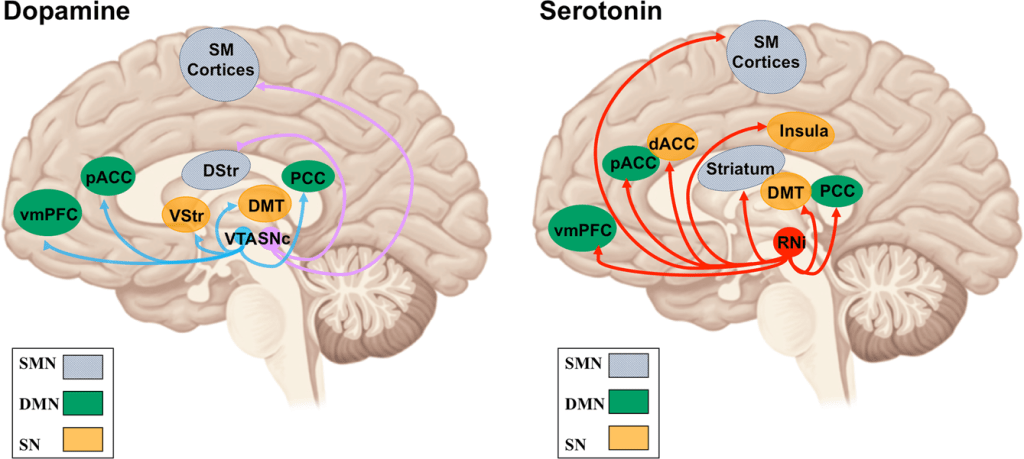
Pleasure‑seeking becomes an attempt to shift the system out of activation. Whether through food, thrill activities, substance, sex, relationships, work‑intensity, the nervous system is seeking energy discharge, reward, regulation. When pleasure is felt, dopamine surges, circuits of reward engage, and the system resets—temporarily.
Neurochemistry of pleasure:
Huberman highlights that pleasure is deeply tied to the dopamine and serotonin systems. He describes that these systems play roles in motivation, reward, reinforcement and behaviour. Huberman Lab+1 When someone with a high activation baseline engages in pleasure‑seeking, they may get the surge their system craves.
Behavioural risks:
Of course, this dynamic can lead into impulse, addiction, over‑compensation or seeking substances/experiences that provide intense sensation. The nervous system is nudging toward release; the brain is wired to seek reward; the body is seeking regulation. When underlying nervous system calibration is at play, the behaviour is not simply “bad choice” but coping strategy.
Factors That Determine Our Pain and Pleasure Perception
Here we break down key modulators of how we perceive pain and pleasure—aligning neuroscience with practical insight for your brand and clients.
1. Expectation
What you expect shapes what you perceive. Huberman references that when people are warned that pain is coming, the subjective experience changes dramatically depending on when and how long the warning is. Huberman Lab+1 If you expect high pain or threat, your nervous system primes for it. If you expect pleasure or relief, your brain signals readiness. This expectation influences activation of autonomic systems, heightening or lowering thresholds.
2. Anxiety
Anxiety increases sympathetic arousal (fight/flight), elevates cortisol, heightens pain sensitivity and often suppresses pleasure responsiveness. When the nervous system is already in a state of threat, stimuli that might otherwise feel moderate can feel overwhelming. In trauma‑informed somatic work, you’ll see how anxiety reduces the window of tolerance for pleasure and increases the window for aversive behaviours.
3. Sleep and Recovery
Poor sleep disrupts nervous system regulation, reduces threshold for pain, increases sensitivity to threat, and blunts reward response. Huberman emphasises that sleep is foundational to nervous system regulation and recovery. Podcast Notes+1 If your system is deprived, it will tend toward the familiar baseline (which for many may be higher activation, higher pain, or over‑seeking for relief).
4. Circadian Rhythm
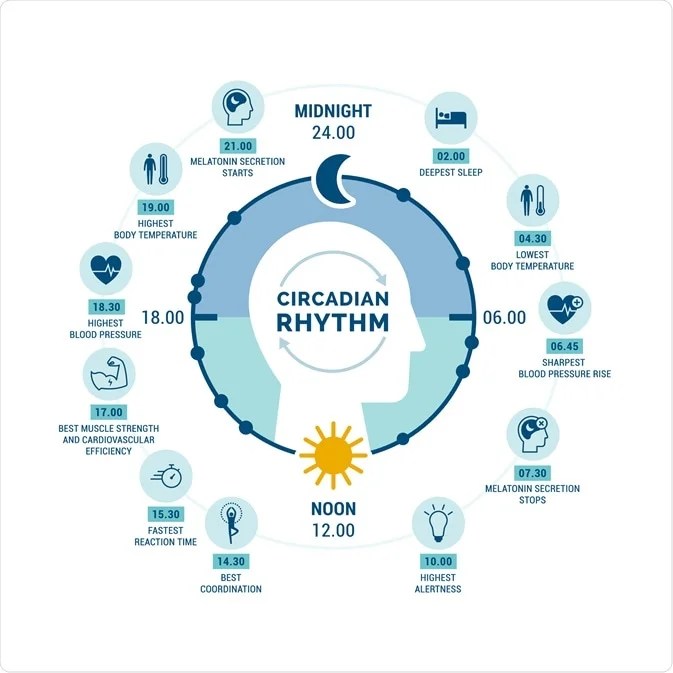
Our pain and pleasure thresholds fluctuate across the day and night. Huberman explains that in the hours between roughly 2 a.m. and 5 a.m., on a standard circadian schedule, pain thresholds are lower (meaning we feel pain more easily) and pleasure responses may be blunted. Huberman Lab Equally, daytime when we are alert, activated and regulated provides a wider window for pleasure and higher resilience to pain.
5. Autonomic State of Arousal
Probably the most powerful determinant. Whether your autonomic nervous system is in a state of safety (parasympathetic), moderate activation (ventral vagal/social engagement) or threat (sympathetic/fight/flight or dorsal shutdown) will heavily influence perception. When your system is in chronic fight/flight, your threshold for pain drops (you feel more pain) and you may struggle to experience pleasure. When you’re in regulated, safe states, you can tolerate more discomfort, derive more pleasure, and engage with life from a wider window of resilience.
Integrating These Understandings Into Behavioural Patterns
Now we bring this science into lived experience and explain how those patterns of behaviour (aversive or competitive behaviours, pleasure‑seeking or pain‑seeking cycles) emerge, and how to shift them.
1. Aversive/Competitive Behaviour: The Nervous System Baseline
People who express competitive or aversive behaviours (control, manipulation, high conflict, high achievement at the cost of rest) often are operating out of their nervous system baseline. Their baseline may be calibrated to high activation, high threat, high intensity. They may unconsciously:
- seek external challenge (competition) because internally they have seed‑wired high activation and require high input to feel alive;
- create conflict to feel something familiar;
- push themselves to extremes because moderate states feel bland or unsafe;
- engage in denial of rest or repair cycles because the system feels safer in activation than in downtime.
When someone has repeatedly experienced pain (emotional or physical), their nervous system may have “learned” that activation = survival. If calm or low‑activation state = vulnerability, the system avoids it. So competition and conflict can become habitual because they keep the system in its known territory.
2. Pleasure‑Seeking Behaviour: The Other Side of Regulation
Conversely, someone who has a high pain tolerance or has learned to suppress pain may lean into pleasure as regulation. Their baseline might be moderate to high activation, but rather than pain they move toward reward. The nervous system says: “I can tolerate high activation; now let me feel something good.” But what is “good” for a system calibrated high can be extreme. Hence behaviours like thrill‑seeking, intensity‑seeking, substance use, over‑training, overworking, over‑consumption. These may be attempts to discharge activation, to reset the system.
When you think about the nervous system as a thermostat, people with high pain or high activation may be living on a high set‑point. Pleasure is the release valve; pain is the familiar baseline. To shift out of these cycles, one needs to recalibrate the thermostat toward safety, regulation, moderate activation and expanded windows of feeling.
Why This Matters for Soul Connection and Evolutionary Relating
In the context as psychosomatic healing where we are bridging neuroscience, soul connection, mind‑body‑soul, this science offers powerful insight: the patterns we see in clients are not simply “bad habits” or “relationship failures”—they are nervous‑system maps asking to be rewritten.
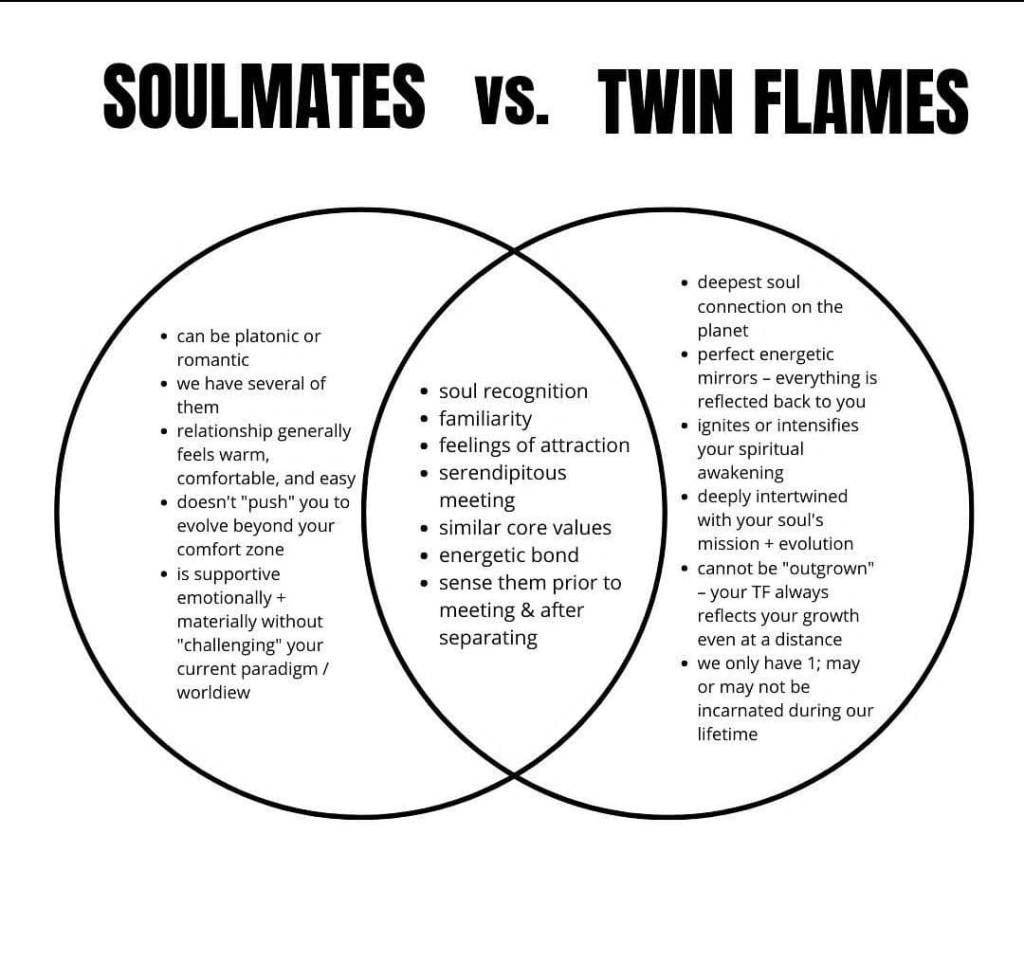
For example, when someone enters a relationship with depth and soul connection, the nervous system may not yet recognise calm, regulated intimacy as safe, simply because the system’s baseline is either high pain/activation or high pleasure‑seeking. Thus the deeper connection might feel foreign, unstable or even threatening, and the system may unconsciously revert to known patterns (pain, conflict, thrill).
By understanding this, we help clients to:
- recognise that what they seek might be somatic familiar, not necessarily soul‑safe;
- differentiate between what their nervous system knows and what their soul desires;
- build the capacity (via somatic practices, nervous‑system regulation) to hold higher states of safety, connection, and attuned relating;
- interrupt the compulsion to recreate old patterns by tuning the nervous system into new regulatory set‑points.
Pathways to Re‑Programming the Nervous System
Here are practical somatic/neuroscience‑informed strategies you can use to shift the baseline and develop new behaviour patterns
- Nervous system regulation practices
- Vagus Nerve Healing
- Neuroplasticity practise
- Breathwork (e.g., the physiological sigh) helps shift autonomic state. Huberman Lab
- Non‑Sleep Deep Rest (NSDR) protocols to enhance parasympathetic tone.
- Cold exposure or heat exposure (when appropriate) to recalibrate nervous system responsiveness.
- Movement, social engagement, safe relational attunement to rebuild ventral‑vagal regulation.
- Re‑writing the story of expectation and perception
- <ap the internal baseline: “What did high activation feel like?” “What did calm feel like?”
- Use somatic tracking: when calm connection emerges, note the sensation, let the nervous system register a new blueprint of safety.
- Use mindful noticing: notice when the system begins to drive toward familiar but harmful environment; pause; choose differently.
- Pacing and window of tolerance expansion
- Gradual exposure to new relational or somatic states that feel safe but not overwhelming.
- Expand your “window of tolerance” so that moderate activation states feel more familiar than high activation or shutdown.
- Use body‑mapping: record when pleasure versus pain arises, when the system shifts into old patterns.
- Behavioural experiments
- If someone tends to gravitate toward high conflict or high thrill, set small experiments that replicate low‑level approach: e.g., a calm conversation, a walk, a non‑drama challenge.
- If someone seeks pleasure via over‑consumption, set small boundaries and build alternate pleasurable but moderate experiences.
- In each experiment, check in somatically: what did the system feel? What new information is being wired?
- Recalibrating the internal baseline
- Over time the nervous system will begin to recognise safety, moderate activation, calm connection as familiar—because you are creating new repetition.
- The brain learns via repetition and reinforcement. When you repeatedly experience safe, regulated states, your baseline shifts. This is Neuroplasticity in action!
- Use visualisation, somatic attunement, relational presence to anchor the new baseline. Dr Huberman emphasises that visual input, expectation and autonomic state combine to modulate pain/pleasure perception. Huberman Lab+1
To Summarise:
- Behaviour is deeply shaped by nervous system attunement; what feels safe and familiar gets repeated.
- The brain is wired for perception, not objective reality; background, trauma and nervous system calibration shape how you feel pain and pleasure.
- If you’ve always experienced high pain, your nervous system may continue to seek high activation because it is familiar—even if consciously you want ease.
- If you have developed a high pain‑threshold, you may seek pleasure as regulation and release.
- Key factors influence your pain/pleasure perception: expectation, anxiety, sleep, circadian rhythm, autonomic arousal.
- Shifting your baseline requires somatic/neuroscience‑informed practices: breathwork, NSDR, movement, relational attunement, pacing, experiments and rewiring of expectation.
- In soul connection work, this means paying attention to what your nervous system knows vs what your soul desires; offering new relational blueprints of safety, calm and attunement; and holding the nervous system through rewiring.
In doing so, you shift not only behaviour but the very nervous‑system set‑point that underlies behaviour. This is the deeper work behind repeating loops of pain or chasing pleasure. This is what gives you freedom to choose differently, to create new futures grounded in nervous system safety, somatic attunement and soul‑connected evolution.
References
- Huberman, A. How to Control Your Sense of Pain & Pleasure. Huberman Lab, 9 August 2021.
- Huberman, A. How to Regulate Your Nervous System. Huberman Lab Topics.
- Podcast Notes. Control Pain & Heal Faster with Your Brain. Huberman Lab Essentials. 14 January 2025.
- “The Neuroscience of Pleasure: Hacking the Brain’s Reward System.” JH Wordsmith (Medium). 2023.


Leave a Reply